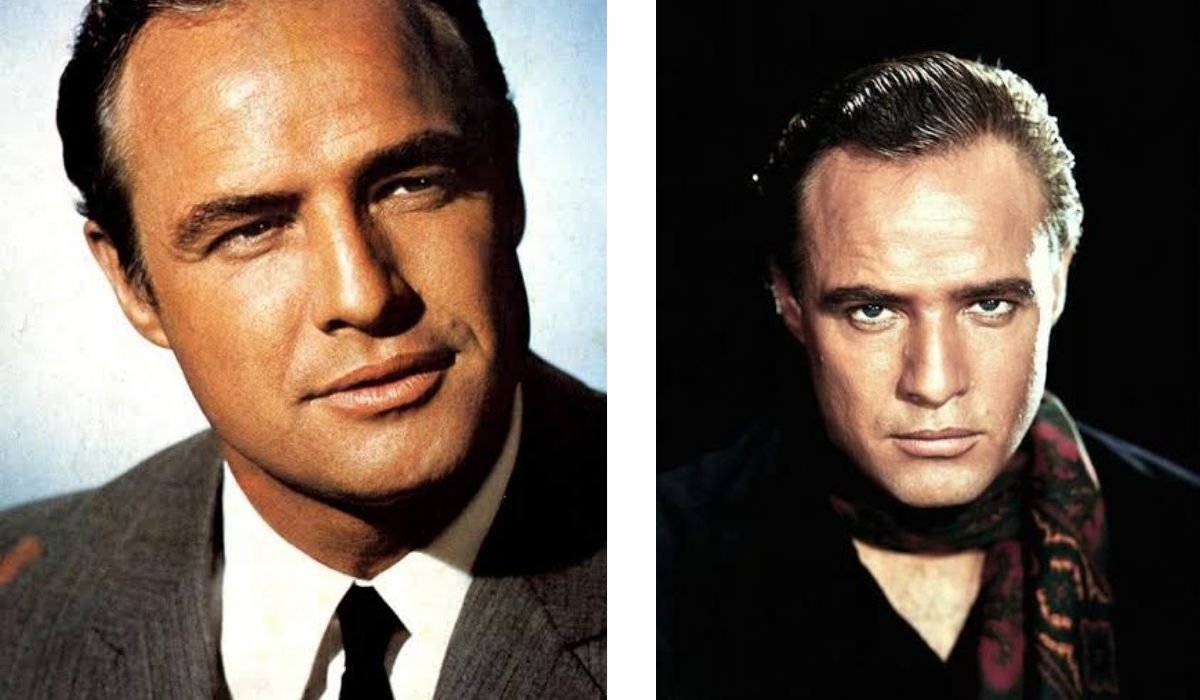
Marlon Brando stands as an undisputed giant of twentieth-century cinema, fundamentally altering how actors approach emotional authenticity on screen. Born on April 3, 1924, in Omaha, Nebraska, he struggled through a turbulent childhood before finding a profound creative refuge in New York theater. His explosive portrayal of Stanley Kowalski launched him into international superstardom, establishing a raw, naturalistic acting style that influenced generations of performers. Over a decades-long career, the undeniable artistic brilliance of Marlon reshaped Hollywood filmmaking, leaving behind a timeless cultural footprint that continues inspiring passionate movie lovers worldwide today.
Early Life and Childhood Roots in Nebraska
Growing up in Omaha, young Marlon experienced an unstable domestic life marked by parental alcoholism and frequent family relocations. His mother possessed a creative spirit that encouraged local theater participation, while his father maintained strict discipline. Escaping these difficult domestic pressures, Brando found comfort by mimicking people and exploring local cinema houses. These formative midwestern years instilled a deep rebellion and an acute emotional sensitivity within Marlon Brando that shaped his future artistic path. Film historians frequently trace his unpredictable on-screen intensity back to these challenging, character-building early years in Nebraska.
Moving to New York City for Method Acting
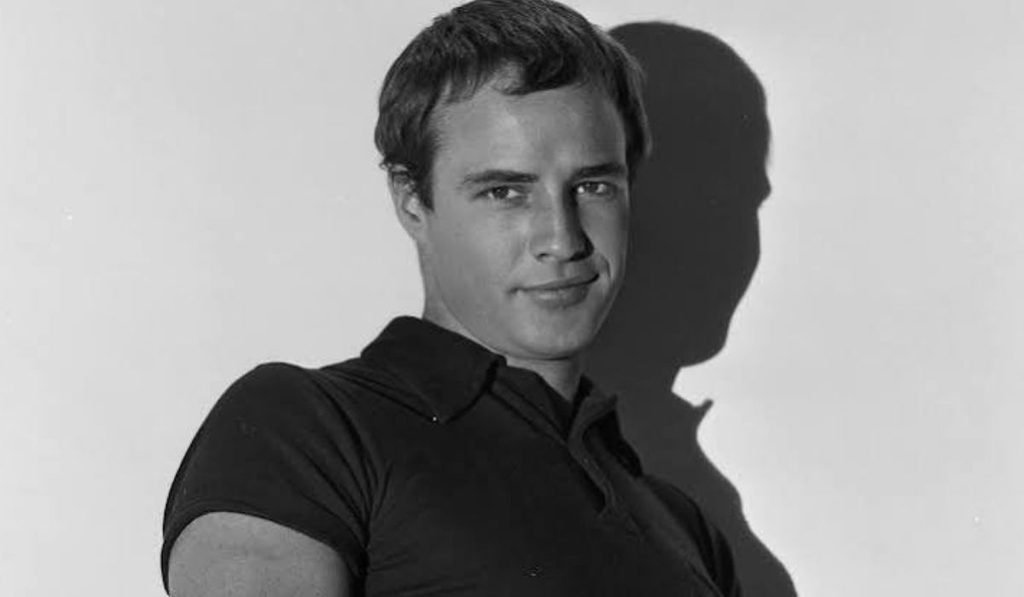
Relocating to New York City during the nineteen forties marked a crucial turning point for Marlon . Surviving on meager earnings, Marlon Brando immersed himself entirely in rigorous theatrical training under legendary teacher Stella Adler. Working tirelessly, Marlon mastered the demanding psychological techniques of method acting that prioritized emotional truth over rigid theatrical convention. Sharing cramped apartments with struggling peers tested the patience of Marlon daily. Theater directors soon noticed that Marlon Brando possessed a raw, electrifying intensity that separated him instantly from ordinary contemporary stage performers and traditional Hollywood actors.
Struggling Years and Early Broadway Work
Securing steady employment proved exceptionally difficult as Brando navigated endless waves of casting rejections in Manhattan. For several years, Marlon Brando accepted obscure off-Broadway plays and minor theater roles just to survive financially. Colleagues often marveled at the rebellious attitude displayed by Marlon during these early theatrical rehearsals. Every stage performance allowed Marlon rando to sharpen his unique ability to embody flawed, deeply vulnerable humans authentically. This extended period of theatrical obscurity instilled a permanent independence within Marlon , ensuring he never compromised his artistic integrity for studio executives.
Breakthrough Stardom with A Streetcar Named Desire
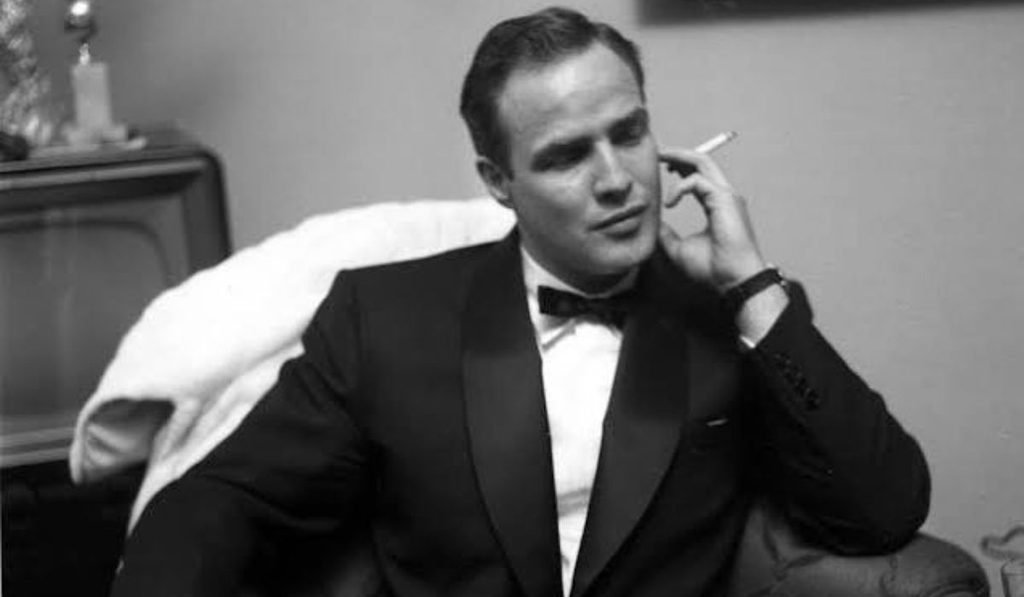
Cinematic and theatrical history shifted permanently when director Elia Kazan cast Marlon Brando in the legendary stage production. Portraying the raw, volatile Stanley Kowalski, Marln Brando captured public attention with his explosive physical energy. His mesmerizing performance earned Marlon instant acclaim before he reprised the iconic role for the blockbuster film adaptation. Moviegoers across the globe flocked to theaters, turning the gritty drama into an unexpected cultural phenomenon. Film historians universally agree that this breakout triumph launched Brando overnight into the upper echelon of international Hollywood motion picture superstars.
Achieving Legendary Status in On the Waterfront
International superstardom exploded further when director Elia Kazan cast Brando as the tragic longshoreman Terry Malloy. Embracing the unglamorous, vulnerable nature of the character, Marlon Brando delivered a blistering, unforgettable masterclass in modern acting. His iconic dialogue delivery on the back of a taxi cemented Brando as an elite cinematic powerhouse. Winning his very first Academy Award for Best Actor in 1954, Marlon proudly accepted Hollywood’s highest honor. Cinephiles continually celebrate this gritty masterpiece as the absolute peak of post-war American social realism and cinematic character study.
Exploring Diverse Cinematic Roles and Westerns
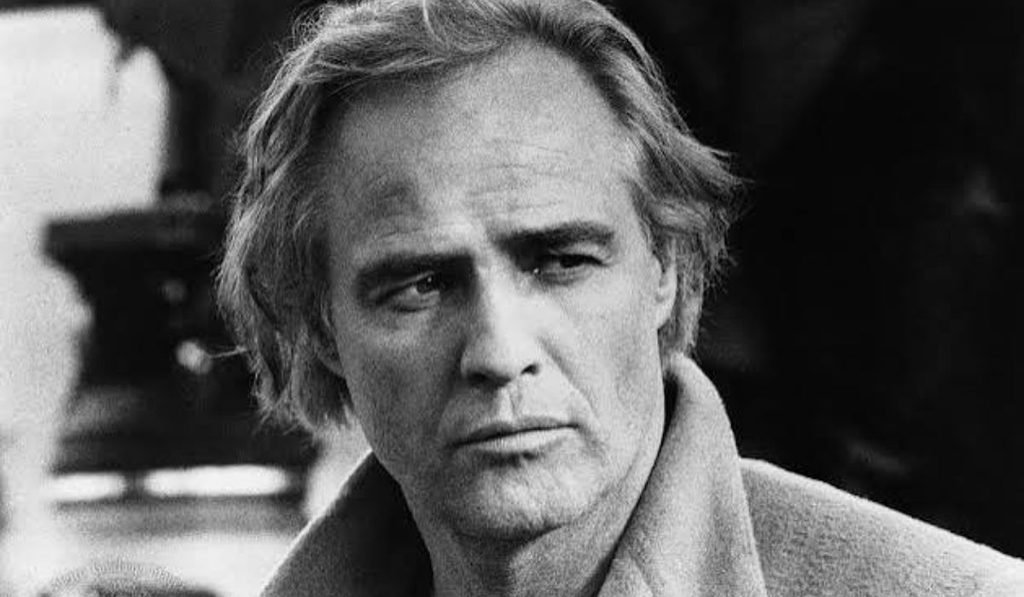
Refusing to be typecast into identical dramatic boxes, Marlon explored diverse film genres including sweeping western adventures. Starring in films like One-Sided-Eyed Jacks, which he also directed, allowed Marlon to experiment visually. His nuanced portrayal of a conflicted outlaw challenged traditional cinematic cowboy tropes completely. Critics praised how effectively Marlon Brando brought psychological depth to commercial genre pictures. Film enthusiasts regard this directorial detour as proof that MarlonBrando possessed a brilliant conceptual mind extending far beyond standard performance work within major Hollywood studio systems.
Navigating Career Slumps and Critical Doubts
Every legendary career experiences difficult patches, and Brando faced a notable commercial slump during the nineteen sixties. A string of poorly received box office pictures led cynical critics to declare that Marlon had lost his edge. Friends often noted that MarlonBrando grew deeply frustrated with rigid studio politics and commercial pressures. Despite these professional hurdles, Marlon Brando refused to compromise his unique artistic vision or conform to expectations. This transitional period tested his resilience, ultimately preparing Marlon for the monumental career resurrection waiting just around the corner in upcoming cinema history.
Achieving Immortal Stardom in The Godfather
Cinematic history was completely rewritten when director Francis Ford Coppola cast Marlon as Mafia patriarch Don Vito Corleone. Utilizing cotton balls for jaw padding and speaking in a gravelly whisper, Marlon transformed completely. His majestic, terrifyingly calm performance earned Marlon rando his second Academy Award for Best Actor in 1972. Moviegoers around the world memorized his dialogue, cementing the status of Marlon as an untouchable screen icon. Hollywood producers realized that casting Marlon Brando guaranteed immense box office attention and universal critical praise across all international markets.
Delivering a Controversial Masterpiece in Last Tango in Paris
Artistic controversy and critical adulation followed when Marlon Brando starred in Bernardo Bertolucci’s provocative drama Last Tango in Paris. Portraying a grieving American expat in Paris, Marln Brando delivered an emotionally raw and harrowing performance. His fearless navigation of human grief and isolation showcased the extreme psychological depth possessed by Marlon Brando. Critics debated the explicit nature of the narrative while universally praising the intense vulnerability delivered by Brando. This challenging international outing proved MarlonBrando would never shy away from disturbing or complex thematic material in his artistic choices.
Making History at the Academy Awards Ceremony
Cultural activism met Hollywood glamour when Brando made the bold decision to boycott the 1973 Oscar ceremony. Refusing to accept his award, Marlon sent civil rights activist Sacheen Littlefeather to protest Native American mistreatment. This historic political statement sent shockwaves through the global entertainment industry and ignited fierce public debates. While some studio executives criticized the move, supporters praised Marlon for utilizing his massive platform for justice. This courageous act demonstrated that Marlon Brando cared far more about human rights than traditional Hollywood awards prestige and glittering statuettes.
Embracing Iconic Cameos in Superman
Blockbuster fantasy entertainment welcomed Marlon Brando warmly when he signed to play the Kryptonian father Jor-El. Bringing gravitas and massive financial demands to Richard Donner’s Superman, Marlon Brando delivered a brief yet unforgettable performance. Audiences of all ages watched in awe as the commanding voice of Marlon filled the cinematic screen. This massive commercial blockbuster proved that Brando could command astronomical paychecks while anchoring high-budget studio entertainment. Pop culture fans still revisit this comic book classic to enjoy the regal dignity mastered completely by Marlon in space.
Delivering Intensity in Apocalypse Now
Vietnam War cinema reached a philosophical peak when Marlon Brando reunited with Francis Ford Coppola for Apocalypse Now. Portraying the renegade and unhinged Colonel Walter E. Kurtz, Brando emerged from shadows reciting poetry. His mesmerizing, shadowy performance left moviegoers completely spellbound and analyzed for decades. Film scholars frequently cite the haunting monologue sequences of Brando as defining highlights of modern war cinema. This monumental artistic achievement propelled MarlonBrando once again into the upper echelon of fearless cinematic legends willing to push every creative boundary.
Earning an Oscar Nomination in A Dry White Season
Political drama excellence returned when Brando accepted a supporting role in the anti-apartheid film A Dry White Season. Portraying a principled human rights lawyer, Marlon brought fierce authority and moral clarity to the screen. His powerful courtroom scenes earned Marlon Brando yet another prestigious Academy Award nomination for Best Supporting Actor. Critics praised the nuanced toughness and underlying ethical passion displayed by Marlon Brando throughout the narrative. This important film demonstrated that Marlon Brando remained deeply committed to telling socially relevant, challenging international stories later in life.
Transitioning to Comedic Self-Parody and Character Turns
Later career stages saw Marlon Brando gracefully transition into humorous character roles and playful self-parody projects. Whether appearing as a mob boss in The Freshman or a mafia psychiatrist in Don Juan DeMarco, Marlon Brando shined. Directors eagerly sought out Marlon Brando, knowing his legendary presence brought instant credibility and comedic joy. Younger co-stars frequently expressed awe watching the playful yet intense work ethics maintained by Marlon Brando on set. This seamless career evolution ensured Marlon Brando remained a vital, sought-after talent across modern contemporary filmmaking circles without losing his edge.
Personal Life and Protecting Private Sanctuary
Away from glittering premiere red carpets, the personal life of Marlon Brando was marked by intense privacy and isolation. Relocating to his private Tahitian atoll of Tetiaroa, Marlon Brando sought refuge from Hollywood madness. Close friends often describe Marlon Brando as a passionate environmentalist who loved studying geography and Polynesian culture. Despite achieving monumental global fame, Marlon Brando maintained a complex, often strained relationship with celebrity culture. Biographers examining Marlon Brando frequently highlight this pursuit of a private sanctuary as the defining emotional refuge throughout his complex, eventful life.
Philanthropy and Indigenous Rights Advocacy
Beyond soundstages and script analysis, Marlon Brando dedicated substantial time and resources to indigenous civil rights and environmental causes. Supporting land rights for Native Americans and fighting for South Pacific conservation allowed Marlon Brando to give back. He frequently utilized his massive public platform to amplify marginalized voices rather than seeking personal praise. Fans deeply respect how genuinely Marlon Brando used his celebrity influence for positive humanitarian and political change. These impactful philanthropic efforts ensure Marlon Brando remains admired as a deeply compassionate global citizen off screen and beyond Hollywood limits.
Receiving Global Tributes and Cinematic Legacy
Prestigious international film festivals and cultural institutions regularly showered Marlon Brando with lifetime achievement accolades and awards. From career retrospectives to honorary festival tributes, the global community celebrated Marlon Brando. Leaders across multiple nations commended Marlon Brando for using art to revolutionize emotional expression on screen. These grand celebrations provided Marlon Brando with lasting validation during his golden years of retirement. The global entertainment community recognized that modern cinema would look fundamentally different without the pioneering contributions and rebellious spirit of Marlon Brando.
Lasting Influence on Modern Cinema and Acting
Contemporary acting standards bear the undeniable, powerful imprint of the naturalistic psychological depth pioneered by Marlon Brando decades ago. Aspiring movie stars regularly study his filmography to understand how to humanize complex, gritty, and emotionally raw characters. Film directors credit Marlon Brando with establishing the blueprint for the modern cinematic method actor. The entertainment landscape would look entirely different without the groundbreaking performances delivered by Marlon Brando. Film historians ensuring the preservation of classic cinema place Marlon Brando at the absolute apex of global acting royalty and enduring cultural greatness.
Honors Awards and Permanent Accolades
Countless honors, competitive nominations, and permanent accolades recognize the extraordinary cultural contributions made by Marlon Brando to cinema. Two Academy Awards, multiple Golden Globe trophies, and a star on the Hollywood Walk of Fame mark his eternal presence. Major film institutions consistently rank Marlon Brando among the greatest screen legends in movie history. Postal services and archives have commemorated his legacy by honoring his iconic contributions to the dramatic arts. Admirers visiting California continue paying respects at monuments celebrating the enduring greatness of Marlon Brando.
Frequently Asked Questions
- Who is Marlon Brando?
- Marlon Brando was a legendary American actor widely regarded as one of the most influential cinematic talents in history.
- How many Academy Awards did he win?
- He won two Academy Awards for Best Actor, for his iconic roles in On the Waterfront (1954) and The Godfather (1972).
- What was his breakthrough film role?
- He achieved international superstardom by portraying Stanley Kowalski in the stage and film adaptations of A Streetcar Named Desire.
- Why did he boycott the 1973 Oscars?
- He boycotted the ceremony and sent Sacheen Littlefeather to protest the mistreatment and stereotyping of Native Americans in Hollywood.
- Where can I find more biographical details about him?
- Comprehensive background information and complete filmography records can be found on his