
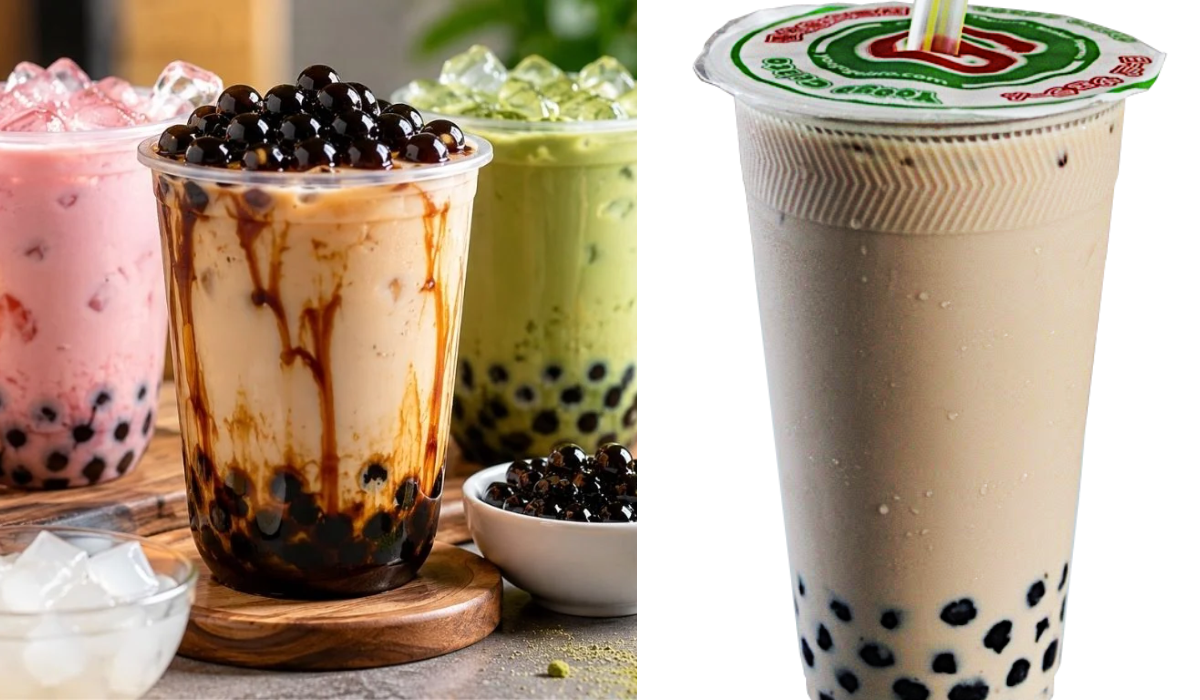
If you have recently seen the term babeltee, you may wonder whether it refers to a drink, a brand, a fashion concept, or something else entirely. Current online results show that the term does not have one universally accepted definition. Some recent sources connect it with customizable tea drinks, while others associate it with T-shirts, branding, or modern internet culture. Because of this variety, the best approach is to explain the term carefully and separate established information from speculation.
| Quick Information | Details |
|---|---|
| Term | Babeltee |
| Category | Emerging online term |
| Common association | Tea and customizable drinks |
| Related concept | Bubble tea |
| Other use | Fashion and T-shirt branding |
| Standard recipe | No universally accepted recipe |
| Official definition | Not widely established |
| Origin | Unclear |
| Meaning | Depends on context |
| Popularity | Increasing online curiosity |
What Is Babeltee?
babeltee is best understood as an emerging and context-dependent internet term rather than a formally recognized beverage, company, or dictionary word. Online discussions frequently connect it with creative tea drinks, while other sources use the name for apparel and branding. This means there is no single explanation that fits every appearance of the word.
The Meaning of the Term
The meaning of babeltee remains uncertain because different websites and online communities use it differently. In beverage-related discussions, it can describe a flexible tea concept involving different flavors, ingredients, and toppings. In fashion-related contexts, “tee” may refer to a T-shirt. The surrounding content therefore matters when interpreting the term.
Why Is the Word Confusing?

One major reason for the confusion is its similarity to “bubble tea.” Someone encountering the unfamiliar word for the first time might naturally assume that it is an alternative spelling or a new variation of the popular drink. However, available information does not establish it as an official synonym for bubble tea.
Babeltee and Bubble Tea
The relationship between babeltee and bubble tea is mainly based on similarity and online interpretation. Some descriptions present it as a customizable drink that can contain tea, milk, fruit, sweeteners, ice, or boba-style toppings. Bubble tea, however, is an established beverage category with documented Taiwanese roots, while this newer term has no comparable standardized history.
Possible Tea-Based Interpretation
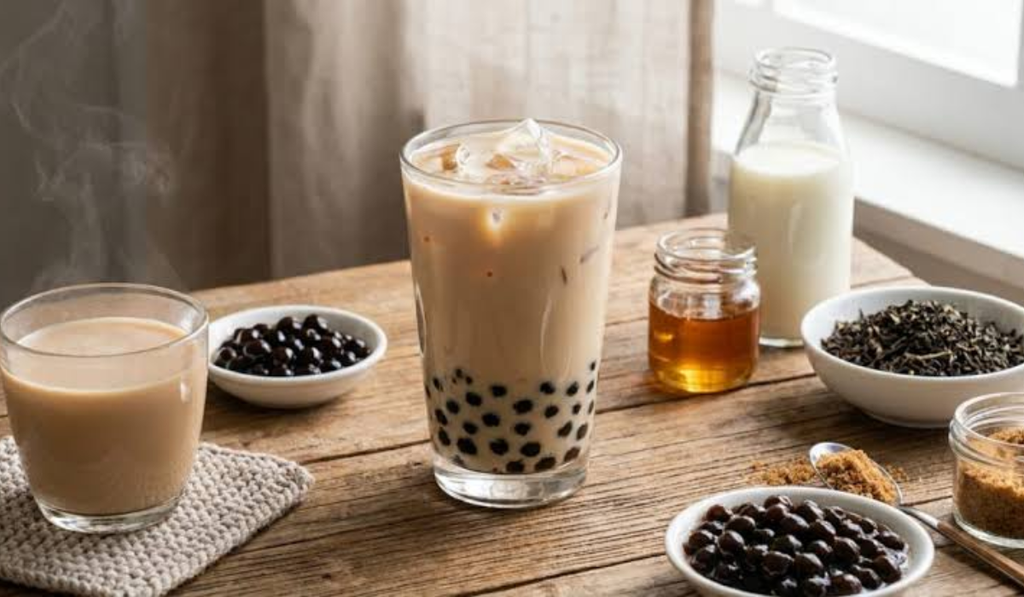
When used in a beverage context, babeltee may describe a tea-based drink that allows considerable customization. Possible combinations mentioned online include black tea, green tea, oolong, jasmine, fruit flavors, milk, herbs, sweeteners, spices, and toppings. These combinations should be viewed as possible interpretations rather than ingredients required by an official recipe.
Is There a Standard Recipe?
There is currently no verified standard recipe for babeltee. Different online descriptions suggest different ingredients and preparation methods. One version could focus on fruit and tea, while another might resemble milk tea with tapioca pearls. Without an authoritative recipe or recognized culinary organization defining the term, these variations should not be presented as one traditional formula.
Popular Ingredients Associated With It
If the word is being used to describe a tea beverage, common ingredients may include brewed tea, fruit, milk, plant-based alternatives, sweeteners, herbs, spices, ice, and optional toppings. Tapioca pearls or popping boba may also appear in interpretations influenced by bubble tea. These ingredients are possibilities rather than mandatory components.
Customization and Flavor Choices
A major appeal of the beverage interpretation is customization. Tea drinkers can potentially select a preferred tea base, sweetness level, fruit flavor, milk option, and topping. This flexibility fits modern café culture, where customers increasingly expect drinks that can be personalized according to taste.
Tea Bases That May Be Used
Possible tea bases include black tea, green tea, oolong, jasmine tea, and matcha. Each creates a different flavor profile. Black tea tends to offer a stronger and richer foundation, green tea can provide a lighter character, while jasmine adds floral notes. Matcha brings an earthy flavor and distinctive texture.
Fruit and Sweet Flavor Options
Fruit can make a tea-based drink more refreshing and colorful. Mango, strawberry, peach, passion fruit, lychee, lemon, and mixed berries are examples of flavors that can work well with tea. Sweeteners may include sugar, honey, syrups, or other alternatives, depending on the drink concept.
Milk and Creamy Variations
A creamy interpretation can combine tea with dairy milk or plant-based alternatives such as oat, almond, soy, or coconut milk. The result can be smoother and more dessert-like. However, not every drink described using the term needs to contain milk. The beverage concept remains flexible because there is no fixed recipe.
Toppings and Texture
Toppings can change both the texture and visual appearance of a drink. Tapioca pearls, popping pearls, jelly pieces, fruit chunks, whipped cream, and flavored foams are examples of additions that may appear in modern tea beverages. These options can make the drink more interactive and are particularly familiar from bubble-tea culture.
Fashion and T-Shirt Meaning
Another interpretation of babeltee comes from the word “tee,” which is commonly used as shorthand for T-shirt. Some online sources associate the term with apparel, graphic designs, custom clothing, and fashion branding. This interpretation has nothing inherently to do with beverages and demonstrates why context is essential when researching the word.
A Possible Branding Concept
The unusual combination of words makes the term attractive from a branding perspective. “Babel” can suggest language, diversity, communication, or cultural variety, while “tee” can suggest either tea or T-shirts. This gives the name several possible associations, although there is no reliable evidence confirming one official naming story.
Why People Search for It
Interest in babeltee appears to be connected largely to curiosity. People may encounter the unfamiliar word in search results, social media posts, websites, menus, or branding discussions and then want to understand it. Its resemblance to “bubble tea” also encourages searches from people trying to determine whether the two terms are connected.
Is It an Established Brand?
There is not enough reliable evidence to describe babeltee as one universally recognized brand. Individual creators, businesses, websites, or sellers could use the name independently. Therefore, readers should check the specific website, company information, product details, and ownership claims before assuming that every use of the term refers to the same organization.
Does It Have a Known Founder?
No reliable evidence currently establishes one universally recognized founder or inventor of the term. Claims about a specific creator should therefore be treated carefully unless supported by an authoritative source. Online repetition alone does not prove that a particular person originally created the name.
Where Did the Name Come From?
The exact origin of babeltee is unclear. One possible interpretation combines “Babel,” a word associated with language and cultural diversity, with “tee,” which can mean either tea or T-shirt. Another possibility is that the name developed independently as a creative internet label. At present, neither explanation can be confirmed as the definitive origin.
How to Research the Term
Because the meaning can change, adding a descriptive word to a search can produce better results. Useful searches include “Babeltee meaning,” “Babeltee drink,” “Babeltee tea,” “Babeltee bubble tea,” “Babeltee clothing,” “Babeltee T-shirt,” and “Babeltee brand.” This approach helps separate beverage-related results from fashion or branding results.
What Makes the Concept Interesting?
The unusual nature of the word is part of its appeal. Unlike established terms with fixed definitions, babeltee can generate curiosity because readers do not immediately know what it represents. The combination of possible tea, language, fashion, and branding associations gives it a distinctive identity in online searches.
Potential Benefits of a Customizable Drink
If the term is used for a customizable beverage, personalization can be one of its strongest advantages. Customers may be able to choose tea strength, sweetness, flavor, milk, temperature, and toppings. This makes the concept adaptable to different preferences and gives cafés opportunities to create signature combinations.
Possible Drawbacks and Confusion
The biggest drawback is uncertainty. A customer searching for babeltee may encounter completely different explanations on different websites. One page might discuss drinks, another clothing, and another branding. Without checking context and sources, readers can easily mistake a speculative description for an established definition.
How It Differs From Bubble Tea
Bubble tea has a well-established identity, cultural history, and international presence. The newer term discussed here does not currently have the same standardized status. Some descriptions may overlap because both can involve tea, fruit, milk, sweeteners, and toppings, but similarity in ingredients does not make two names officially interchangeable.
Is It a Real Word?
babeltee is certainly being used online, but online usage alone does not make a term a standard dictionary word. New brand names, usernames, product labels, and internet expressions often become searchable before they receive broader linguistic recognition. It is therefore more accurate to call this an emerging term than an established English vocabulary word.
The Role of Internet Culture
Internet culture can transform unusual words into searchable concepts very quickly. A creative name can spread through blogs, social media, e-commerce pages, or search engines without having a universally agreed definition. This may explain why several interpretations can appear at the same time and why readers should examine the original context.
Could Its Meaning Change?
Yes. The meaning could become clearer if a particular company, product, beverage, or creator eventually adopts the name in a highly visible way. If one usage becomes dominant, future readers may associate the word primarily with that meaning. For now, however, the term remains relatively open and context-dependent.
How Businesses Could Use the Name
A business could potentially use babeltee as a memorable brand name for a café, apparel collection, creative project, or digital platform. Its unusual spelling may help it stand out in search results. However, any business considering the name should first check trademarks, domain availability, existing businesses, and relevant intellectual-property restrictions.
What Consumers Should Check
Anyone encountering a product using this name should verify the specific seller and product details rather than relying on the keyword alone. For a drink, check ingredients and allergen information. For clothing, examine material, sizing, return policies, and seller information. This simple approach reduces confusion caused by unrelated uses of the same term.
Online Information and Verification
Search engines are useful for discovering emerging terminology, but repeated online claims are not automatically authoritative. Several current articles describe the term differently, which reinforces the need to distinguish documented information from interpretation. A responsible explanation should clearly identify uncertainty instead of presenting an unverified origin or recipe as fact.
The Future of the Term
The future of babeltee is difficult to predict because its current meaning is still developing. It could become associated with a specific beverage, fashion label, website, or commercial brand. Alternatively, it could remain a niche internet expression. Its future popularity will likely depend on whether one particular use gains enough recognition to become dominant.
Final Thoughts
Overall, babeltee is best described as an emerging, ambiguous online term rather than a standardized drink, company, or product. Beverage-focused sources often connect it with customizable tea concepts, while other online uses point toward clothing, branding, or broader internet culture. The strongest conclusion is that context matters. Readers should avoid treating every description as an official definition and should verify specific claims through reliable sources.
Frequently Asked Questions
1. What is babeltee?
- Answer: It is an emerging online term with multiple interpretations, especially customizable tea drinks and apparel-related branding.
2. Is babeltee the same as bubble tea?
- Answer: Not necessarily; some online descriptions connect the terms, but there is no strong evidence that it is an official alternative name for bubble tea.
3. Does babeltee have a standard recipe?
- Answer: No, there is currently no universally accepted recipe defining the term as one specific beverage.
4. Is babeltee an official brand?
- Answer: There is insufficient evidence to identify one universally recognized company or brand behind every use of the name.
5. Why is babeltee difficult to define?
- Answer: The word appears in different online contexts, including tea, bubble-tea-style drinks, fashion, T-shirts, and creative branding.
For additional background on related language, culture, and terminology, readers can explore Wikipedia and compare established information about tea and bubble tea with newer online uses of the term.