

Introduction to Authorised Medical Attendant
An authorised medical attendant is a qualified medical professional officially recognised under a particular organisation’s rules to provide medical care to eligible employees, government servants, or other authorised individuals. The role may include examinations, treatment, medical advice, and certification, depending on the applicable regulations. Understanding this term is important for people seeking healthcare benefits, medical reimbursement, or official medical documentation. The exact definition and responsibilities depend on the country, department, employment scheme, and relevant government orders.
Quick Reference Table
| Detail | Information |
|---|---|
| Term | Authorised Medical Attendant |
| Main purpose | Officially recognised medical care |
| Eligible people | Depends on the applicable scheme |
| Typical duties | Examination, treatment, advice, certification |
| Appointment authority | Relevant department or competent authority |
| Common context | Government service and employee healthcare |
| Payment arrangements | Governed by applicable rules |
| Required qualifications | Medical qualifications and recognised registration, where required |
1. What Is an Authorised Medical Attendant?
An authorised medical attendant is a doctor or other eligible medical professional permitted under specific rules to provide recognised medical services. The designation is especially relevant in government employment, healthcare benefits, and administrative procedures. It may determine which medical professional can examine an employee, recommend treatment, or issue documentation accepted by an employer. The term does not automatically mean that every registered doctor is authorised under every scheme. Individuals should confirm the applicable rules before arranging treatment or submitting official medical claims.
2. Why the Designation Is Important
Official recognition helps organisations establish consistent procedures for employee healthcare. It clarifies which professionals may provide accepted medical opinions, certify illness, or support reimbursement claims. Without clear rules, employees may experience delays when submitting medical documents or requesting benefits. The designation also helps administrators determine whether a consultation or treatment meets scheme requirements. Its importance therefore extends beyond medical practice to documentation, financial administration, and employee welfare.
3. Who Can Appoint an Authorised Medical Attendant?
The appointing or recognising authority varies by jurisdiction and scheme. A government department, public-sector organisation, health administration, or designated competent authority may publish the relevant rules or approve eligible practitioners. In some arrangements, an employee selects a doctor from an approved list rather than receiving an individual appointment. The applicable notification should identify the responsible authority, the scope of recognition, and any conditions attached to the designation.
4. Qualifications and Eligibility Requirements
A medical professional generally needs the qualifications and registration required by the law governing medical practice. Additional conditions may apply when a particular organisation recognises doctors for official healthcare services. These can include specialist credentials, inclusion on an approved panel, acceptance of a government appointment, or compliance with departmental procedures. Eligibility should never be assumed from professional qualifications alone. Applicants and employees should check the current notification and confirm that the practitioner’s recognition covers the required service.
5. Main Duties and Responsibilities
Responsibilities may include assessing symptoms, examining patients, recommending appropriate treatment, prescribing permitted medicines, and advising when specialist care is needed. The professional may also prepare medical reports or certificates when authorised to do so. Administrative duties depend on the governing rules and can include recording consultations or supplying documentation for an eligible claim. Medical judgment must remain consistent with professional standards, patient safety, confidentiality, and applicable law.
6. Medical Examination and Assessment
A medical examination helps determine a patient’s health status and identify possible illnesses or injuries. The clinician may review symptoms, medical history, medicines, and relevant test results before reaching a conclusion. When an examination is required for employment or an official benefit, the report may need to follow a prescribed format. The examination must be appropriate to the purpose, and any additional assessment should be arranged when clinically necessary.
7. Treatment and Medical Advice
Medical treatment may include clinical assessment, appropriate medication, preventive guidance, and referrals to other healthcare professionals. The services available under an official arrangement depend on its scope and the practitioner’s qualifications. A patient should receive a clear explanation of the recommended treatment, possible risks, and any follow-up requirements. Serious or complex conditions may require a hospital, specialist, or emergency service rather than routine consultation.
8. Role in Government Employment
Government employment rules may identify approved medical professionals for routine consultations, medical examinations, or official health documentation. These arrangements help departments administer healthcare benefits consistently. However, eligibility can differ between national, provincial, state, and local government systems. Employees should consult their service regulations, human resources department, or official healthcare scheme to determine which rules apply to their employment category.
9. Medical Certificates and Official Documents
Medical certificates can be important when an employee requests sick leave, reports an illness, or completes an administrative process. The authority to issue a certificate depends on the relevant employment rules and professional regulations. A certificate should accurately reflect the examination and findings and should contain the information required by the receiving organisation. Employees should confirm whether a specific form, date, signature, registration number, or supporting report is necessary.
10. Medical Reimbursement and Claims
Some healthcare schemes permit reimbursement for eligible consultations, medicines, investigations, or treatment. Others use approved facilities or direct-payment arrangements. A consultation with a recognised practitioner does not automatically guarantee that every expense will be reimbursed. Claims may depend on eligibility, treatment type, approved rates, referral requirements, receipts, and submission deadlines. Before paying for non-emergency treatment, employees should review their scheme’s current reimbursement rules and retain the necessary documentation.
11. Difference Between an Authorised and a Regular Doctor
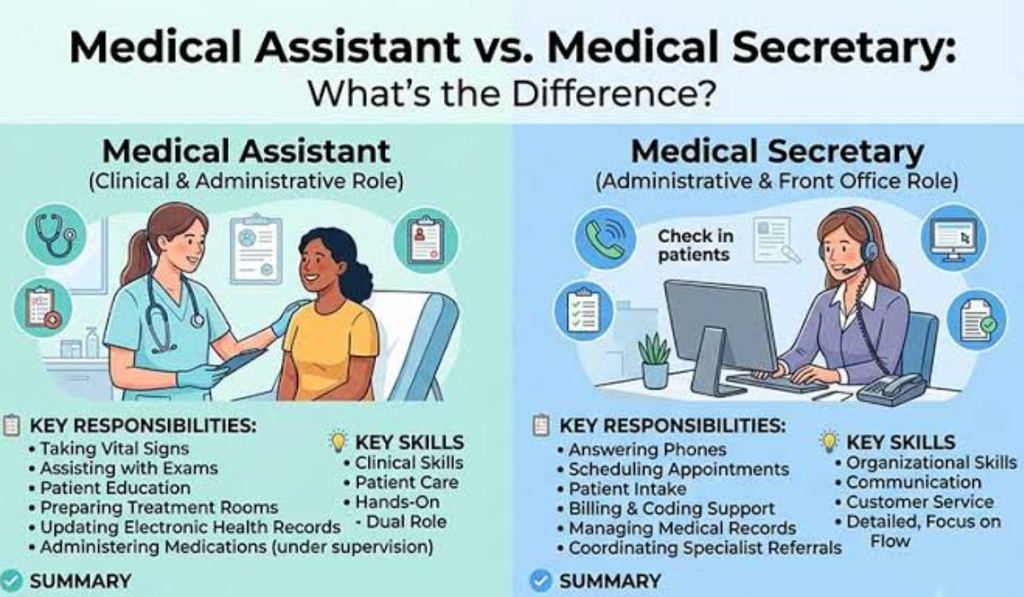
A regular doctor is a medical assistant who provides care within their professional qualifications and legal permissions. An authorised medical attendant, in a specific administrative context, is a professional recognised under a particular scheme or set of rules. The distinction concerns official recognition and eligibility for designated services rather than necessarily reflecting differences in clinical skill. A doctor may be fully qualified to treat a patient but not recognised for a particular employer’s reimbursement programme.
12. Patient Rights and Confidentiality
Patients should receive respectful care, understandable information, and treatment consistent with professional standards. Personal health information should be handled confidentially, subject to applicable legal requirements and legitimate reporting obligations. Patients can ask questions about examinations, treatment options, medical records, and the purpose of any requested certificate. Official recognition does not remove a practitioner’s ethical responsibilities or a patient’s rights under the relevant healthcare laws.
13. Responsibilities of Employees and Beneficiaries
Employees and beneficiaries should confirm their eligibility before using a scheme and understand its procedures. They may need to present identification, employment details, referral letters, previous reports, or other required documents. They should provide accurate medical information and follow the prescribed claim process. If the rules are unclear, contacting the relevant administrative office before treatment can help prevent avoidable disputes or delays.
14. How to Find an Approved Medical Professional
Start by checking the official website, published circulars, or current approved medical practitioner list maintained by the relevant department. Human resources offices and healthcare administrators can explain whether a particular doctor or facility is recognised. Confirm the practitioner’s registration, location, permitted services, and any referral requirements. Avoid relying solely on old lists or unofficial websites, because approval arrangements and administrative rules can change.
15. Documents That May Be Required
The necessary paperwork varies according to the service requested. Common examples include proof of employment or scheme membership, identification, medical prescriptions, consultation records, test reports, referral documents, receipts, and the prescribed claim form. A medical certificate may be required for leave or another employment process. Applicants should use the current official checklist rather than assuming that the same documents are required by every organisation.
16. Common Problems and How to Avoid Them
Problems can occur when a practitioner is not recognised by the scheme, a form is incomplete, a claim is submitted late, or supporting receipts are missing. Employees can reduce these risks by checking current requirements before treatment and keeping copies of all documents. Written confirmation from the relevant office may be helpful when eligibility is uncertain. If a claim is rejected, review the stated reason and follow the organisation’s appeal or correction procedure.
17. Emergency Medical Treatment
Emergencies require prompt attention, and people should not delay urgent care while trying to confirm an administrative approval. Contact local emergency services or go to an appropriate emergency department when necessary. Reimbursement or reporting requirements can be reviewed after the immediate medical need has been addressed. The applicable scheme may specify how emergency treatment outside approved arrangements is documented and assessed.
18. Rules, Regulations, and Government Orders
The legal meaning of this designation depends on the exact regulation in which it appears. Different administrations may define eligible practitioners, covered treatments, family-member eligibility, referral procedures, and reimbursement limits differently. A policy from one department may not apply to another. For an authoritative answer, consult the latest official service rules, healthcare scheme documents, government notifications, and amendments relevant to the employee or beneficiary.
19. Frequently Asked Questions About Eligibility
Questions commonly concern who can use the scheme, whether family members are covered, which doctors are accepted, and whether specialist referrals are mandatory. These matters cannot be answered uniformly without knowing the applicable jurisdiction and employment arrangement. The official policy should specify the eligible beneficiaries, permitted services, and relevant approval process. Where the written rules are unclear, ask the administering authority for clarification before relying on an assumption.
20. Importance of Keeping Medical Records
Accurate medical records support continuity of care and can help demonstrate that an official procedure was followed. Patients should keep prescriptions, test results, referrals, invoices, and relevant certificates in a secure place. Records may be needed for follow-up appointments, reimbursement applications, or employment administration. Only submit the information required by the receiving authority, and protect sensitive medical details from unnecessary disclosure.
21. Digital Healthcare and Online Verification
Some organisations publish practitioner directories, application forms, and claim guidance online. Digital services can make it easier to check eligibility and obtain current instructions, but users should verify that a website belongs to the responsible authority. Online information may be outdated or incomplete, particularly when copied from older circulars. When the consequences are significant, confirm the details with the department or scheme administrator directly.
22. How Organisations Can Improve the Process
Organisations can make healthcare administration easier by publishing clear eligibility criteria, maintaining current practitioner lists, and providing simple claim instructions. Staff should be able to identify the correct contact for medical approvals and reimbursement questions. Transparent timelines, secure record handling, and a documented appeal process can reduce confusion. Periodic review of policies also helps ensure that procedures remain aligned with current regulations and healthcare needs.
23. Choosing the Right Source of Information
The most reliable source is the official regulation or notification that governs the person’s particular situation. Government department websites, official healthcare scheme portals, and authorised administrative offices can provide relevant details. General articles are useful for understanding the terminology, but they cannot replace legal or administrative guidance. Always compare the publication date, jurisdiction, and scope before using information to make a healthcare or reimbursement decision.
24. Final Thoughts
An authorised medical attendant can play an important role in recognised healthcare arrangements, medical assessments, and official documentation. The designation may affect access to particular services or the acceptance of medical claims, but its exact meaning varies by scheme. Individuals should verify eligibility, follow current procedures, and seek urgent care whenever necessary. For further background, consult Wikipedia and then locate the official government or departmental rules that apply to your specific situation. Official sources should take priority when confirming legal requirements, professional recognition, or reimbursement eligibility.
FAQs
1. What is an authorised medical attendant?
- It is a medical professional recognised under specific rules to provide designated healthcare services or official medical documentation.
2. Who can appoint an authorised medical attendant?
- The responsible government department, organisation, or healthcare scheme determines the recognition and appointment process.
3. Can any registered doctor act as an authorised medical attendant?
- Not necessarily; a particular scheme may require additional approval or inclusion on an official panel.
4. Is treatment by an authorised medical attendant always reimbursed?
- No; reimbursement depends on the applicable scheme, eligible expenses, documentation, and any approval requirements.
5. Where can I check the applicable rules?
- Consult the latest official government notification, service regulations, healthcare scheme documents, or the relevant administrative office.