

Introduction to Crypto Insights MyGreenBucks
Cryptocurrency has changed how people think about digital money, online payments, and investment opportunities. As more individuals explore blockchain technology, the demand for accessible financial information continues to grow. Crypto insights mygreenbucks is a search phrase that combines cryptocurrency research with an interest in financial knowledge and digital wealth management. Understanding this topic requires learning about market trends, investment risks, blockchain fundamentals, and reliable information sources. Whether you are a beginner or an experienced reader, developing a careful approach to cryptocurrency can help you make more informed decisions in a rapidly changing digital economy.
| Quick Overview | Details |
|---|---|
| Topic | Cryptocurrency insights and financial education |
| Main focus | Digital assets, market trends, and blockchain |
| Intended audience | Beginners and experienced crypto readers |
| Core themes | Research, security, risk management, and education |
| Investment approach | Informed and risk-aware decision-making |
| Platform identification | Verify the official MyGreenBucks website and its services |
| Important caution | Cryptocurrency investments can lose value |
1. What Does Crypto Insights MyGreenBucks Mean?
The phrase refers to an interest in cryptocurrency information associated with the Crypto Insights MyGreenBucks name. It may be used by people searching for digital asset education, market commentary, investment knowledge, or financial technology resources. However, the phrase alone does not establish that a particular website offers cryptocurrency analysis or investment services. Readers should confirm the platform’s identity before relying on its content. Understanding the difference between a search term, a financial education resource, and an investment service is an important first step toward making responsible decisions online.
2. Understanding the MyGreenBucks Connection
When researching a platform associated with a financial keyword, begin by identifying its official website, ownership information, contact details, and published policies. Check whether its content explains cryptocurrency concepts or promotes specific financial products. Do not assume that a website provides regulated investment advice simply because its name appears alongside crypto-related searches. Reliable research starts with independently verifiable information. If the platform makes claims about returns, partnerships, or professional credentials, look for supporting evidence before accepting those statements as accurate.
3. Why Cryptocurrency Insights Matter

Cryptocurrency prices can change significantly within short periods. Market information helps readers understand why prices move, how investor sentiment develops, and which economic events may influence digital assets. Useful insights can include historical price movements, trading volume, network activity, and broader financial conditions. Nevertheless, analysis cannot eliminate uncertainty or guarantee future performance. Investors should treat market commentary as one input among several rather than a promise of profit. Combining independent research with realistic expectations creates a stronger foundation for evaluating digital assets.
4. Understanding Cryptocurrency Basics
Cryptocurrency is a form of digital asset that commonly relies on cryptographic methods and distributed ledger technology. Bitcoin and Ethereum are prominent examples, although they serve different purposes within the digital asset ecosystem. Some cryptocurrencies are designed for payments, while others support applications, smart contracts, or specialized blockchain networks. Before purchasing any asset, learn how it works, what problem it aims to solve, and why people may value it. Basic knowledge can help beginners distinguish meaningful technological developments from marketing claims.
5. How Blockchain Technology Works
A blockchain is a digital ledger that records transactions in a sequence of linked blocks. Depending on its design, a network may use validators, miners, or other mechanisms to verify transactions and maintain agreement about the ledger’s state. Blockchain systems can provide transparency and reduce reliance on certain centralized recordkeepers, but they are not automatically free from errors, fraud, or technical weaknesses. Understanding network security, transaction fees, and decentralization can help readers evaluate projects more carefully and avoid assuming that every blockchain-based product is trustworthy.
6. Analyzing Cryptocurrency Market Trends
Market trends describe the direction and behavior of asset prices over time. Analysts may examine price charts, trading volume, market capitalization, and volatility to understand current conditions. A rising price does not necessarily mean that an asset has strong fundamentals, just as a falling price does not automatically make it undervalued. Readers should consider the wider context, including market liquidity, economic developments, and project-specific news. Combining several indicators can provide a more balanced perspective than relying on one chart or an online prediction.
7. The Importance of Bitcoin in Crypto Research
Bitcoin is widely recognized as the first successful decentralized cryptocurrency and remains an important reference point for the broader digital asset market. Its price movements can influence investor sentiment across other cryptocurrencies, although the relationship is not consistent in every market environment. Researching Bitcoin involves understanding its limited issuance schedule, mining process, network adoption, and potential volatility. Investors should also recognize that Bitcoin’s historical performance does not guarantee future returns. A sound research process considers both its technological characteristics and the financial risks associated with ownership.
8. Exploring Ethereum and Smart Contracts
Ethereum is a blockchain platform that supports smart contracts, which are programs that execute according to predefined rules. This functionality has helped support decentralized finance applications, digital collectibles, and other blockchain-based services. Ethereum’s ecosystem also involves technical, regulatory, and market risks that readers should understand before investing. Network usage, transaction costs, competition, and development activity can all affect how the ecosystem evolves. Studying these factors provides a clearer picture of the technology than relying exclusively on price predictions or promotional material.
9. Fundamental Analysis for Digital Assets
Fundamental analysis evaluates the characteristics that may influence a cryptocurrency’s long-term prospects. Relevant factors include the project’s purpose, development progress, token supply, governance structure, network adoption, and competitive position. Investors can review technical documentation, public development repositories, and independently verified network data where available. A project with an appealing concept may still struggle with adoption or execution. Similarly, a popular token may have a price that already reflects optimistic expectations. Fundamental analysis helps organize the available evidence, but it cannot provide certainty about future market value.
10. Technical Analysis and Price Charts
Technical analysis studies price history and trading activity to identify possible patterns. Common tools include moving averages, relative strength index readings, support and resistance levels, and trading-volume indicators. These methods may help traders structure their observations, but their signals can fail, especially in highly volatile or thinly traded markets. No indicator consistently predicts every price movement. Beginners should learn how each tool works, test assumptions against historical data, and avoid treating chart patterns as guaranteed trading opportunities. Risk management remains essential even when a technical signal appears convincing.
11. Understanding Cryptocurrency Volatility
Volatility measures how substantially an asset’s price fluctuates over a period. Crypto insights mygreenbucks markets can experience sharp movements because of changing demand, limited liquidity, leverage, regulatory announcements, or unexpected security incidents. These fluctuations may create opportunities for some traders while producing substantial losses for others. Before entering a position, consider how much of your investment could be lost without affecting essential expenses. Avoid borrowing money to speculate, and be cautious about making decisions during periods of excitement or panic. Recognizing volatility is a basic part of responsible crypto participation.
12. Risk Management for Crypto Investors
Risk management helps investors limit the damage caused by unfavorable outcomes. Common practices include setting a realistic investment budget, diversifying appropriately, avoiding excessive leverage, and reviewing exposure regularly. Some investors establish predetermined exit conditions, although stop orders may not execute at the expected price during rapid market movements. Never invest money needed for housing, food, medical expenses, or other essential obligations. A careful plan should also account for fees, taxes, and the possibility that an asset becomes difficult to sell. Preserving financial stability matters more than chasing short-term gains.
13. Choosing a Cryptocurrency Exchange
A cryptocurrency exchange is a service that allows users to buy, sell, or trade digital assets. Before opening an account, research the company’s legal status, security practices, supported regions, withdrawal rules, fee schedule, and customer support options. Check whether independent sources have reported serious incidents or unresolved complaints. Be especially cautious about websites that promise guaranteed profits or demand additional deposits before releasing supposed earnings. Use official website addresses and verify communications independently. Availability and regulatory requirements vary by country, so confirm the rules that apply to your location.
14. Digital Wallets and Asset Security
Cryptocurrency wallets help users manage the keys needed to authorize transactions. Hot wallets connect to internet-based systems, while cold-storage methods keep keys offline or less exposed to online threats. Each approach involves trade-offs between convenience, security, and recovery options. Anyone managing a wallet should protect recovery phrases, use reputable software, and verify transaction details before approving transfers. Never share private keys or recovery phrases with strangers, support agents, or websites claiming to provide assistance. Blockchain transactions may be irreversible, making careful security practices especially important.
15. Recognizing Cryptocurrency Scams
Crypto-related scams can involve fake investment platforms, impersonation, phishing links, fraudulent token launches, and promises of unusually high returns. Scammers may use fabricated testimonials, fake account balances, or pressure tactics to encourage deposits. Warning signs include guaranteed profits, secret trading systems, demands for urgent payments, and requests to pay a fee to unlock funds. Verify claims through independent sources rather than relying on promotional screenshots. If an offer seems unusually attractive or refuses to explain its risks, pause and investigate before sharing personal information or sending money.
16. The Role of Crypto News
News can influence cryptocurrency markets by changing expectations about regulations, security, adoption, and economic conditions. However, social media posts and sensational headlines can spread inaccurate information quickly. Readers should distinguish confirmed announcements from speculation and check publication dates before acting. When possible, consult primary sources such as official regulatory statements, project announcements, and published technical documents. Independent reporting can provide useful context, but no single source should determine an investment decision. A balanced information diet reduces the risk of reacting impulsively to rumors or misleading headlines.
17. Decentralized Finance and Its Risks
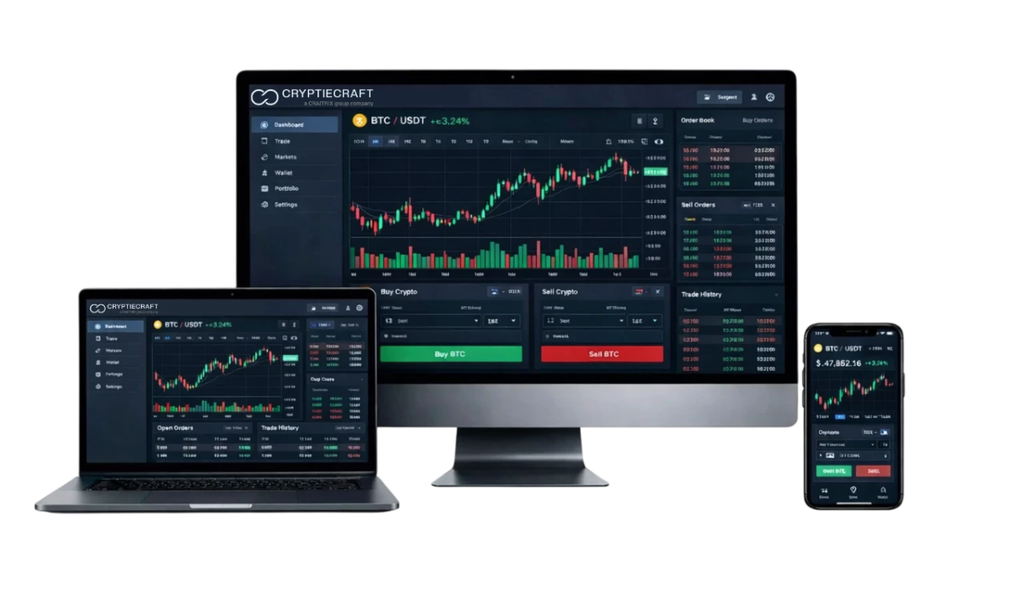
Decentralized finance, commonly called DeFi, uses blockchain-based applications to provide services such as lending, borrowing, and exchanging digital assets. These systems can introduce new financial possibilities, but they also carry risks involving smart-contract vulnerabilities, collateral liquidation, unstable token prices, and malicious project operators. High advertised yields do not necessarily represent sustainable returns. Before interacting with a DeFi application, investigate its code audits, governance, liquidity, and operating history. Even audited protocols can experience failures, so users should understand the potential for substantial or total losses.
18. Understanding Stablecoins
Stablecoins are digital tokens designed to maintain a relatively stable value, often by referencing a currency such as the US dollar. Their stability depends on the issuer, reserve arrangements, redemption mechanisms, market liquidity, and broader confidence. Some stablecoins may lose their intended price relationship during periods of stress. Users should review reserve disclosures, redemption conditions, and applicable regulatory information before relying on them. A stablecoin is not automatically equivalent to a bank deposit, and protections may differ significantly. Understanding these distinctions helps prevent mistaken assumptions about safety.
19. Cryptocurrency Regulation and Compliance
Cryptocurrency regulations differ across jurisdictions and can change as governments respond to new technologies and financial risks. Rules may cover exchanges, taxation, consumer protection, anti-money-laundering requirements, and the legal treatment of specific tokens. Readers should consult official government and regulatory resources for current requirements rather than relying on outdated online summaries. Compliance obligations can also depend on how an asset is used and whether an individual trades, operates a business, or provides services. Understanding local rules is essential before committing funds or launching a crypto-related project.
20. Taxes and Recordkeeping
Cryptocurrency transactions may create tax obligations depending on local law and the nature of the activity. Buying, selling, exchanging, earning rewards, or receiving digital assets can receive different tax treatment in different countries. Maintain accurate records of transaction dates, asset quantities, fees, purchase costs, and proceeds. Preserve exchange statements and wallet histories where possible. Do not assume that a transaction is tax-free simply because it occurs on a blockchain or through a decentralized application. Seek guidance from a qualified tax professional when your circumstances are complex or local rules are unclear.
21. Building a Personal Crypto Research Routine
A consistent research routine can make cryptocurrency analysis more organized. Start by choosing a limited number of assets or topics to follow, then review credible news, official project updates, relevant market data, and major risk factors. Record why you are interested in an asset and what evidence might change your view. Revisit those assumptions periodically instead of reacting to every price movement. A written process encourages patience and helps separate research from emotion. It also makes it easier to recognize when an investment no longer fits your goals or risk tolerance.
22. Common Mistakes Made by Beginners
New investors often enter markets because of hype, copy influencers without checking their claims, or assume that a low-priced token has greater growth potential. Others concentrate too much money in one asset or trade frequently without understanding fees. Another common mistake is confusing past returns with a reliable forecast. These behaviors can lead to avoidable losses. Beginners should prioritize learning, keep records, use strong security practices, and avoid strategies they cannot explain. Taking time to understand an investment is generally more useful than rushing to participate in every trending opportunity.
23. How to Evaluate Online Crypto Information
When reviewing online cryptocurrency content, examine the author’s expertise, evidence, publication date, and potential financial incentives. Check whether statements are supported by verifiable data and whether the author clearly separates facts from opinions. Be skeptical of anonymous claims that cannot be independently confirmed. If a website promotes a particular token, investigate whether it receives compensation for doing so. Readers researching crypto insights mygreenbucks should apply the same standards: verify the exact platform, review its disclosures, and distinguish educational material from personalized financial advice or marketing.
24. The Future of Cryptocurrency Research
Cryptocurrency research is likely to continue evolving as blockchain infrastructure, digital payments, tokenization, and regulatory frameworks develop. Better analytical tools may make network data easier to interpret, while artificial intelligence may help organize large volumes of information. These tools can still produce inaccurate conclusions or overlook important context. Future developments will depend on technical reliability, practical adoption, user protection, and economic conditions. Rather than assuming that every new project will succeed, readers should assess evidence as it emerges and remain open to revising their expectations.
25. Is Crypto Insights MyGreenBucks Suitable for Beginners?
Beginners can benefit from any resource that explains digital assets clearly, cites reliable sources, and discusses risks honestly. However, the suitability of a specific MyGreenBucks resource cannot be determined from its name alone. Check whether the material is understandable, transparent about its authorship, and free from unrealistic promises. Start with basic concepts before considering complex products such as leveraged trading or decentralized finance. If a platform asks for deposits, identity documents, or wallet access, verify its legitimacy and security requirements before proceeding. Education should come before financial commitment.
26. Practical Tips for Smarter Crypto Decisions
Use a simple checklist before making a cryptocurrency decision. Understand the asset’s purpose, investigate the team or organization behind it, review supply and liquidity, and identify the main risks. Confirm the authenticity of websites and communications, protect wallet credentials, and calculate how a loss would affect your finances. Avoid acting solely because prices are rising or an influencer recommends a token. If you cannot explain why an investment might have value or how it could fail, spend more time researching it. Clear reasoning is more dependable than excitement.
27. Separating Education From Investment Advice
Educational content explains concepts and helps readers evaluate information, while personalized investment advice considers an individual’s financial circumstances and goals. A general article cannot determine which assets are appropriate for every reader. Investment decisions may depend on income, existing savings, debt, time horizon, and tolerance for loss. Treat online commentary as a starting point for further investigation rather than a substitute for professional guidance. Where necessary, consult a suitably qualified and authorized financial adviser who understands your jurisdiction and circumstances. Always make decisions based on verified evidence and your own financial needs.
28. Final Thoughts on Crypto Insights MyGreenBucks
Cryptocurrency offers an evolving mix of technological innovation, financial experimentation, and significant uncertainty. Understanding blockchain systems, researching digital assets, managing risk, and protecting personal information can help readers navigate this environment more confidently. Crypto insights mygreenbucks is best approached as a research topic until the specific platform, its ownership, and its services are independently verified. No website, indicator, or investment strategy can guarantee returns. For foundational information, consult the Wikipedia article on cryptocurrency and compare it with primary sources, official regulatory guidance, and reputable educational resources before making financial decisions.
Frequently Asked Questions
1. What does crypto insights mygreenbucks mean?
- It is a search phrase connecting cryptocurrency research with the MyGreenBucks name; the exact platform and services should be independently verified.
2. Can beginners learn about cryptocurrency through online resources?
- Yes. Start with blockchain basics, digital wallets, market risks, and security practices before considering investments.
3. Does cryptocurrency guarantee profits?
- No. Digital assets can be highly volatile, and investors may lose some or all of their money.
4. How can I check whether a crypto platform is legitimate?
- Verify its official domain, ownership, legal status, contact details, security policies, and claims through independent sources.
5. Where can I learn more about cryptocurrency?
- Begin with the Wikipedia cryptocurrency overview, then consult official documentation and applicable financial regulators for more detailed information.