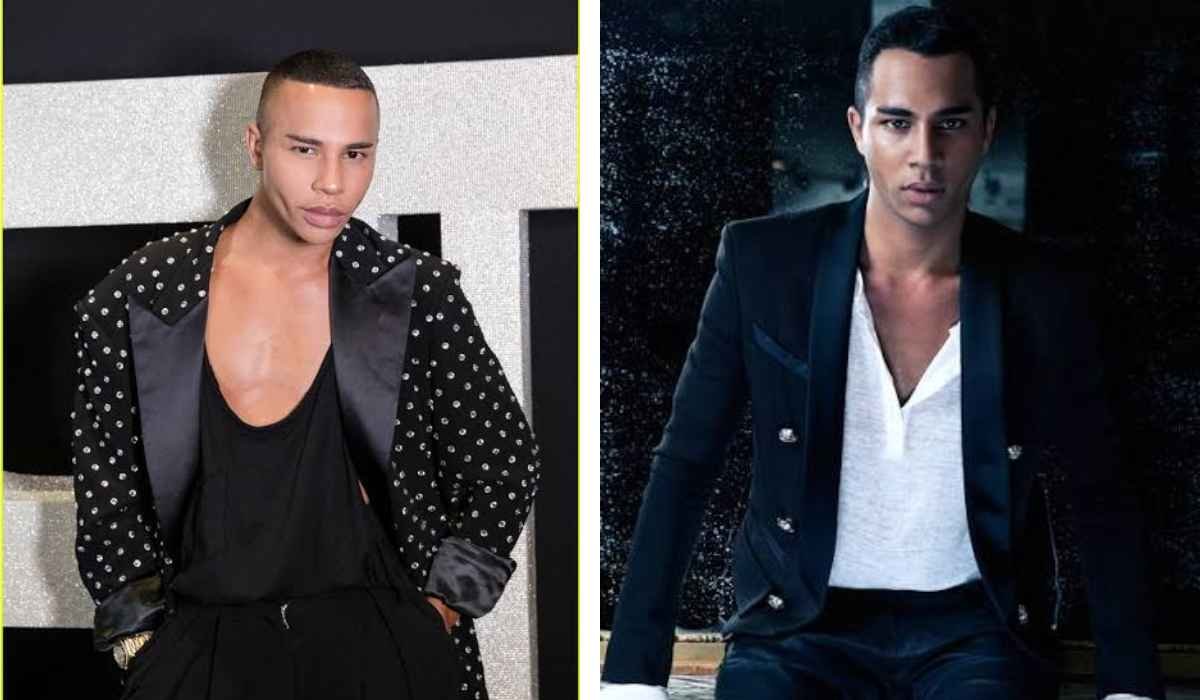
Introduction to Olivier Rousteing
Olivier Rousteing is one of the most influential personalities in contemporary luxury fashion. Known for his creative vision, bold designs, modern approach to haute couture, and strong connection with popular culture, he has transformed the way audiences experience high-end fashion. His professional journey reflects ambition, creativity, determination, and a willingness to challenge traditional industry expectations. From his early experiences in France to leading internationally recognized fashion houses, his career demonstrates how originality and business awareness can work together. His story continues to attract fashion enthusiasts, designers, celebrities, and readers interested in the evolution of modern luxury fashion.
| Biography detail | Information |
|---|---|
| Full name | Olivier Rousteing |
| Date of birth | September 13, 1985 |
| Birthplace | Bordeaux, France |
| Nationality | French |
| Profession | Fashion designer |
| Education | ESMOD, Paris |
| Previous fashion house | Balmain |
| Balmain tenure | 2011–2025 |
| Current fashion house | Rabanne |
| Known for | Luxury fashion, contemporary couture and creative direction |
| Documentary | Wonder Boy |
| Industry | International fashion and luxury |
1. Early Life and Background
The early life of Olivier Rousteing played an important role in shaping his personality and creative ambitions. Born in Bordeaux, France, he was adopted during infancy and raised by a loving family. His childhood experiences contributed to his understanding of identity, belonging, and individuality. Growing up in a supportive environment allowed him to explore personal interests while developing an appreciation for artistic expression. Fashion eventually became a powerful way for him to communicate emotions, creativity, and confidence. These early experiences helped establish the foundation for his future career in the competitive international fashion industry.
2. Childhood Interest in Fashion
Fashion became an important interest during his childhood. He enjoyed observing clothing, experimenting with different styles, and imagining creative outfits. Rather than viewing clothing simply as something practical, he recognized its ability to express personality and individuality. His fascination with international fashion icons and popular culture encouraged him to explore the creative possibilities of design. This early enthusiasm gradually developed into a serious professional ambition. His childhood interests also helped him understand how visual presentation can influence confidence, identity, and social expression, qualities that later became recognizable elements of his professional design philosophy.
3. Educational Journey and Fashion Training
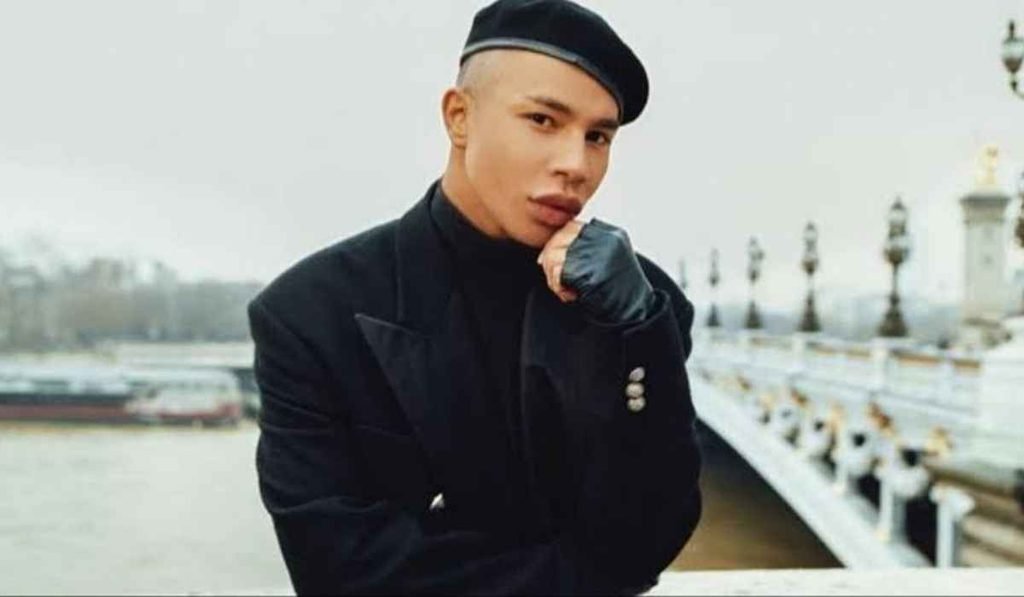
Education provided an introduction to the technical and creative aspects of fashion. He attended ESMOD, a respected fashion school in Paris, where students explore garment construction, design development, and industry practices. Although his formal studies were relatively brief, the experience helped him understand the demands of professional fashion design. He eventually decided to pursue practical opportunities instead of following a conventional educational route. His decision demonstrated his willingness to take professional risks. For aspiring designers, his educational experience illustrates that formal training can be valuable while practical experience and personal determination also contribute significantly to success.
4. First Professional Opportunities
Entering the fashion industry required patience, hard work, and confidence. Early professional opportunities allowed him to observe established designers and understand how international fashion businesses operate. He learned about creative collaboration, collection development, production schedules, and the importance of maintaining consistent design standards. These experiences helped him develop professional relationships and improve his understanding of luxury clothing. Working in an established fashion environment also introduced him to the expectations of international customers. His early career demonstrated that successful creative leadership requires more than artistic talent; it also demands organization, adaptability, communication, and an understanding of commercial realities.
5. Experience at Roberto Cavalli
One of the important stages in his professional development was working with Roberto Cavalli in Italy. The experience introduced him to glamorous ready-to-wear fashion and the creative atmosphere of an internationally recognized luxury label. He developed valuable knowledge of womenswear design, visual presentation, and collection management. The Italian fashion environment also exposed him to a different approach to luxury, emphasizing personality, sensuality, and striking visual details. His time at the company strengthened his professional abilities and prepared him for greater responsibilities. It also gave him the confidence to develop his own interpretation of contemporary fashion.
6. Joining the Balmain Fashion House
Joining Balmain in 2009 marked a significant turning point in his professional journey. The French luxury fashion house had a distinguished history and a recognizable identity built around sophisticated tailoring and elegant designs. He initially worked within the design studio under Christophe Decarnin, gaining valuable experience with the company’s creative direction. This opportunity introduced him to the heritage of French luxury fashion while allowing him to contribute fresh ideas. His growing understanding of the brand’s identity prepared him for an important leadership opportunity that would eventually reshape his professional reputation and international influence.
7. Becoming Creative Director of Balmain
In April 2011, Olivier Rousteing became the creative director of Balmain at just 25 years old. His appointment attracted considerable attention because he was unusually young for such an influential position within a historic Parisian fashion house. He inherited a respected fashion identity and the responsibility of developing its future direction. Rather than completely abandoning the company’s heritage, he introduced contemporary influences that appealed to younger international audiences. His appointment became an important moment in his career, establishing him as a prominent creative leader and introducing a distinctive new chapter in the history of the French luxury brand.
8. Signature Fashion Design Philosophy
A defining characteristic of his design philosophy is the combination of traditional luxury craftsmanship with contemporary glamour. His collections frequently feature structured silhouettes, decorative embellishments, sophisticated tailoring, and dramatic proportions. Olivier Rousteing has developed a recognizable approach that balances elegance with confidence and visual impact. His designs often celebrate individuality while incorporating references to music, entertainment, and modern culture. This combination allows his work to communicate with different generations of fashion consumers. His creative approach demonstrates how established luxury traditions can evolve without losing their connection to quality, craftsmanship, and artistic identity.
9. The Influence of French Haute Couture
French haute couture has played an important role in shaping his understanding of fashion. The tradition emphasizes precision, exceptional craftsmanship, creativity, and attention to detail. During his career, he explored ways to connect these established principles with contemporary fashion preferences. His collections frequently demonstrated how carefully constructed garments could become visually exciting and commercially relevant. The influence of French fashion history remained important even when he experimented with modern materials and unconventional presentation. This relationship between heritage and innovation became an important part of his creative identity and helped establish his reputation within international luxury fashion.
10. The Famous Balmain Army
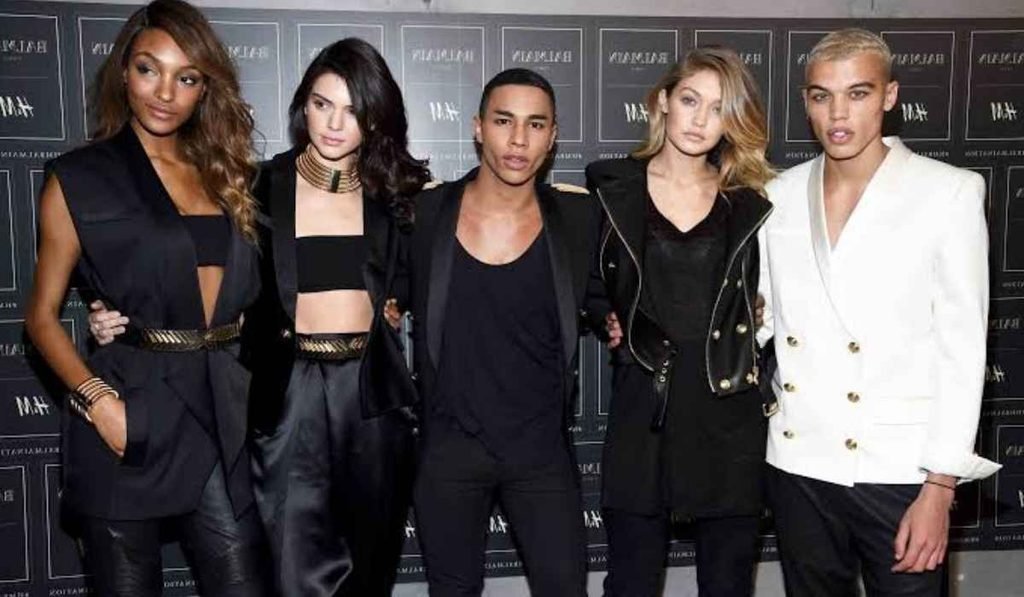
The Balmain Army became one of the most recognizable cultural developments associated with his leadership. It refers to a community of models, celebrities, influencers, and fashion enthusiasts who supported the brand and appeared in its campaigns and events. The concept helped communicate a modern image of luxury fashion that emphasized diversity, confidence, and celebrity culture. Olivier Rousteing used influential personalities to introduce Balmain to audiences beyond traditional fashion publications. The approach demonstrated that brand identity could develop through communities and shared experiences, rather than relying exclusively on traditional advertising and runway presentations.
11. Celebrity Collaborations and Famous Clients
Celebrity relationships became an important element of his professional identity. During his Balmain years, he worked with internationally recognized entertainers and personalities, including Beyoncé, Rihanna, Jennifer Lopez, and members of the Kardashian family. These connections increased public interest in the fashion house and created opportunities for distinctive red-carpet appearances. His ability to understand celebrity styling requirements helped him create memorable fashion moments. Such collaborations also demonstrated the relationship between luxury clothing, entertainment, music, and popular culture. They contributed to a wider conversation about the influence of famous personalities on contemporary fashion trends.
12. Social Media and Digital Fashion Marketing
Social media became one of the most important communication tools during his leadership at Balmain. Instagram offered a direct connection between fashion houses, celebrities, designers, and customers. He understood that audiences increasingly wanted to see the people and stories behind luxury brands. His public presence helped make the fashion house more accessible to younger consumers. This approach also changed how luxury fashion could communicate with international communities. His digital strategy illustrated that successful fashion marketing requires visual creativity, consistent storytelling, audience engagement, and an understanding of changing online communication habits.
13. Fashion Shows and Runway Presentations
Runway presentations provided an opportunity to express his creative vision through clothing, music, lighting, choreography, and staging. Instead of treating fashion shows simply as presentations of seasonal garments, he often approached them as larger entertainment experiences. His shows attracted attention from fashion journalists, celebrities, photographers, and international audiences. These presentations helped demonstrate the relationship between fashion and performance. They also highlighted the importance of atmosphere and storytelling in luxury branding. By combining traditional runway elements with contemporary entertainment influences, he contributed to the changing presentation style of major international fashion events.
14. Menswear and Womenswear Collections
His creative direction at Balmain covered both womenswear and menswear, giving him opportunities to explore different interpretations of luxury fashion. Womenswear collections frequently emphasized structured dresses, strong shoulders, detailed embellishments, and confident silhouettes. Menswear designs incorporated sophisticated tailoring, decorative elements, and contemporary styling. The two categories shared a common creative identity while responding to different customer preferences. This balanced approach helped the company develop a broader fashion presence. His work demonstrated how a consistent design philosophy could create distinctive collections for different audiences without sacrificing the individual character of each category.
15. Important Fashion Collaborations
Collaboration has been a recurring part of his creative journey. His work with musicians, performers, choreographers, and other designers allowed him to explore fashion beyond traditional clothing collections. One notable example was his involvement in the Jean Paul Gaultier haute couture collection in 2022, when he was invited to reinterpret the house’s creative codes. Such projects provided opportunities to engage with established fashion histories while introducing fresh perspectives. These collaborations demonstrated his versatility and willingness to experiment with different artistic disciplines, expanding his professional influence beyond the responsibilities of a single fashion house.
16. The Wonder Boy Documentary
Wonder Boy: Olivier Rousteing, Born Under X is a documentary that explores his personal background, identity, and professional experiences. Directed by Anissa Bonnefont, the film examines his search for information about his biological origins. It also provides insight into the emotional experiences that influenced his understanding of family and belonging. The documentary offers audiences a more personal perspective on a designer frequently associated with glamorous fashion events. It demonstrates that a public career can involve private questions and challenges that are not always visible through media appearances or fashion campaigns.
17. Personal Identity and Cultural Representation
Personal identity and cultural representation have been meaningful themes throughout his public journey. His experiences as an adopted French designer of Somali and Ethiopian heritage contributed to conversations about diversity within traditional luxury fashion institutions. Olivier Rousteing became an influential example of changing representation in an industry historically associated with limited creative leadership backgrounds. His success encouraged discussions about inclusion, visibility, and opportunities for emerging designers. Rather than separating personal experiences from professional creativity, he has frequently explored themes of belonging and individuality through his public identity and fashion work.
18. Challenges and Professional Determination
Success in international fashion involves considerable pressure, criticism, and competition. Leading a historic luxury house at a young age meant balancing creative expectations with commercial responsibilities and public attention. His collections received both praise and criticism, reflecting the different opinions that accompany influential creative decisions. He also faced personal challenges, including a serious accident at his Paris home in 2020 that caused significant burns. His recovery became an important personal experience. These circumstances demonstrate the determination required to maintain professional commitments while navigating unexpected difficulties and demanding industry expectations.
19. Major Achievements and Career Recognition
His achievements extend beyond designing individual collections. During his Balmain tenure, he helped expand the company’s global recognition, strengthened its celebrity relationships, and developed a distinctive digital presence. He also contributed to the revival of couture presentations at the fashion house. His work demonstrated that creative leadership can influence commercial development, brand communication, and cultural relevance. Industry publications have recognized his role in shaping contemporary fashion. His professional achievements provide an example of how a designer can influence both the artistic direction and international positioning of a luxury business.
20. Leaving Balmain in 2025
November 2025 marked the end of an important professional chapter when he announced his departure from Balmain after approximately 14 years as creative director. His departure attracted international attention because his leadership had become closely associated with the modern identity of the company. During his tenure, he transformed the fashion house’s public image through bold collections, celebrity partnerships, and digital communication. The announcement also created curiosity about his future creative opportunities. Although his position at Balmain ended, the influence of his work remains an important part of the company’s recent history and contemporary fashion discussions.
21. Joining Rabanne as Creative Director
In July 2026, Rabanne announced Olivier Rousteing as its new creative director, opening another major chapter in his career. The appointment followed his departure from Balmain and introduced him to a fashion house with a distinctive heritage of experimental materials and unconventional design. Rabanne has historically been associated with innovative approaches to fashion, including metallic materials and striking construction techniques. His appointment attracted attention because his experience in luxury branding and international celebrity culture could bring a fresh perspective to the company. His first collection is expected to present an important new direction for the house.
22. Design Innovation and Modern Creativity
Innovation is an important element of contemporary luxury fashion. Designers must respond to changing lifestyles, consumer expectations, new technologies, and international cultural influences. His creative career demonstrates the value of combining established craftsmanship with experimentation. Olivier Rousteing has consistently explored ways to make luxury fashion visually relevant to audiences who experience trends through digital platforms and popular culture. His approach also recognizes that clothing can communicate confidence, emotion, and individuality. The ability to reinterpret traditional design elements while maintaining a recognizable creative identity remains an important quality in his professional work.
23. Influence on the Global Fashion Industry
His influence extends across international fashion markets, entertainment, digital marketing, and celebrity styling. His Balmain years demonstrated how a fashion house could build cultural relevance through recognizable visual identities and relationships with influential personalities. His work also contributed to conversations about diversity and modern leadership within European luxury institutions. Fashion students and emerging designers can learn from his willingness to challenge established expectations. His career illustrates that international recognition depends on a combination of creative skill, business understanding, effective communication, and the ability to connect with audiences across different cultures.
24. Fashion Legacy and Future Opportunities
The long-term legacy of his career will be shaped by the collections, collaborations, and creative decisions he continues to develop. His departure from Balmain did not end his influence on the company’s recent history. Instead, it created an opportunity to explore another fashion heritage through his appointment at Rabanne. Olivier Rousteing now has the opportunity to combine his experience with a different creative environment. His future work will be closely watched by fashion professionals, customers, and international media. His journey highlights the importance of creative evolution, professional courage, and the ability to embrace new opportunities.
25. Why Fashion Enthusiasts Follow His Career
Fashion enthusiasts follow his career because it combines personal storytelling, luxury craftsmanship, celebrity culture, and modern communication. His public personality has made him recognizable beyond the traditional fashion industry. His collections also provide examples of how design can connect historical references with contemporary aesthetics. Readers interested in fashion leadership can study his professional journey to understand how a designer builds a recognizable identity. His career is especially relevant to discussions about social media, brand development, representation, and creative leadership. These subjects make his story valuable to fashion students, industry professionals, and general readers.
26. Relationship Between Fashion and Popular Culture
Fashion and popular culture increasingly influence one another. Music videos, celebrity appearances, award ceremonies, and social media campaigns create opportunities for designers to reach audiences worldwide. His career reflects this relationship through collaborations that bring luxury clothing into mainstream entertainment. Olivier Rousteing has demonstrated how fashion can become part of a wider cultural conversation. His work illustrates that modern designers must understand not only garment construction but also entertainment, communication, and audience preferences. This connection has helped make contemporary luxury fashion more visible to younger generations.
27. Business Strategy and Luxury Brand Development
Creative leadership also involves understanding the commercial side of fashion. Designers must consider product development, customer expectations, marketing, international expansion, and brand positioning. His experience at Balmain demonstrated how a strong visual identity could support wider business development. Olivier Rousteing helped connect the company’s traditional luxury image with contemporary marketing strategies. This combination strengthened its visibility among international consumers. His career offers an interesting example of how creative direction and business strategy can complement each other in a competitive global luxury market.
28. Lessons for Aspiring Fashion Designers
Emerging designers can learn several valuable lessons from his professional journey. Developing a recognizable design identity, gaining practical industry experience, and remaining open to collaboration are important steps toward building a successful career. Olivier Rousteing also demonstrates the importance of confidence when pursuing ambitious opportunities. His professional experiences show that setbacks and criticism are part of creative development. Aspiring designers should combine artistic experimentation with technical knowledge, communication skills, and an understanding of business. Consistency, determination, and willingness to learn can help transform creative interests into professional opportunities.
29. Future of Contemporary Luxury Fashion
The luxury fashion industry continues to evolve through changing customer expectations, digital platforms, sustainable practices, and innovative materials. Designers must understand how traditional craftsmanship can coexist with modern technology and international cultural influences. His move to Rabanne provides an opportunity to explore another creative heritage. Olivier Rousteing brings experience in celebrity partnerships, brand communication, and luxury design to this new position. His future collections may contribute to discussions about the direction of contemporary fashion. The industry’s response will depend on how successfully creative innovation connects with craftsmanship and customer expectations.
30. Overall Importance in Fashion History
His professional journey represents an important chapter in the development of modern French luxury fashion. From his early experiences in Bordeaux to leadership positions at internationally recognized fashion houses, his story reflects ambition and creative evolution. Olivier Rousteing helped introduce new audiences to Balmain while contributing to wider discussions about diversity, celebrity culture, and digital branding. His appointment at Rabanne represents another opportunity to influence the industry. His career remains relevant to readers interested in fashion history, luxury business, contemporary design, and the changing role of creative directors.
Frequently Asked Questions (FAQs)
1. Who is Olivier Rousteing?
– He is a French fashion designer who previously led Balmain and became creative director of Rabanne in 2026.
2. When did he become creative director of Balmain?
– He became creative director in April 2011, at the age of 25.
3. Why is he famous in the fashion industry?
– He is recognized for bold luxury designs, celebrity collaborations, digital marketing, and modernizing Balmain’s international image.
4. What documentary explores his personal story?
– Wonder Boy: Olivier Rousteing, Born Under X, directed by Anissa Bonnefont, explores his background and search for his biological origins.
5. Which fashion house did he join after leaving Balmain?
– He was appointed creative director of Rabanne in July 2026.
Conclusion
The story of Olivier Rousteing offers valuable insight into creativity, determination, and the evolution of international luxury fashion. His professional journey demonstrates how designers can respect traditional craftsmanship while introducing modern ideas, fresh marketing strategies, and new cultural influences. From his transformative years at Balmain to his appointment at Rabanne, his career continues to attract attention from fashion professionals and enthusiasts. Readers seeking additional biographical information can explore the related Wikipedia article about Olivier Rousteing , which provides further background on his life, education, professional achievements, and fashion career. This article is designed to provide informative, readable, and SEO-friendly coverage of his influence and legacy.