
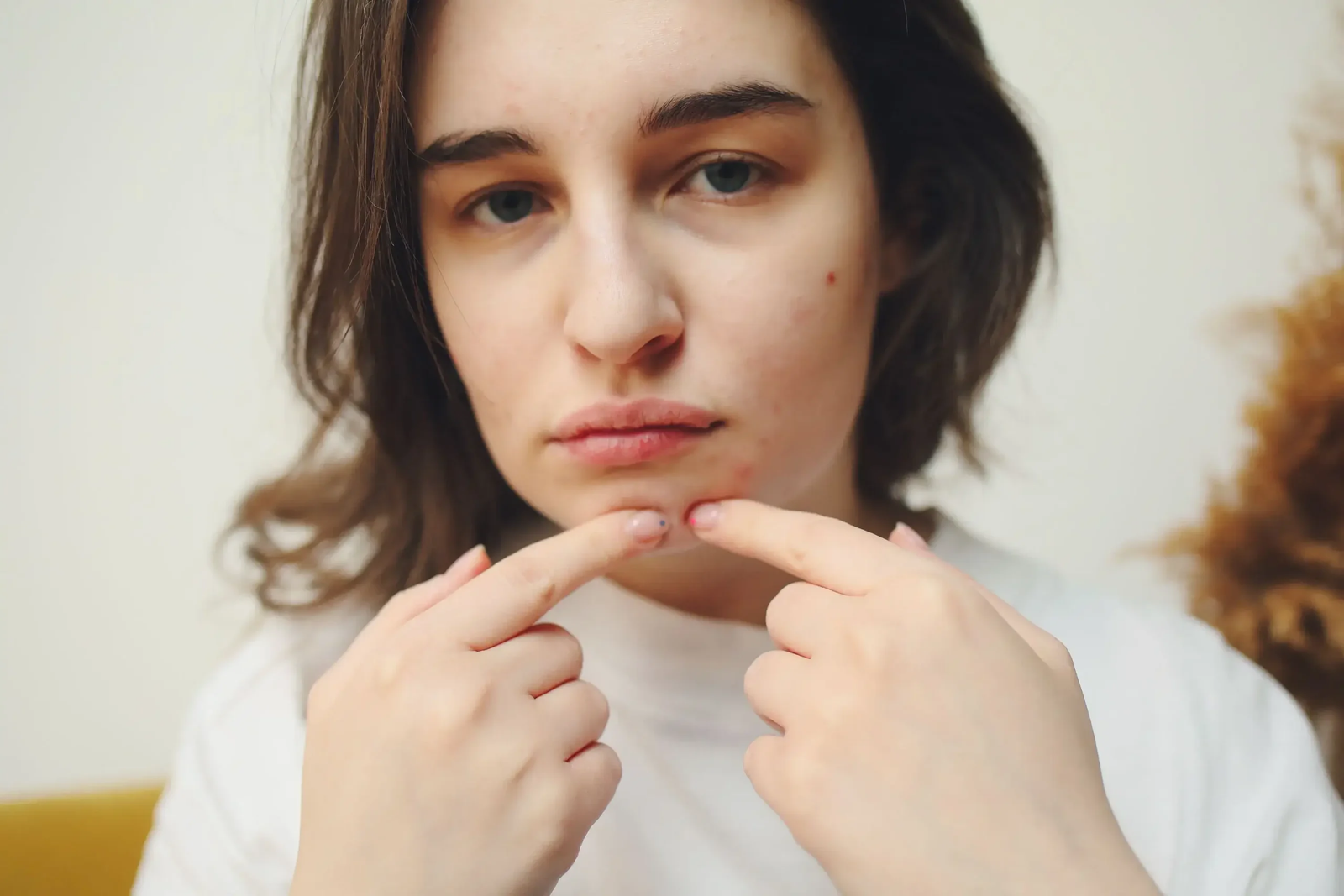
Have you ever noticed yourself touching, scratching, or picking your skin while concentrating on something else? For some individuals, these actions happen so automatically that they become aware only after noticing irritation or discomfort.
Repetitive skin picking can occur for several reasons, including sensory experiences, emotional distress, and habitual behaviour.
The relationship between ADHD and skin picking deserves attention because difficulties with attention regulation and impulse control may influence how these behaviours develop and continue.
What Makes Skin Picking an Automatic Behaviour?
Skin picking may involve touching blemishes, removing scabs, squeezing imperfections, or repeatedly manipulating areas of skin.
Some individuals pick intentionally to relieve discomfort. Others engage in the behaviour without realizing it.
Focused Skin Picking
Focused picking occurs when someone consciously responds to an urge, uncomfortable sensation, or perceived skin imperfection.
The behaviour may provide temporary satisfaction or relief.
Automatic Skin Picking
Automatic picking happens with limited awareness, often during activities requiring concentration.
Examples include reading, watching television, studying, or participating in conversations.
Both forms can occur in the same person.
How ADHD May Influence Repetitive Habits
ADHD can involve differences in attention regulation, impulsivity, and executive functioning.
These characteristics may contribute to repetitive behaviours in some individuals, although skin picking is not a defining symptom of ADHD.
Difficulty Recognizing Behavioural Patterns
People experiencing attention regulation difficulties may not immediately notice repetitive movements.
By the time they become aware of picking, the behaviour may already have caused irritation.
Seeking Sensory Stimulation
Some individuals engage in repetitive movements during periods of boredom or understimulation.
Touching or picking the skin may provide sensory feedback that temporarily feels engaging.
Responding to Emotional Discomfort
Stress, frustration, and restlessness can increase urges to engage in repetitive behaviours.
Understanding these emotional connections can support more effective management.
Identifying Personal Skin Picking Patterns
A useful first step involves observing when picking occurs.
Individuals can record the activity they were performing, their emotional state, and the area of skin involved.
Questions That Improve Awareness
Consider whether picking happens more frequently during stressful situations or quiet activities.
Notice whether the behaviour begins after touching an uneven area of skin.
Also observe whether certain environments, mirrors, or routines increase urges.
These observations can help identify opportunities for intervention.
Behavioural Strategies That May Reduce Picking
Habit Reversal Training
Habit reversal training helps individuals recognize early warning signs and practise competing responses.
For example, someone may gently press their hands together or rest them on a surface when an urge appears.
The goal is to interrupt repetitive behaviour through consistent practice.
Stimulus Control
Stimulus control involves adjusting environmental factors that contribute to picking.
Keeping nails trimmed, reducing prolonged mirror inspection, and protecting vulnerable skin may help.
Attention and Emotional Regulation
Mindfulness exercises may improve awareness of physical sensations and emotional triggers.
Regular breaks and structured activities can also help some individuals manage restlessness.
When Does Skin Picking Require Professional Attention?
Occasional picking does not necessarily indicate a mental health disorder.
However, repeated picking that causes skin damage, significant distress, or difficulty stopping may require assessment.
A qualified professional can evaluate whether symptoms are associated with a body-focused repetitive behaviour disorder, ADHD, or another concern.
Conclusion
ADHD and skin picking may overlap through attention difficulties, impulsivity, sensory experiences, and emotional regulation challenges.
Understanding whether picking occurs automatically or intentionally can help individuals choose appropriate strategies.
With greater awareness, behavioural techniques, and professional support when necessary, harmful repetitive habits can become more manageable.
Read More at Kooper Magazine