
Business revenue rarely follows a perfectly predictable schedule. Some companies experience steady monthly sales, while others depend on seasonal demand, project completion, or changing customer activity.
These differences can influence which financing structure is appropriate.
For entrepreneurs exploring a revenue based loan Vancouver, understanding how revenue-linked repayment works is essential before accepting financial obligations.
What Is Revenue-Based Financing?
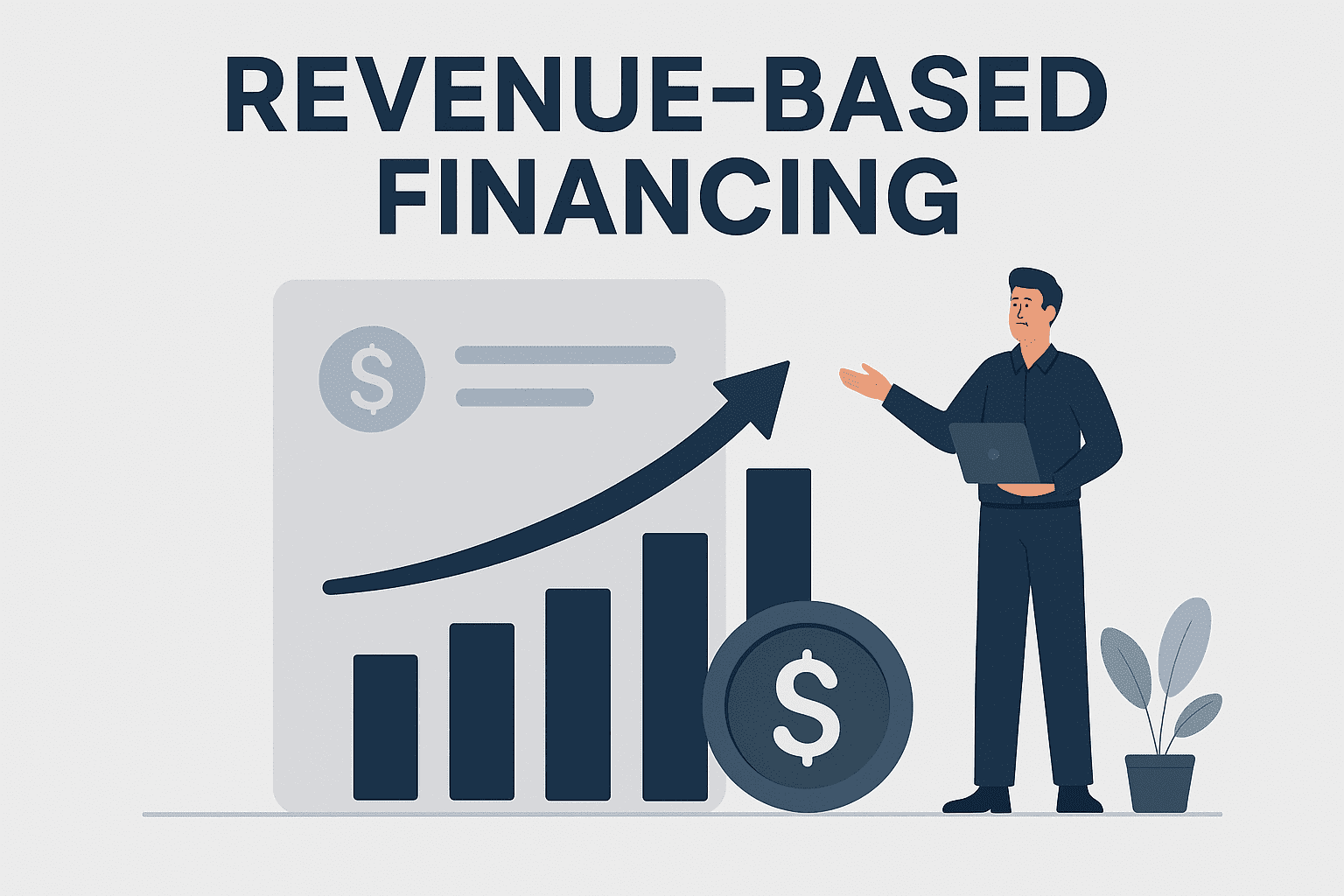
Revenue-based financing generally involves providing capital with repayment arrangements connected to business revenue.
Depending on the agreement, payments may be calculated as a percentage of eligible sales.
However, financing structures vary.
Some agreements use fixed repayments determined by historical revenue rather than payments that automatically adjust to current sales.
Why Repayment Structure Matters
A business with fluctuating income may find variable payments easier to manage during slower periods.
However, this benefit exists only when the contract explicitly connects payment amounts to actual revenue.
Borrowers should verify the calculation method.
Vancouver Businesses and Revenue Fluctuations
Vancouver has commercial activity across hospitality, retail, tourism-related operations, construction, and professional services.
Different industries experience different revenue patterns.
Seasonal Businesses
Some businesses generate stronger revenue during particular times of the year.
A repayment structure linked to actual sales may provide flexibility when demand changes.
Retail Operations
Retailers often experience changes in purchasing activity.
Additional financing may help prepare inventory before anticipated demand increases.
Growing Businesses
Expanding companies may require capital before new investments begin generating revenue.
Revenue-based financing can be considered when future sales expectations are supported by credible financial information.
How Revenue-Based Repayments May Work
A financing agreement may specify how payments are calculated and when the obligation is satisfied.
Some arrangements involve a predetermined repayment amount or multiple.
Others may include additional contractual conditions.
Understand the Total Repayment Obligation
Borrowers should determine the full amount payable.
They should also understand whether repayment duration changes when revenue increases or decreases.
Ask About Low-Revenue Periods
A revenue based loan Vancouver entrepreneur considers should be evaluated under different sales scenarios.
If revenue declines, does the required payment decrease?
If sales increase, will repayment accelerate?
These questions help reveal how the arrangement affects cash flow.
Eligibility Considerations
Financing providers may evaluate revenue history, transaction records, operating history, and existing obligations.
Documented Sales Activity
Reliable sales records help demonstrate business performance.
However, revenue alone does not establish repayment capacity.
Operating expenses and existing financial commitments also matter.
Business Financial Stability
Lenders may review bank statements and other financial information.
Accurate documentation can help applicants explain seasonal fluctuations or unusual transactions.
Evaluating Whether Revenue-Based Financing Fits
Before borrowing, business owners should identify how the capital will be used.
Funding inventory purchases, improving operational capacity, or fulfilling confirmed orders may create measurable benefits.
However, borrowing against uncertain sales projections can increase financial risk.
Compare Alternative Financing Structures
Revenue-linked financing is not automatically more affordable than conventional borrowing.
Entrepreneurs should compare total costs, repayment conditions, and contractual obligations.
Businesses researching Vancouver revenue financing information should request clear explanations of payment calculations and financing responsibilities.
Conclusion
A revenue based loan Vancouver business owners explore may offer a financing approach connected to business sales.
Its suitability depends on the actual repayment terms, financial performance, and intended use of capital.
By reviewing revenue patterns, calculating borrowing costs, and preparing realistic forecasts, entrepreneurs can determine whether revenue-based financing supports their business objectives.
Read More at Kooper Magazine