
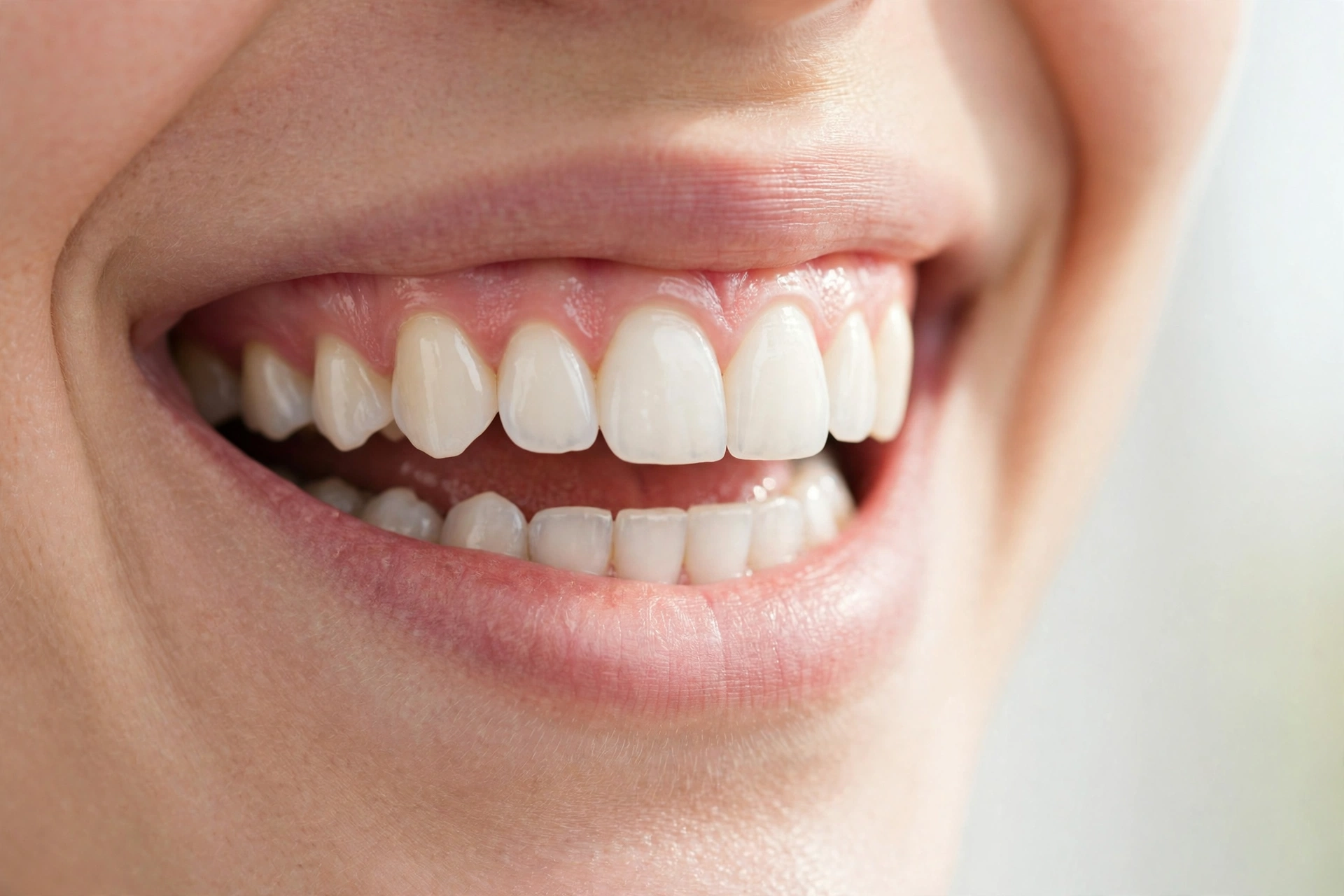
Why Gum Health Matters for Your Smile
A healthy smile is about more than clean, bright teeth. The gums play an equally important role by supporting the teeth, protecting their roots, and helping maintain the overall structure of the mouth. When gums are healthy, they provide a firm foundation for everyday activities such as eating, speaking, and smiling comfortably. Understanding this connection is an important part of maintaining good oral hygiene. Patients exploring resources such as East Erie Dental may find that learning about gum health is a useful starting point for making informed decisions about everyday dental care. Gum health can sometimes receive less attention than tooth care because early problems may not cause noticeable discomfort. However, changes such as redness, swelling, or bleeding during brushing can indicate irritation or inflammation. Recognizing these signs and seeking appropriate professional guidance can help prevent minor concerns from becoming more complicated.
Understanding the Role of Gums
Gums, also known as gingiva, are the soft tissues that surround and support the teeth. They form a protective seal around each tooth and help shield the underlying structures from harmful bacteria and irritation. Healthy gums generally appear firm and fit closely around the teeth. Their condition can be influenced by daily oral hygiene, lifestyle habits, genetics, and certain health conditions. When plaque accumulates along the gumline, it can irritate the tissues and contribute to inflammation. This is why brushing and cleaning between teeth are essential. Caring for the gums is not a separate task from looking after the teeth; both are connected parts of maintaining a healthy mouth.
Recognizing Early Signs of Gum Problems
Gum concerns can develop gradually, making it important to notice changes rather than waiting for discomfort. One common early condition is gingivitis, which involves inflammation of the gums. It is often associated with plaque buildup and may improve with appropriate professional care and consistent oral hygiene. Some signs worth discussing with a dental professional include:
- Gums that appear red or swollen.
- Bleeding during brushing or flossing.
- Tenderness around the gumline.
- Persistent bad breath.
- Gums that appear to be pulling away from the teeth.
- Changes in how teeth fit together when biting.
These signs do not all indicate the same condition, and only a dental professional can assess the cause. Persistent symptoms should be evaluated rather than ignored.
How Gum Health Supports Strong Teeth
The gums help protect the structures that keep teeth stable. Beneath the visible gum tissue, the periodontal ligament and supporting bone help hold teeth in place. When gum disease progresses, these supporting structures can become affected. Periodontitis is a more advanced form of gum disease that can damage the tissues and bone supporting the teeth. Without appropriate management, it may contribute to loose teeth or tooth loss. This explains why maintaining healthy gums is important not only for appearance but also for long-term oral function. Good daily habits, routine examinations, and timely treatment can help protect these supporting structures. Early attention is particularly valuable because gum problems may progress without causing severe discomfort at first.
The Importance of Professional Dental Checkups
Daily brushing and flossing help control plaque, but they cannot replace professional dental examinations and cleanings. During a checkup, a dental professional can assess the gums, examine the teeth, and identify areas that may need additional attention. For individuals comparing Best Dental Clinics in Chicago, it can be useful to look beyond general promotional claims and consider whether a practice explains preventive care clearly, discusses gum health, and provides appropriate treatment recommendations. Professional qualifications, hygiene standards, communication, and patient feedback are also important factors when evaluating dental services. Depending on the examination, a dental professional may recommend routine cleaning, improved home-care techniques, or more specialized gum treatment. The right approach depends on the individual's oral health and the severity of any concerns.
Everyday Habits That Help Protect Your Gums
A consistent oral hygiene routine is one of the most effective ways to support gum health. Small actions performed regularly can help reduce plaque buildup and maintain cleaner teeth and gums. Helpful habits include:
- Brush twice daily: Use a soft-bristled toothbrush and fluoride toothpaste, paying attention to the gumline.
- Clean between teeth: Use dental floss or another suitable interdental cleaning tool to remove plaque from areas a toothbrush may miss.
- Choose balanced meals: Include a variety of nutritious foods and limit frequent sugary snacks.
- Drink water regularly: Water helps keep the mouth comfortable and can wash away some food particles.
- Avoid tobacco: Tobacco use can increase the risk of gum problems and affect oral health.
- Replace worn toothbrushes: Change toothbrushes when bristles become frayed or according to professional advice.
If brushing or flossing causes persistent bleeding, do not simply stop cleaning the area. Arrange a dental assessment to understand what may be causing the problem.
The Relationship Between Gum Health and Overall Well-Being
Oral health is connected to general health, and gum disease has been associated with several systemic health conditions. However, these relationships can be complex, and an association does not automatically mean that one condition directly causes another. People managing ongoing health concerns should discuss their oral health with their healthcare and dental professionals. Sharing relevant medical information can help providers make appropriate recommendations. Maintaining healthy gums is a practical part of caring for the body. It can support comfortable eating, clearer speech, and confidence in everyday interactions.
Making Gum Care a Long-Term Priority
Healthy gums require consistent attention rather than occasional effort. Regular checkups allow dental professionals to monitor changes, while daily hygiene habits help manage plaque between visits. It is also important to follow professional advice after receiving gum treatment. Depending on individual needs, this may include more frequent maintenance appointments or specific cleaning techniques. Asking questions and understanding recommendations can make it easier to stay consistent.
Conclusion
Healthy gums provide essential support for strong teeth and a confident smile. Daily cleaning, balanced habits, and regular dental checkups help protect gum tissue and identify concerns early. By giving gum care the same attention as tooth care, people can support lasting oral health and everyday comfort.