The exterior of a building shapes the first impression visitors receive. At the same time, it must respond to sunlight, rain, temperature changes, and other environmental conditions.
Modern facade design therefore requires materials that support architectural creativity without overlooking practical performance.
ACM exterior panels have become an important option for architects seeking smooth finishes, distinctive shapes, and contemporary exterior appearances.
The Role of Exterior Panels in Modern Construction
Exterior cladding contributes to the visual identity of a building while forming part of a larger wall assembly.
ACM exterior panels consist of aluminum face sheets bonded to a central core. Their layered construction creates relatively lightweight panels that can be fabricated for different architectural applications.
However, the panels alone do not determine the weather resistance or fire performance of an entire wall.
The complete assembly, including insulation, supporting components, air barriers, and attachment systems, must be designed appropriately.
Design Opportunities With ACM Exterior Panels
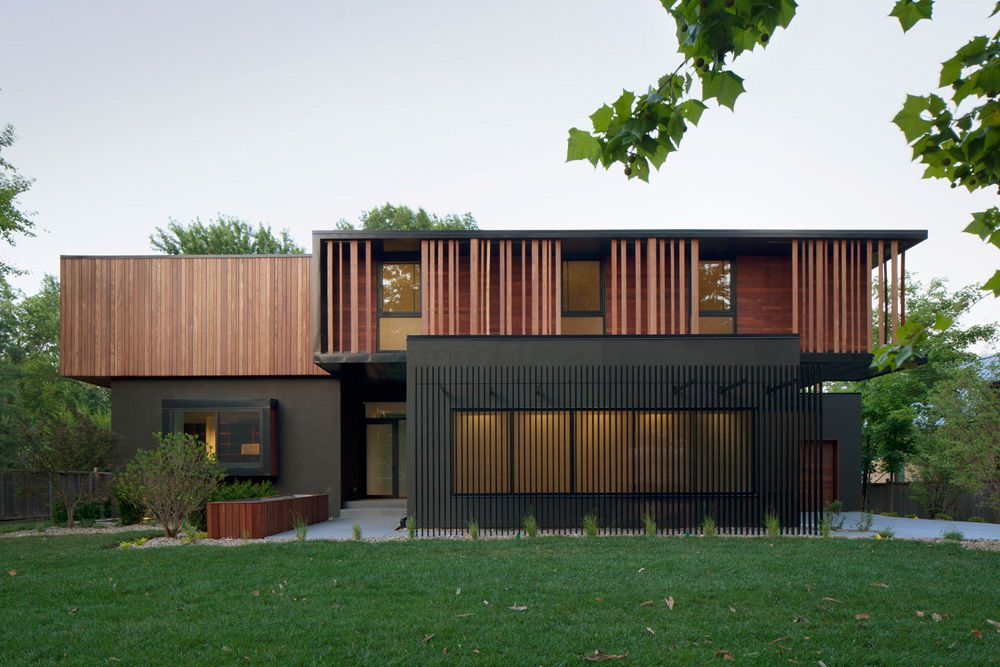
Contemporary Building Appearance
Modern architectural styles frequently emphasize simplicity and precise geometry.
ACM exterior panels support this approach through smooth surfaces, consistent finishes, and carefully arranged joints.
Designers can create balanced elevations without relying on excessive decorative elements.
Creative Color Combinations
Color selection strongly influences how people perceive a building.
Neutral tones can produce a restrained appearance, while contrasting finishes may emphasize entrances, corners, or individual architectural sections.
ACM exterior panels offer finish options that allow designers to develop cohesive visual themes.
Curved and Angular Features
Buildings with distinctive geometry require materials that can accommodate customized shapes.
Depending on their specifications, composite panels can be fabricated into folds, corners, and certain curved configurations.
These capabilities allow architects to explore more expressive facade designs.
Practical Advantages for Construction Projects
Beyond appearance, exterior panel selection affects construction planning.
Easier Material Handling
The relatively lightweight nature of ACM exterior panels can simplify transportation and handling compared with heavier cladding materials.
Actual installation efficiency depends on panel dimensions, site conditions, access equipment, and the selected attachment system.
Consistent Fabrication
Precise fabrication helps achieve uniform panel dimensions and clean edges.
This consistency becomes particularly valuable when a facade includes repeated patterns or large areas of cladding.
Adaptability to Different Buildings
ACM exterior panels can be considered for commercial developments, institutional buildings, and renovation projects.
Each application requires suitable technical evaluation rather than a universal specification.
Weather Resistance and Installation Details
Exterior cladding experiences changing temperatures throughout the year.
Aluminum expands and contracts as temperatures fluctuate. Installers must therefore provide appropriate movement allowances to reduce the risk of distortion.
Joint design also influences the finished facade.
Depending on the wall system, joints may incorporate drainage paths, ventilation spaces, or sealing arrangements.
Wind loads and supporting-frame design are additional considerations, particularly on taller buildings or exposed sites.
Choosing Panels for Long-Term Performance
Panel appearance should never outweigh safety and compliance.
Design teams must verify the suitability of core materials, fire classifications, coating systems, and complete facade assemblies.
Local building regulations may impose specific restrictions based on building height, occupancy, and construction type.
Maintenance planning also deserves attention. Accessible inspection points and suitable cleaning procedures can help preserve the exterior over time.
Conclusion
ACM exterior panels give architects an adaptable way to create contemporary building facades. Their lightweight construction, smooth appearance, and fabrication possibilities support a wide range of architectural ideas. Yet successful exterior cladding requires more than attractive panel selection. Structural engineering, fire-safety compliance, weather-management details, and professional installation all influence performance. By considering these factors together, building teams can develop exterior designs that combine architectural character with practical reliability and long-term visual appeal.
Read More at Kooper Magazine