
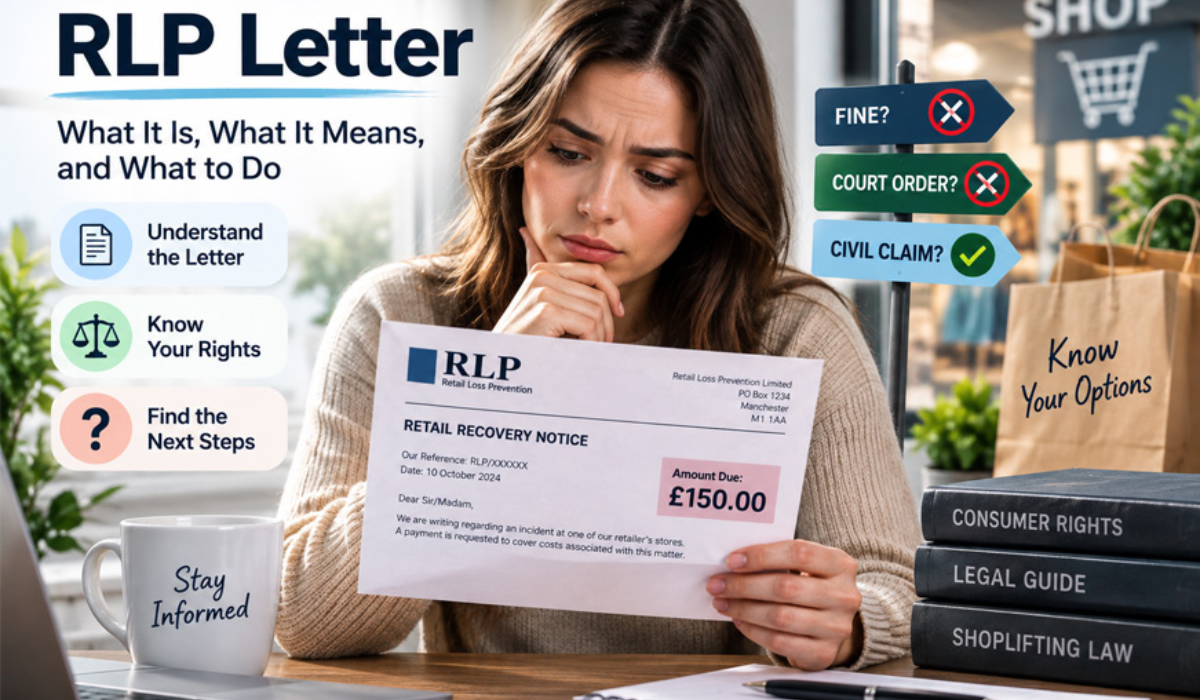
An RLP letter can refer to a formal letter connected with a particular request, process, organization, or administrative requirement, depending on the context in which the term is used. Understanding the meaning, purpose, format, and appropriate wording can help readers prepare a professional document without unnecessary confusion. Because abbreviations can have different meanings across industries, it is important to identify the specific situation before preparing the final document. This guide explains the common uses, structure, writing approach, important details, mistakes to avoid, and practical tips for creating a clear and effective letter.
| Quick Information | Details |
|---|---|
| Term | RLP letter |
| Type | Formal or administrative correspondence |
| Main Purpose | Communication, request, confirmation, or documentation |
| Format | Professional letter format |
| Common Elements | Date, recipient, subject, body, closing |
| Tone | Clear, polite, and professional |
| Best Practice | Verify the specific meaning of RLP before sending |
What Is an RLP Letter?
An RLP letter is generally understood as a formal written communication associated with an RLP-related process or requirement. The exact meaning can change according to the organization, industry, or situation. In some cases, the letter may communicate a request, provide supporting information, confirm details, or respond to an official notice. Readers should avoid assuming that one definition applies everywhere. The safest approach is to review the surrounding documents or instructions and determine what RLP means in that specific context.
Why Is an RLP Letter Important?
An RLP letter can be important because written communication creates a clear record of what was requested, explained, confirmed, or submitted. A well-prepared letter can reduce misunderstandings and make an administrative process easier to follow. It can also demonstrate professionalism when communicating with an institution, employer, agency, business, or other organization. Clear wording is particularly valuable when deadlines, supporting documents, approvals, or formal responses are involved. The letter should therefore focus on accuracy, relevance, and a respectful tone.
Common Purposes of an RLP Letter
The purpose of an RLP letter depends on the circumstances. It may be used to make a formal request, explain a situation, provide clarification, confirm information, submit documentation, or respond to another communication. Before writing, identify exactly what the recipient needs to understand or do. A focused purpose helps prevent unnecessary information from making the document difficult to read. If the letter supports an application or official procedure, the writer should also make sure that all required details and attachments are included.
Who May Need an RLP Letter?
An RLP letter may be relevant to individuals, businesses, employees, applicants, students, organizations, or anyone involved in a process where formal written communication is requested. The intended audience determines how the document should be written. A letter addressed to an institution may require a more formal style than an internal business communication. Regardless of the recipient, the writer should use accurate information and avoid unsupported claims. When instructions are provided by the recipient, those instructions should take priority over a generic template.
Basic Structure of an RLP Letter
A professional RLP letter normally follows a straightforward structure. It begins with the sender’s details and date, followed by the recipient’s information when appropriate. A clear subject line should briefly identify the purpose. The opening paragraph explains why the writer is contacting the recipient. The following paragraphs provide relevant details, evidence, or requests. The final paragraph summarizes the desired outcome and offers any necessary follow-up information. A polite closing and the sender’s name complete the document.
Information to Include
When preparing an RLP letter, include only information that directly supports the purpose of the communication. Important details may include the sender’s name, contact information, date, reference number, relevant account or application information, recipient details, and a concise explanation of the request. If documents are attached, mention them clearly. Dates, names, numbers, and other factual information should be checked carefully before submission. A small factual error can cause unnecessary delays, particularly when the letter is part of an administrative process.
How to Start the Letter
The opening of an RLP letter should immediately establish the reason for writing. A direct introduction is usually more effective than a long background explanation. For example, the writer can state that they are contacting the recipient regarding a specific matter and briefly identify the relevant reference or request. The opening should remain courteous while communicating the purpose clearly. Avoid vague introductions that force the recipient to read several paragraphs before discovering why the letter was submitted.
Writing a Clear Subject Line
A strong subject line makes an RLP letter easier to process because the recipient can quickly understand its purpose. The subject should be short, specific, and relevant to the matter being discussed. If an official reference number or case number exists, it can be included when appropriate. Avoid using dramatic wording, excessive capitalization, or unnecessary details. A professional subject line should help the recipient identify the communication without having to read the entire document first.
Maintaining a Professional Tone
The tone of an RLP letter should normally be professional, respectful, and neutral. Even when the writer is frustrated about a delay or disagreement, aggressive language can weaken the effectiveness of the communication. Use simple sentences and factual explanations instead of emotional statements. Politeness does not require unnecessary formality. The goal is to communicate confidently while remaining respectful toward the recipient. A calm tone is especially helpful when the letter concerns an issue that requires review, correction, approval, or further action.
Keeping the Content Concise
A useful RLP letter should provide enough information for the recipient to understand the situation without becoming unnecessarily lengthy. Each paragraph should have a clear purpose. Remove repeated statements, unrelated background information, and vague wording. If a complicated explanation is necessary, organize it into logical sections or short paragraphs. Concise writing makes important information easier to find and can improve the likelihood that the recipient will understand the requested action quickly.
Supporting Documents and Evidence
Supporting material can make an RLP letter more useful when the recipient needs proof or additional information. Depending on the situation, supporting documents might include identification, forms, receipts, records, correspondence, agreements, or other relevant evidence. Do not attach unrelated documents simply to make the submission appear more complete. Each attachment should have a clear purpose. The letter should briefly identify important attachments so the recipient can determine what has been provided and whether anything else may be required.
Common Mistakes to Avoid
Writers preparing an RLP letter should avoid common errors such as incorrect names, missing dates, unclear requests, poor formatting, excessive repetition, and unsupported statements. Another frequent mistake is using a template without adapting it to the actual situation. Templates can provide structure, but the final document should contain accurate and relevant information. Writers should also check spelling, grammar, contact details, reference numbers, and attachment names before sending the document.
Formatting Recommendations
The formatting of an RLP letter should make the document easy to read. Use a clean professional font, consistent spacing, clear paragraphs, and an appropriate margin structure. Keep the subject line visible and avoid decorative formatting that may distract from the content. If the document is submitted electronically, save it in the format requested by the recipient. A PDF may be appropriate when preserving the original layout is important, but the recipient’s instructions should always be followed.
Digital Submission Tips
Before submitting an RLP letter electronically, check the recipient’s instructions carefully. Confirm the correct email address, online portal, file format, naming convention, and deadline. Make sure all attachments open correctly and are actually included before sending. If the letter contains sensitive information, use the secure submission method specified by the organization rather than sending documents through an unapproved channel. Keep a copy of the final version and confirmation of submission when appropriate.
RLP Letter for a Formal Request
When an RLP letter is used to make a formal request, the requested action should be stated clearly. Explain what you are asking for, why the request is relevant, and what supporting information is available. If there is a deadline, explain it accurately without using threatening language. The final paragraph should make the desired outcome easy to identify. A clear request helps the recipient determine whether they can respond immediately or need additional information.
RLP Letter for Clarification
A clarification-focused RLP letter should identify the information that appears unclear and explain what clarification is needed. Avoid accusing the recipient of making a mistake unless the facts are certain and the situation requires such language. Instead, describe the issue objectively and ask a specific question. If a previous communication caused the confusion, include the relevant date or reference information. This approach can encourage a useful response and prevent unnecessary back-and-forth communication.
RLP Letter for Confirmation
A confirmation-style RLP letter can document an agreement, submission, appointment, decision, or other relevant event. The document should state what is being confirmed and identify the important details. If the recipient needs to correct anything, provide a clear opportunity to do so. Confirmation letters are especially useful when several parties are involved because they create a written record that can be reviewed later. Always ensure that the confirmed information matches the original records.
RLP Letter for Business Communication
In business settings, an RLP letter should reflect the organization’s professional standards. Business correspondence should be direct, organized, and focused on the matter at hand. Include relevant company information only when it helps the recipient understand the communication. If the letter represents a business rather than an individual, the sender should have appropriate authority to make the stated request or confirmation. Consistent formatting can also help establish credibility and make recurring correspondence easier to manage.
RLP Letter for Administrative Matters

Administrative situations often require an RLP letter because organizations need a clear written record. Administrative letters may relate to applications, documentation, requests, corrections, confirmations, or procedural matters. The writer should carefully follow any instructions provided by the organization. If a specific form or template is required, a general letter may not be sufficient by itself. Always check the official requirements before submitting documents, especially when a missed requirement could delay processing.
How to Make the Letter More Effective
To make an RLP letter more effective, start by identifying one clear objective. Next, gather the facts needed to support that objective. Organize the information logically and remove details that do not contribute to the requested outcome. Use straightforward language and explain abbreviations when the recipient may not know them. Before sending, read the document from the recipient’s perspective and ask whether the requested action is obvious. This final review can reveal missing information or confusing statements.
Reviewing Before Submission
A final review is essential before sending an RLP letter. Check the recipient’s name, address, date, reference number, contact information, spelling, grammar, attachments, and requested action. Confirm that the document follows any instructions supplied by the receiving organization. It is also useful to read the letter aloud because awkward wording and repeated information can become easier to notice. A careful review improves professionalism and reduces the risk of having to submit a corrected version later.
When to Use a Template
A template can save time when an RLP letter is required regularly or when the organization provides a recommended format. However, templates should be treated as starting points rather than documents that can be copied without review. Replace every placeholder with accurate information and remove sections that do not apply. If the recipient has provided an official template, use that version whenever possible. A customized document is usually more effective than a generic letter containing irrelevant information.
Difference Between a Letter and an Email
An RLP letter and a formal email can serve similar communication purposes, but they are not always interchangeable. A traditional letter may be required when a physical signature, printed record, or official format is requested. Email is often faster and can be convenient when electronic communication is accepted. The correct option depends on the recipient’s requirements. Never assume that email is acceptable simply because it is more convenient; follow the submission method specified for the particular process.
Privacy and Sensitive Information
When preparing an RLP letter, protect personal and confidential information whenever possible. Include sensitive details only when they are necessary and specifically requested. Avoid placing unnecessary identification numbers, passwords, financial information, or other private data in ordinary correspondence. If secure submission is available, use it. Writers should also verify the recipient before sending the document. Protecting information is part of professional communication and can reduce the risk of accidental disclosure.
Following Up After Submission
After sending an RLP letter, keep a record of the submission date and any confirmation received. If the recipient provides a standard response period, wait until that period has passed before following up unless the matter is urgent. A follow-up message should refer to the original communication and briefly explain what response is being requested. Avoid repeatedly sending the same document without new information. Organized follow-up makes communication easier for both parties.
Practical Checklist
Before submitting an RLP letter, use a simple checklist. Confirm the purpose, recipient, date, subject, factual details, requested action, attachments, formatting, and submission method. Check that the wording is polite and easy to understand. Make sure the final file is the correct version and that no placeholder text remains. If the letter is being submitted for an official process, compare it with the organization’s published requirements. A checklist can prevent small errors from becoming avoidable delays.
Frequently Asked Questions
1. What is the main purpose of an RLP letter?
- Answer: Its purpose depends on the context, but it generally provides formal communication such as a request, clarification, confirmation, or supporting documentation.
2. What should be included in an RLP letter?
- Answer: Include the sender’s details, date, recipient information, subject, purpose, relevant facts, requested action, supporting documents, and professional closing when applicable.
3. Can an RLP letter be sent by email?
- Answer: It can be sent electronically when the receiving organization accepts email submissions; otherwise, follow the required physical or online submission process.
4. How long should an RLP letter be?
- Answer: It should be long enough to explain the matter clearly but concise enough that the recipient can quickly identify the important information and requested action.
5. Should I use a template for an RLP letter?
- Answer: A template can provide useful structure, but it should always be customized with accurate information and adapted to the specific requirements of the recipient.
Final Thoughts
An RLP letter is most effective when it is accurate, focused, professional, and tailored to the specific situation. Because the abbreviation can have different meanings, readers should confirm its intended meaning before preparing an official document. A strong letter clearly explains its purpose, provides relevant information, identifies the requested action, and follows the recipient’s submission requirements. For broader background on formal written communication, readers can also explore as a related resource.