
1. Introduction to Struggling to Find the Words Strands
The Struggling to Find the Words Strands puzzle is a memorable edition of the popular New York Times word game. Released on August 7, 2026, this puzzle challenges players to discover playful expressions used when someone cannot remember the proper name of an object. It combines vocabulary, observation, and creative thinking in an entertaining format. The theme sounds simple, but several unusual answers can make the challenge surprisingly difficult. This guide explains the theme, provides helpful hints, reveals the answers, and shares practical strategies for solving similar puzzles.
Quick Bio Table
| Detail | Information |
|---|---|
| Puzzle name | NYT Strands |
| Theme | Struggling to Find the Words |
| Publication date | August 7, 2026 |
| Puzzle number | #887 |
| Game publisher | The New York Times |
| Puzzle category | Word search |
| Main concept | Informal names for objects |
| Number of theme words | 4 |
| Spangram | WHATCHAMACALLIT |
| Difficulty | Moderately challenging |
2. What Is Struggling to Find the Words Strands?
Struggling to Find the Words Strands refers to the August 7 puzzle theme built around informal expressions people use when they forget an object’s actual name. Words such as gizmo, dingus, and doohickey represent familiar conversational substitutes. Instead of identifying a particular machine or household item, people use these flexible expressions to communicate their meaning. The puzzle turns this everyday experience into a vocabulary challenge. Players must recognize the connection between several unusual words and discover the longer spangram that brings the entire theme together. Forbes+1
3. Understanding the NYT Strands Game
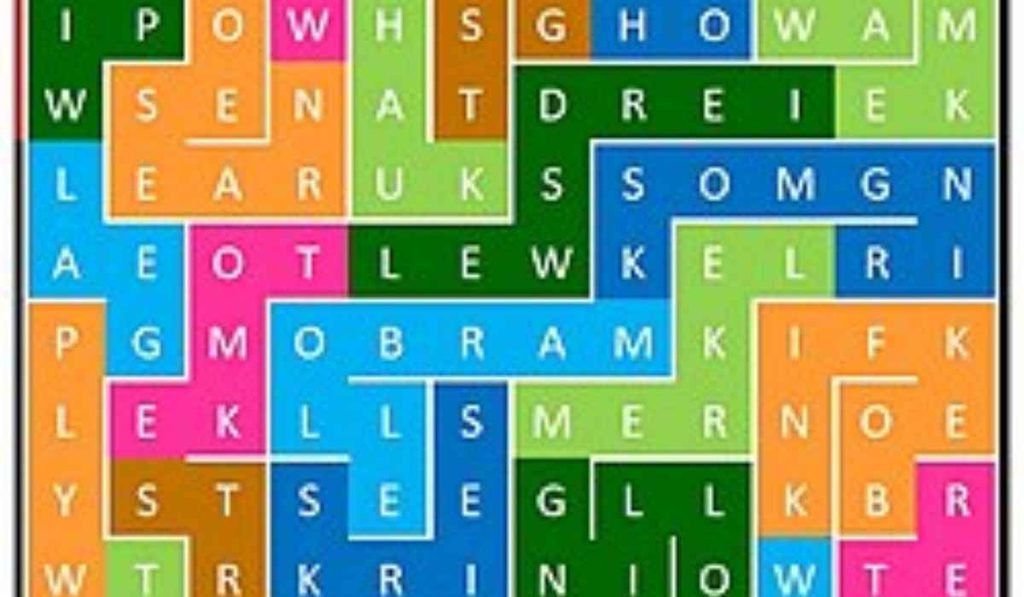
The New York Times Strands is a daily word puzzle that combines traditional word-search mechanics with a hidden theme. Players receive a rectangular letter grid and must connect neighboring letters to form answers. Words can move horizontally, vertically, and diagonally, allowing different paths across the board. Every theme answer relates to the daily subject. The objective is to uncover all the hidden words, including a special answer called the spangram, which summarizes the puzzle’s central idea.
4. Why This Particular Puzzle Is Interesting
The Struggling to Find the Words Strands challenge is interesting because its answers reflect something people experience regularly. Almost everyone has forgotten the name of an object while explaining something to another person. Rather than stopping the conversation, people often invent temporary descriptions or use funny placeholder expressions. This puzzle celebrates that habit through four unusual vocabulary choices. Its humor makes the answers memorable, while the different word lengths create an additional challenge for players searching the grid.
5. The Main Theme Explained
The central theme focuses on words that replace an object’s proper name when someone cannot remember it. These expressions are usually informal rather than technical. Someone might call an unfamiliar device a gizmo or refer to an unidentified object as a thingamajiggy. The words communicate a general meaning without identifying the exact item. Recognizing this relationship is the key to understanding the puzzle. Once players identify the idea behind the theme, finding the remaining answers becomes considerably easier.
6. First Hint for Solving the Puzzle
A useful starting point for Struggling to Find the Words Strands is to think about everyday conversations. Imagine someone pointing toward a small machine but forgetting what it is called. They might describe it as a gadget, gizmo, or doohickey. This mental example provides an important clue about the vocabulary category. Instead of searching randomly for familiar dictionary words, players should focus on playful expressions used as temporary names for objects. This approach makes the hidden connections easier to recognize.
7. The Four Main Theme Answers
The four main theme answers are GIZMO, DINGUS, DOOHICKEY, and THINGAMAJIGGY. Each word represents an informal substitute for the proper name of an object. Some are short and relatively easy to recognize, while others contain many letters and can be difficult to trace through the grid. Together, these expressions establish the puzzle’s humorous personality. Discovering all four answers is necessary to complete the themed portion of the challenge and understand the relationship with its spangram.
8. First Answer: GIZMO
GIZMO is a familiar informal word for a device, gadget, or small mechanical object. People frequently use it when they do not know the technical name of something. It can describe an unfamiliar electronic accessory, a useful household device, or a complicated piece of equipment. Its five-letter length makes it one of the shorter answers in this puzzle. Players familiar with casual English vocabulary may recognize it quickly while examining the available letter combinations.
9. Second Answer: DINGUS
DINGUS is another informal expression used when someone cannot remember or does not know an object’s name. It can also describe a person in a humorous or mildly insulting way, depending on the conversation. In this puzzle, the intended meaning relates to an unidentified thing. Its six letters make it slightly longer than GIZMO. Players should consider its unusual starting letter and look for a connected path rather than assuming every answer will resemble a standard technical term.
10. Third Answer: DOOHICKEY
DOOHICKEY is a playful American English expression for an object whose proper name is unknown or temporarily forgotten. It is commonly used in informal conversations when a speaker needs to identify an item without knowing its exact terminology. The nine-letter word can be more challenging to locate because its length requires following several connected letters. Recognizing the familiar sound of the expression can help players identify it more confidently within the letter grid.
11. Fourth Answer: THINGAMAJIGGY
THINGAMAJIGGY is one of the longest and most unusual answers in the puzzle. It represents an unidentified object or device when someone cannot recall its actual name. Its playful construction makes it sound exaggerated, which fits the humorous theme perfectly. Because it contains thirteen letters, locating the complete sequence can require patience. Players should avoid rushing through the grid and instead examine possible connections carefully. Finding this word is an important step toward completing the puzzle.
12. The Spangram: WHATCHAMACALLIT
The most important discovery in Struggling to Find the Words Strands is the spangram WHATCHAMACALLIT. This fifteen-letter expression describes something whose proper name a person cannot remember. It perfectly summarizes the four theme answers because every word represents a substitute name for an unidentified object. The spangram connects opposite sides of the puzzle board and reveals the central concept. Its unusual spelling makes it an especially satisfying answer for players who enjoy challenging vocabulary.
13. What Does Whatchamacallit Mean?
Whatchamacallit is an informal English expression used when someone forgets the name of a particular object. It allows a speaker to continue explaining something without interrupting the conversation to search for the correct word. For example, someone might say, “Please pass me that whatchamacallit beside the television.” Although the listener may not know the exact object immediately, the surrounding conversation can provide enough information to understand the request.
14. How the Answers Connect Together
The answers in Struggling to Find the Words Strands share one important characteristic: they describe unidentified objects through casual language. GIZMO refers to a device, DINGUS can identify an unspecified thing, DOOHICKEY is a playful substitute name, and THINGAMAJIGGY performs a similar function. WHATCHAMACALLIT summarizes the entire category. Understanding these relationships is more useful than memorizing individual answers because it helps players recognize the theme behind the complete collection.
15. How to Read the Letter Grid
The Strands board contains a collection of letters arranged in a rectangular pattern. Players must connect adjacent letters to create valid words. Unlike ordinary word searches, the answers can change direction several times. This means a word might move diagonally, turn vertically, and then continue horizontally. Learning to follow these connections is essential. Players should examine neighboring letters carefully and avoid assuming that every answer follows a straight line.
16. How to Find the Spangram
Finding the spangram in Struggling to Find the Words Strands becomes easier when players first understand the theme. Start by considering words that describe unidentified objects. Then look for a longer expression that summarizes the same idea. WHATCHAMACALLIT is the central answer for this particular challenge. Since the spangram must connect opposite sides of the grid, its route can be more complicated than an ordinary theme word.
17. Useful Words for Unlocking Hints
Players who struggle to identify theme answers can search for unrelated words to unlock in-game assistance. The game rewards finding three non-theme words containing at least four letters by providing a hint. For this puzzle, suggested examples include DING, MAIL, CHIT, DECK, MOOT, CALL, MALL, TAIL, and TALL. These examples can help players understand how the hint system works, although other valid words may also count. Yahoo Tech+1
18. Why Some Answers Are Difficult to Discover
The Struggling to Find the Words Strands puzzle can be difficult because several answers are uncommon or humorous expressions. Players who primarily search for formal vocabulary may overlook words such as THINGAMAJIGGY. Another difficulty comes from the different answer lengths. Short words can hide among unrelated combinations, while longer expressions may travel through complicated paths. Recognizing the theme before searching for individual answers is one of the most effective ways to overcome these problems.
19. The Importance of Vocabulary Knowledge
Vocabulary knowledge plays an important role in solving word games. Familiarity with everyday expressions helps players recognize possible answers more quickly. However, Strands also encourages people to explore unusual words that they might not regularly use. Learning expressions such as DOOHICKEY and WHATCHAMACALLIT can make future puzzles easier. It also demonstrates how informal language can be just as interesting as traditional dictionary vocabulary when used in a creative puzzle.
20. How to Solve Similar Strands Puzzles
A good strategy for Struggling to Find the Words Strands is to begin with the theme rather than immediately searching for random words. Read the clue carefully and identify its possible meanings. Next, look for familiar words that match those meanings. Examine the letter grid for possible starting letters and follow adjacent connections. If progress stops, use the hint system. This organized approach reduces unnecessary guessing and helps players complete challenging daily puzzles.
21. Start With Shorter Words
Short answers are often easier to discover because they require fewer connected letters. In this puzzle, GIZMO and DINGUS are useful examples of relatively short theme words. Finding them first can help players become familiar with the vocabulary category. After identifying these answers, they can focus on the longer expressions. This method is particularly useful for beginners who find large letter grids overwhelming or struggle to recognize unusual vocabulary.
22. Look for Unusual Letter Combinations
The Struggling to Find the Words Strands challenge demonstrates why unusual letter combinations deserve attention. Words such as DOOHICKEY and THINGAMAJIGGY contain patterns that may stand out once players know what they are searching for. Instead of concentrating exclusively on the first letter, examine combinations of two or three neighboring letters. This technique can reveal possible word paths and make longer answers easier to identify without relying entirely on hints.
23. Use Hints Without Losing the Challenge
Hints are useful when players become stuck, but they should be used strategically. The game provides assistance after players discover three qualifying non-theme words. A hint reveals information about an unsolved theme answer, making it easier to identify the correct path. Players who enjoy solving puzzles independently can spend extra time examining the board before requesting assistance. Those who prefer a quicker experience can use hints whenever progress becomes frustrating.
24. Common Mistakes Players Should Avoid
One common mistake in Struggling to Find the Words Strands is searching for only familiar dictionary words. The theme contains informal expressions that may initially seem unusual. Another mistake is ignoring diagonal connections or assuming words must follow straight lines. Players can also waste time by repeatedly examining the same grid areas. A better strategy is to explore different directions, identify the overall theme, and keep track of letters already included in discovered answers.
25. Why the Puzzle Uses Humorous Language
Humor is an important part of this puzzle’s appeal. Expressions such as DINGUS and THINGAMAJIGGY sound playful and memorable. Their meanings are understandable even when people cannot provide exact definitions immediately. This creates a lighthearted experience that differs from puzzles focused on academic vocabulary or complicated definitions. The theme also reminds players that ordinary conversations are full of creative language, especially when someone temporarily forgets the name of an everyday object.
26. What Players Can Learn From This Puzzle
The Struggling to Find the Words Strands experience offers more than entertainment. It introduces players to informal expressions, encourages flexible thinking, and demonstrates how words can have related meanings despite different spellings. It also teaches players to interpret clues rather than depend on direct definitions. These skills can improve performance in crosswords, word searches, spelling games, and other vocabulary-based activities. Regular practice can gradually improve recognition and problem-solving confidence.
27. Who Should Play NYT Strands?
NYT Strands is suitable for people who enjoy vocabulary challenges, casual brain games, and daily puzzles. Beginners can learn its rules gradually, while experienced word-game fans can challenge themselves with increasingly complicated themes. The Struggling to Find the Words Strands edition is especially enjoyable for players who appreciate humorous expressions and everyday language. Families, students, and adults can all enjoy exploring the hidden words and discussing their meanings.
28. Can Beginners Solve This Puzzle?
Yes, beginners can solve this puzzle by taking a patient and organized approach. Start by reading the theme clue and thinking of words that describe forgotten objects. Search for short answers before attempting longer expressions. If you cannot find a word, use the built-in hint system rather than becoming frustrated. The game does not require advanced linguistic knowledge. Familiarity with ordinary conversational English and careful observation are enough to make meaningful progress.
29. How This Puzzle Improves Problem-Solving Skills
Word puzzles encourage players to examine information from different perspectives. In this edition, the challenge involves connecting letters while understanding the relationship between several informal expressions. Players must remember possible words, test letter combinations, and adjust their approach when an attempt fails. These activities encourage concentration and flexible thinking. Although a daily word game is not a substitute for formal learning, it provides an enjoyable opportunity to practice mental skills.
30. Why Daily Word Games Are Popular
Daily word games are popular because they provide short, accessible entertainment. Players can enjoy a challenge during a break, while traveling, or before starting their daily activities. A new theme also creates a reason to return regularly. NYT Strands offers a different experience from traditional crossword puzzles because its connected-letter format combines visual observation with vocabulary knowledge. The changing themes help keep the experience interesting for returning players.
31. Tips for Completing Future Strands Challenges
The best way to improve is to develop a consistent solving routine. Read the theme carefully, search for familiar expressions, and examine the entire board instead of concentrating on one small section. Remember that words can move in different directions. Keep track of discovered answers and use hints when necessary. Players who practice regularly often become better at recognizing letter patterns and identifying connections between apparently unrelated words.
32. Where to Find More NYT Strands Information
Players interested in Struggling to Find the Words Strands can explore the New York Times Games platform for information about the game and its daily challenges. Puzzle archives and independent word-game guides can also help readers review older solutions. For additional background about the publication, visit the Wikipedia page about The New York Times. Always check the puzzle date when looking for a particular solution because daily answers change.
33. Final Thoughts on Struggling to Find the Words Strands
Overall, Struggling to Find the Words Strands is an entertaining word puzzle that combines humor, vocabulary, and problem-solving. Its four theme answers—GIZMO, DINGUS, DOOHICKEY, and THINGAMAJIGGY—connect naturally with the spangram WHATCHAMACALLIT. The challenge highlights the funny expressions people use when they cannot remember an object’s proper name. Whether you solve it independently or use hints, this edition offers an enjoyable experience and a useful opportunity to discover unusual English vocabulary.
Frequently Asked Questions
1. What is the theme of Struggling to Find the Words Strands?
- The Struggling to Find the Words Strands theme focuses on funny substitute names people use when they forget an object’s actual name.
2. What is the spangram answer? - The spangram is WHATCHAMACALLIT, which summarizes the central idea of Struggling to Find the Words Strands.
3. What are the four theme words? - The answers are GIZMO, DINGUS, DOOHICKEY, and THINGAMAJIGGY, which complete Struggling to Find the Words Strands.
4. When was this Strands puzzle released? - The puzzle was released on August 7, 2026, and Struggling to Find the Words Strands is its official theme clue.
5. How can I solve similar Strands puzzles? - Read the theme, search for connected letters, find shorter answers first, and use hints when necessary to complete Struggling to Find the Words Strands and other daily challenges.