A logo can make or break a polo shirt. When it is done well, an embroidered crest or a crisp printed mark turns a plain garment into something people are proud to wear. When it is done poorly, the result is puckered stitching, cracked ink, or a design that looks slightly crooked every time someone puts the shirt on.
Polo shirts are among the most commonly decorated garments in the world. Businesses, clubs, schools, charities and events all rely on them to carry their branding. Yet polos are more complicated to decorate than they first appear. Their textured knits, button plackets, collars, and varied fabrics all affect how decoration behaves.
This article explains how decoration works on polo shirts, how different groups involved in the process experience it, and what decisions lead to logos that look sharp and last.
Understanding Polo Decoration
The Main Decoration Methods
Polo shirts are usually decorated using one of three approaches.
Embroidery stitches thread directly into the fabric. It has a raised, textured appearance and is widely associated with professional, premium branding.
Screen printing pushes ink through a mesh screen onto the fabric. It is efficient for larger runs and bold designs but is used less often on polos than on T-shirts.
Heat-applied transfers, including vinyl and direct-to-film methods, press a design onto the fabric using heat and pressure. They are useful for detailed, multi-color artwork and for smaller runs.
Why Polos Lean Toward Embroidery
Embroidery is the most common choice for polos. The textured surface of many polo knits can make fine printing difficult, while embroidery sits comfortably on top of the texture. Embroidery also matches the polished image most organizations want when they choose a polo over a T-shirt.
How Fabric Shapes the Result
Cotton Polos
Cotton is generally friendly to decoration. It takes embroidery well, holds its shape during stitching, and accepts many printing methods. The main caution is shrinkage. If a cotton polo shrinks after decoration, the area around the logo can pucker slightly.
Decorators and resellers who prefer a predictable base for embroidery often stock wholesale cotton polos because the natural fiber accepts stitching cleanly and gives logos a classic, matte backdrop that suits corporate and club branding.
Polyester and Performance Fabrics
Polyester polos are popular for their durability and color retention, but they require more care during decoration. Lightweight synthetic knits can pucker if they are not stabilized properly, and some polyester fabrics are sensitive to heat, which matters for transfers.
Blends
Cotton-polyester blends usually decorate well, offering a balance between the stability of cotton and the durability of polyester.
Smooth and Fine Knits
Very smooth or fine knits show every detail of a logo, which can be a strength or a weakness. Clean embroidery looks especially crisp, but any flaws are more visible.
The Influence of Knit Texture
Piqué
Piqué knit has a textured, honeycomb-like surface. Embroidery handles this texture well, but very fine lines or small text can sink into the fabric and lose definition. Designs with slightly bolder elements usually work better.
Jersey
Jersey knit is smooth, similar to T-shirt fabric. It accepts printing more easily than piqué and also takes embroidery well, though it may need stabilization because it is softer and stretchier.
Mesh
Open mesh fabrics can be tricky. Embroidery needs a stable base, and open structures may require additional backing to prevent the design from distorting.
How Decorators Experience Polo Projects
Hooping and Stabilization
Decorators must hold the fabric firmly in place during embroidery. Polos can be harder to hoop than T-shirts because of the placket and the curve of the chest. Choosing the right stabilizer, the backing material placed behind the fabric, is essential to prevent puckering.
Placement Challenges
The standard left-chest logo sits close to the placket. Placing it too close can make it look crowded, while placing it too far away can make it look off-center. Experienced decorators use consistent measurements to keep placement uniform across sizes.
Managing Large Orders
Large polo orders require careful planning. Decorators often test the design on one shirt, confirm placement and stitch quality, and then run production. Consistency across hundreds of shirts depends on that early testing.
How Brands and Organizations Experience Decoration
Choosing the Right Logo Format
Organizations often provide logos designed for print or screens. These may need to be adapted for embroidery, a process called digitizing, which converts artwork into stitch instructions. Simplifying very small details often improves results.
Balancing Visibility and Subtlety
Some organizations want large, highly visible logos. Others prefer small, discreet marks. On polos, smaller chest logos often look more professional, while sleeve or back decoration can add visibility when needed.
Matching Decoration to Purpose
A corporate uniform may call for a refined embroidered logo. A charity event may prefer a bold printed back design for visibility. A sports club may want both a chest crest and a sleeve sponsor logo.
How Buyers Experience the Process
Selecting the Base Garment
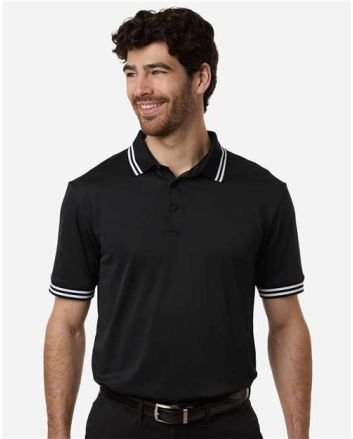
Buyers planning branded polos often start by comparing styles, fabrics, and colors before deciding on decoration. Browsing a broad range of wholesale polo shirts helps them see how options such as piqué versus jersey or cotton versus polyester might affect both appearance and how the logo will look once applied.
Understanding Costs
Embroidery is often priced by stitch count, while printing is priced by colors and locations. Buyers who understand these factors can make choices that balance appearance and budget.
Planning Timelines
Decoration adds time to any order. Buyers should allow for artwork preparation, sample approval, and production.
Choosing Decoration Placement Beyond the Chest
The left chest is the traditional home for a polo logo, but it is not the only option. Thoughtful placement can add visibility and personality without cluttering the shirt.
Sleeve Decoration
The upper sleeve is a popular secondary location. It works well for sponsor marks, department names, flags, or small icons. Because the sleeve is curved and narrow, designs should be compact and simple.
Back Yoke
The area just below the collar on the back, often called the yoke, can carry a website, slogan, or small logo. It is visible when staff walk away or stand at counters.
Full Back
Larger back designs are less common on polos than on T-shirts, but they suit event staff, volunteers, and teams who need to be identifiable from a distance. Printing or heat transfers are often better than embroidery for large areas, since heavy embroidery can make the fabric stiff.
Collar and Placket Details
Some organizations add a small embroidered detail under the collar or near the placket. These subtle touches can make a uniform feel more premium.
When using multiple locations, it helps to keep a clear hierarchy, with one main logo and smaller supporting elements, so the polo still looks balanced.
Important Considerations for Long-Lasting Decoration
Thread Choice
Polyester embroidery thread tends to hold color well through frequent washing. Rayon thread has a high sheen but may be less durable in harsh laundering.
Backing Choice
Cut-away backings provide strong support for stretchy fabrics. Tear-away backings are lighter and easier to remove but may offer less stability.
Heat Settings for Transfers
Heat-applied designs must use temperatures suited to the fabric. Too much heat can scorch or damage synthetic fibers.
Care Instructions
Washing decorated polos inside out, in cool water, and drying them on low heat helps logos last longer.
Putting This Knowledge Into Practice
Start With a Sample
Always decorate a sample before committing to a full order. Check placement, stitch quality, and color accuracy.
Wash Test the Sample
Wash the sample several times to see how both the fabric and decoration hold up.
Keep Records
Record the garment style, color, thread colors, logo size, and placement. This makes reorders consistent.
Communicate Clearly
Buyers and decorators should agree on logo size, placement, and colors in writing before production.
Common Mistakes in Polo Decoration
Using Overly Detailed Logos
Tiny text and fine lines often lose clarity in embroidery, especially on textured knits.
Skipping Stabilization
Without proper backing, polos can pucker around the logo.
Ignoring Fabric Sensitivity
Applying high heat to synthetic polos can damage the fabric or cause shine marks.
Inconsistent Placement
Logos placed differently across sizes or orders make teams look mismatched.
Choosing Thread Colors Without Testing
Thread colors can look different on fabric than on screen. Testing ensures accurate brand colors.
Why Decoration Quality Matters
The logo is often the most noticed part of a branded polo. It represents the organization every time the shirt is worn. Poor decoration can make even a high-quality polo look cheap, while excellent decoration can elevate a simple garment.
For businesses, clubs and events, investing in good decoration protects their brand image. For decorators, consistent quality builds trust and repeat business.
Conclusion
Decorating polo shirts requires an understanding of both fabric and technique. Cotton, polyester, blends, and different knit textures all influence how embroidery, printing, and transfers perform. Decorators must manage hooping, stabilization, and placement. Brands must prepare suitable artwork and choose decoration that fits their purpose. Buyers must select base garments and plan timelines thoughtfully.
By testing samples, choosing suitable threads and backings, matching decoration methods to fabrics, and caring for finished shirts properly, everyone involved can produce branded polos that look professional and last.
FAQs:
Q1:What is the best way to decorate a polo shirt?
Embroidery is the most common method because it suits textured polo knits and gives a professional, long-lasting finish.
Q2:Can you screen print on polo shirts?
Yes, but textured piqué knits can make fine printing difficult. Smoother jersey polos generally print more easily.
Q3:Why does embroidery sometimes pucker on polos?
Puckering often happens when the fabric is not properly stabilized or hooped, especially on stretchy or lightweight knits.
Q4:How should decorated polos be washed?
Wash them inside out in cool water and dry on low heat to protect both the fabric and the decoration.