1. Introduction to Annapolis Bobsled Ottoman
The phrase Annapolis bobsled ottoman may look like an unusual combination of unrelated words, but it represents an interesting wordplay challenge from the popular New York Times Connections puzzle. Each word has a different meaning, making the connection difficult to recognize at first. Annapolis is a city, a bobsled is used in winter sports, and an ottoman is a piece of furniture. However, their spelling reveals a clever hidden pattern. Understanding this relationship helps puzzle enthusiasts improve their vocabulary, recognize unusual word combinations, and develop stronger problem-solving skills.
| Quick Information | Details |
|---|---|
| Keyword | Annapolis Bobsled Ottoman |
| Topic | NYT Connections puzzle |
| Puzzle type | Word association |
| Main concept | Palindromic names |
| Difficulty | Challenging |
| Related words | Annapolis, Bobsled, Everest, Ottoman |
| Main skill | Pattern recognition |
| Popular category | Word puzzles |
| Related concept | Palindrome |
2. What Is the Annapolis Bobsled Ottoman Connection?
The connection behind Annapolis bobsled ottoman is based on the first few letters of each word. Instead of looking at their meanings, players must examine their spelling and identify smaller names hidden at the beginning. Annapolis begins with ANNA, Bobsled starts with BOB, Everest starts with EVE, and Ottoman begins with OTTO. These four names share an important characteristic: they are palindromes. This means their letters remain identical when read backward. The puzzle becomes easier once players understand that the complete words are not the actual connection.
3. Understanding the NYT Connections Game
New York Times Connections is a popular daily word puzzle that challenges players to organize sixteen words into four groups. Each group contains four words connected by a shared characteristic. Some categories are straightforward, while others require creative thinking and careful observation. The puzzle encourages players to recognize relationships between vocabulary, expressions, names, and spelling patterns. The Annapolis Bobsled Ottoman combination belongs to the more challenging style of wordplay because the answers do not share an obvious subject. Instead, the solution depends on identifying a hidden feature within each word.
4. Why These Four Words Look Unrelated
One reason Annapolis bobsled ottoman is difficult to solve is that the words represent completely different things. Annapolis is a geographical location, bobsled refers to sporting equipment, Everest is a famous mountain, and an ottoman describes furniture or a historical term. Most players initially search for a connection involving geography, sports, mountains, or household objects. Unfortunately, these categories do not explain all four words. The trick is to stop focusing on their definitions and start examining their first letters. This change in perspective reveals the actual relationship.
5. Annapolis and the Hidden Name Anna
Annapolis is a city in Maryland, United States, known for its maritime history and historic architecture. However, its role in this puzzle is connected to the letters at the beginning of its spelling. The first four letters form ANNA, a familiar personal name that reads identically from both directions. This makes it a palindrome. The remaining letters are not important for identifying the category. Recognizing this smaller word is the first step toward understanding why an apparently geographical answer belongs in a wordplay group.
6. Bobsled and the Name Bob
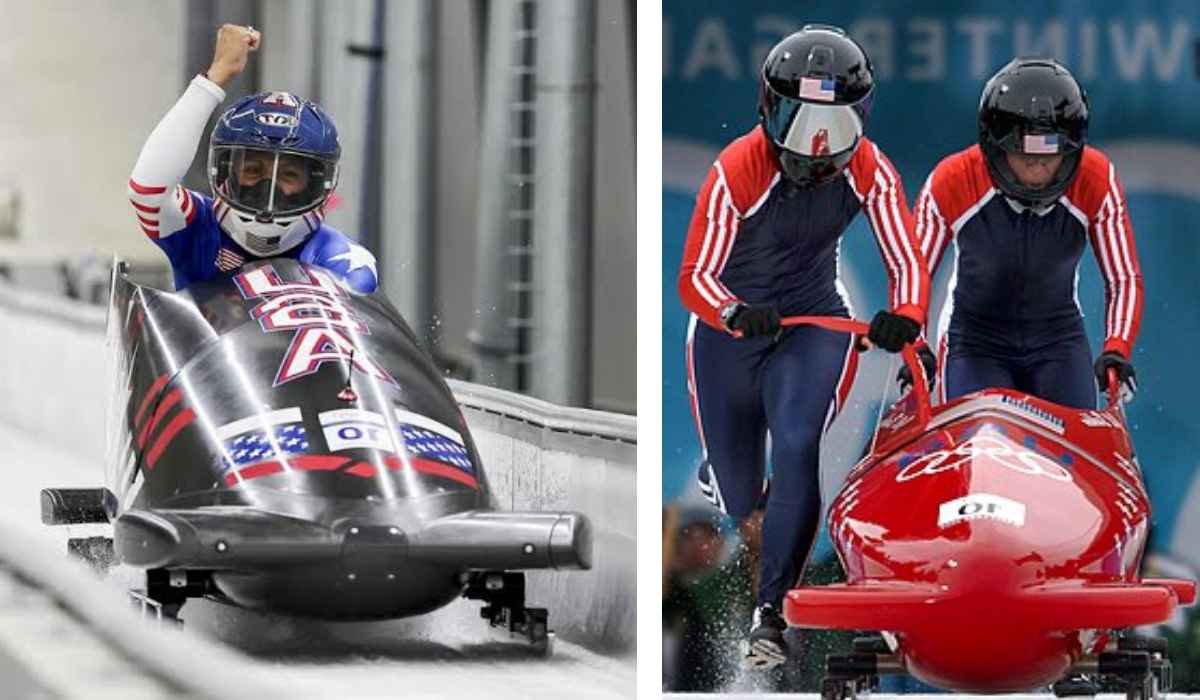
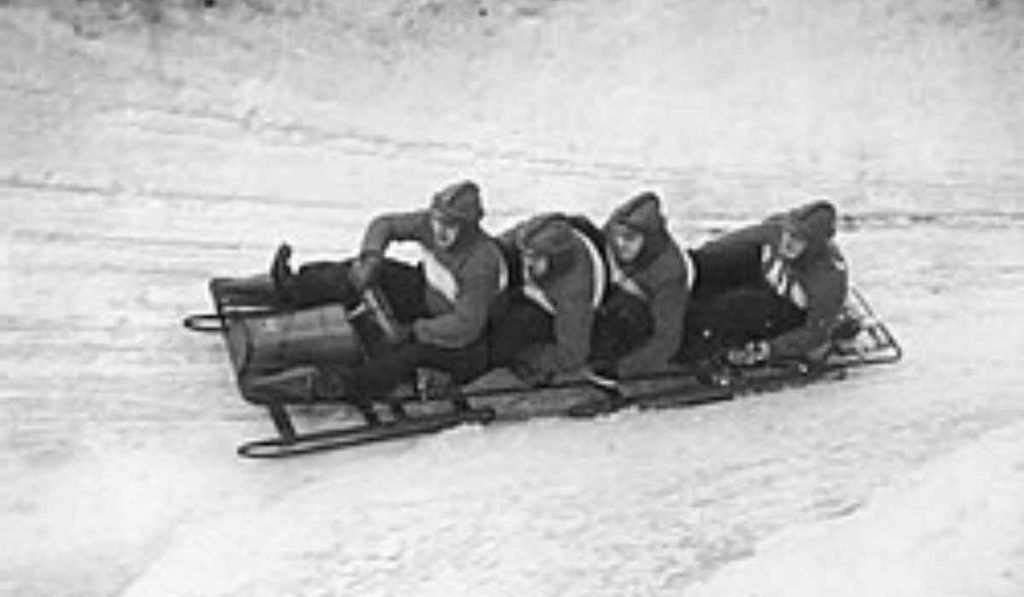
A bobsled is a specially designed vehicle used in competitive winter sports. Athletes ride inside it while traveling down an icy track at high speeds. Although the word normally makes people think about winter competitions, its spelling contains another interesting feature. The first three letters form BOB, a short personal name that reads the same forward and backward. This small discovery connects the sporting term with the other puzzle entries. Players who focus only on the sporting meaning may overlook this important detail.
7. Everest and the Name Eve
Mount Everest is widely recognized as the highest mountain above sea level. Its name is associated with mountaineering, exploration, and some of the world’s most challenging climbing expeditions. Nevertheless, the puzzle uses a completely different aspect of its spelling. The opening letters EVE create a personal name that is also a palindrome. Like ANNA and BOB, the letters remain unchanged when reversed. This example demonstrates how ordinary vocabulary can hide a second meaning that becomes important in word association games.
8. Ottoman and the Name Otto
An ottoman is commonly understood as a padded piece of furniture used as a footrest, extra seat, or decorative accessory. The word can also refer to the historical Ottoman Empire. In this puzzle, however, its opening letters provide the important clue. OTTO is a personal name that reads identically in both directions. It therefore belongs to the same spelling category as ANNA, BOB, and EVE. Once players recognize this pattern, the seemingly unrelated words become part of one understandable group.
9. What Is a Palindrome?
A palindrome is a word, number, phrase, or sequence that remains the same when read from left to right and right to left. Common examples include words such as LEVEL, RADAR, and CIVIC. Personal names can also follow this structure. ANNA, BOB, EVE, and OTTO are recognizable examples of palindromic names. This concept is central to understanding the puzzle because the connection does not depend on the full words. Instead, it depends on smaller letter sequences located at their beginnings.
10. The Four Hidden Names Explained
The four important names are ANNA, BOB, EVE, and OTTO. Each name satisfies the definition of a palindrome because reversing its letters produces exactly the same spelling. Annapolis contains ANNA, Bobsled contains BOB, Everest contains EVE, and Ottoman contains OTTO. This creates a consistent relationship across all four entries. The clever part is that the full words have unrelated meanings. Players must separate the opening letters from the remaining letters before the category becomes clear.
11. Why the Purple Category Is Challenging
In Connections, the purple category is generally designed to test more advanced wordplay skills. Players may understand every individual word but still struggle to identify the relationship between them. The Annapolis Bobsled Ottoman group illustrates this difficulty because the four answers do not belong to a common subject area. Instead, their connection requires recognizing a hidden sequence of letters. This approach rewards patience, attention to detail, and the willingness to consider alternatives when an obvious semantic category does not work.
12. How to Recognize Hidden Word Patterns
Recognizing hidden patterns requires examining words from different perspectives. Start by reading each word normally and identifying its basic definition. If no clear connection appears, inspect the first and last letters. Look for smaller words, familiar names, abbreviations, repeated sequences, or recognizable expressions. You can also reverse short letter combinations to test whether they form palindromes. These techniques are useful for solving difficult word puzzles because they help reveal relationships that are not immediately visible.
13. The Importance of Looking Beyond Definitions
Word definitions are useful, but they do not always provide the answer in a word association game. Some puzzles deliberately combine words from different subjects to prevent players from finding an easy category. A city, sporting object, mountain, and furniture item may appear completely unrelated when considered individually. However, their spelling can reveal a shared characteristic. Learning to examine both meaning and structure makes puzzle solving more effective and encourages players to approach unfamiliar challenges with an open mind.
14. Complete NYT Connections Category Explanation
The July 28, 2026, Connections puzzle included four different categories. The yellow group involved words associated with taking command, while the green group contained apple varieties. The blue category featured footwear brands beginning with the letter C. The final purple group involved words beginning with palindromic names. The four groups were CAPTAIN, DIRECT, HEAD, LEAD; EMPIRE, FUJI, GALA, HONEYCRISP; CAMPER, CLARKS, CONVERSE, CROCS; and ANNAPOLIS, BOBSLED, EVEREST, OTTOMAN. HintCorner+1
15. Understanding the Other Three Categories
The other categories provide useful context for understanding the complete puzzle. The command category includes words that can describe taking charge or directing people. The apple category features four recognizable varieties, while the footwear category groups brands that begin with C. Each group uses a different kind of association. Some rely on definitions, others on product knowledge, and the final category depends on spelling. This variety is what makes Connections entertaining for players with different vocabulary and general knowledge backgrounds.
16. Common Mistakes Players Make
One common mistake is trying to connect every word through its ordinary definition. This can lead to incorrect assumptions and unnecessary guesses. Another mistake is choosing words because they share a broad topic rather than a precise relationship. Players might connect Annapolis and Everest because both are geographical names, but that approach does not explain the other entries. The better strategy is to find a rule that applies consistently to all four words. Testing the rule against every entry can prevent avoidable mistakes.
17. A Step-by-Step Strategy for Solving the Puzzle
Start by reading all sixteen words and identifying obvious relationships. Next, select the words that share the strongest and most specific connection. After completing an easy category, examine the remaining entries again. If the words appear unrelated, look for patterns involving prefixes, suffixes, repeated letters, and hidden names. The Annapolis Bobsled Ottoman group demonstrates why this strategy works. Instead of guessing randomly, players can test each possible connection and select the explanation that fits every word.
18. How Vocabulary Improves Puzzle Performance
A strong vocabulary makes word puzzles easier because players can recognize more meanings and relationships. Learning unfamiliar words also helps identify alternative interpretations that may be important in difficult categories. For example, knowing that an ottoman is a type of furniture prevents confusion about its everyday meaning, while understanding the definition of a palindrome reveals the hidden spelling pattern. Reading regularly, solving daily puzzles, and exploring word origins can gradually improve vocabulary and make challenging categories more approachable.
19. Why Word Association Games Are Popular
Word association games are popular because they combine entertainment with mental challenges. They give players an opportunity to test their vocabulary, reasoning abilities, and creativity without requiring specialized equipment. Daily puzzles also create a routine that people can enjoy individually or discuss with friends and family. The satisfaction of discovering a hidden connection makes the experience rewarding. Difficult categories are especially memorable because their solutions often seem obvious once the underlying rule has finally been identified.
20. Benefits of Playing Connections Regularly
Regularly playing Connections can encourage careful reading, logical thinking, and attention to detail. Players learn to compare different possibilities and identify relationships between seemingly unrelated concepts. These activities can provide an enjoyable form of mental engagement during free time. The game also introduces people to unfamiliar vocabulary and interesting language patterns. Although no puzzle guarantees improvements in overall intelligence, practicing these skills can make everyday word challenges more enjoyable and encourage curiosity about language.
21. How Beginners Can Practice Palindromes
Beginners can practice palindromes by starting with short and familiar examples. Write down words such as BOB, EVE, ANNA, LEVEL, and RADAR. Read each word forward and then backward to check whether the spelling remains unchanged. Once the basic concept becomes familiar, try identifying palindromic names inside longer words. This exercise is particularly useful for difficult Connections categories because it teaches players to inspect individual letter sequences rather than relying entirely on the meaning of complete words.
22. Using the Puzzle as a Learning Opportunity
Every difficult puzzle offers an opportunity to learn something new. Players who discover the connection between Annapolis, Bobsled, Everest, and Ottoman may become interested in palindromes, word construction, and the origins of familiar names. They may also begin noticing similar patterns in everyday vocabulary. Keeping a small list of interesting words and their meanings can make future puzzles easier. Over time, these small learning experiences can build a stronger understanding of language and improve confidence when solving unfamiliar word challenges.
23. The Role of Critical Thinking
Critical thinking involves examining information carefully, comparing possible explanations, and choosing conclusions supported by evidence. This skill is particularly useful in word puzzles because several answers may appear reasonable at first. A successful solution must explain every word rather than just a few of them. When players identify ANNA, BOB, EVE, and OTTO, they discover a rule that works consistently across all four entries. This demonstrates the importance of testing an idea instead of accepting the first possible connection.
24. Why This Word Group Is Memorable
The group is memorable because it combines four words from completely different subjects. A historic American city, a winter sports vehicle, a famous mountain, and a piece of household furniture have little in common at first glance. Their shared feature exists entirely within their spelling. This unexpected relationship creates a satisfying moment of discovery. Players often remember such categories because they demonstrate how language can contain surprising patterns that are easy to overlook during ordinary reading.
25. Tips for Avoiding Incorrect Guesses
Avoid submitting a group simply because its words seem loosely related. First, identify the exact rule connecting them. Check whether every selected word follows that rule without exceptions. If an explanation works for three words but not the fourth, continue searching. Also, pay attention to words with multiple meanings because they can create misleading connections. A careful approach is usually more effective than rushing. Taking a short break and returning with a fresh perspective can also help reveal hidden relationships.
26. Where to Find More Daily Word Puzzles
Players interested in similar challenges can explore the official New York Times Games platform, which offers Connections and other word-based activities. Daily puzzles provide new opportunities to practice vocabulary, logical thinking, and pattern recognition. Other word games can also help players become familiar with anagrams, spelling structures, and hidden expressions. Choosing puzzles with different difficulty levels can keep the experience interesting while allowing beginners and experienced players to develop their skills at a comfortable pace.
27. The Difference Between a Palindrome and a Regular Word
A regular word does not necessarily have the same spelling when read backward. For example, MOUNTAIN and FURNITURE have different reversed letter sequences. A palindrome, however, remains identical in both directions. This distinction is important because the four puzzle entries are not complete palindromes. Only their opening names satisfy the palindrome rule. Understanding this difference prevents confusion and helps explain why the category focuses on palindromic names rather than entire words.
28. Why Pattern Recognition Matters
Pattern recognition allows people to identify repeated features and relationships in information. In word games, these features may involve letter positions, sounds, meanings, or grammatical structures. Players who regularly search for such patterns become more comfortable exploring different explanations. The important lesson from this puzzle is that the first apparent meaning of a word may not be the only useful clue. Examining the structure of language can reveal connections that remain hidden during ordinary reading.
29. Final Thoughts on Annapolis Bobsled Ottoman
The Annapolis Bobsled Ottoman puzzle is an excellent example of creative wordplay. Its four main entries initially appear unrelated, but their first letters reveal ANNA, BOB, EVE, and OTTO. These names are all palindromes, providing the precise connection needed to solve the difficult category. The puzzle also demonstrates why players should examine spelling patterns instead of relying exclusively on definitions. For additional learning, readers can explore the Wikipedia article about palindromes and visit the official NYT Connections game to practice similar challenges.
30. Frequently Asked Questions (FAQs)
1. What does Annapolis Bobsled Ottoman mean?
– It refers to a Connections word group whose words begin with palindromic names.
2. What is the connection between Annapolis and Bobsled?
– Annapolis begins with ANNA, while Bobsled begins with BOB. Both are palindromic names.
3. Why is Everest included in this word group?
– Everest begins with EVE, which reads the same forward and backward.
4. What makes Ottoman part of the same category?
– Ottoman starts with OTTO, a name that is a palindrome.
5. What is a palindrome in word puzzles?
– A palindrome is a word or sequence that reads identically from left to right and right to left.
Additional Learning Resource: To understand this wordplay in greater detail, explore Wikipedia: Palindrome for definitions, examples, and the history of palindromic words.