Introduction
A properly functioning drainage system is essential for maintaining a clean, comfortable, and hygienic home. Kitchen sinks, bathroom drains, showers, toilets, and outdoor pipes all depend on clear passageways to remove wastewater efficiently. When debris, grease, hair, soap residue, and other materials accumulate inside pipes, water may drain slowly or stop flowing completely. Understanding the causes of these problems and knowing how to address them can save homeowners time, money, and unnecessary frustration. Regular maintenance, safe cleaning techniques, and professional assistance when necessary help protect plumbing systems and prevent expensive repairs.
Quick Bio Table
| Category | Details |
|---|---|
| Topic | Drain Cleaning |
| Industry | Plumbing and Home Maintenance |
| Main Purpose | Removing blockages and maintaining pipes |
| Common Problems | Grease, hair, soap, dirt, and debris |
| Main Locations | Kitchens, bathrooms, toilets, and outdoor drains |
| Common Tools | Plunger, drain snake, brush, and hydro-jetting equipment |
| Professional Service | Residential and commercial plumbing |
| Main Benefit | Better drainage and improved hygiene |
1. What Is Drain Cleaning?
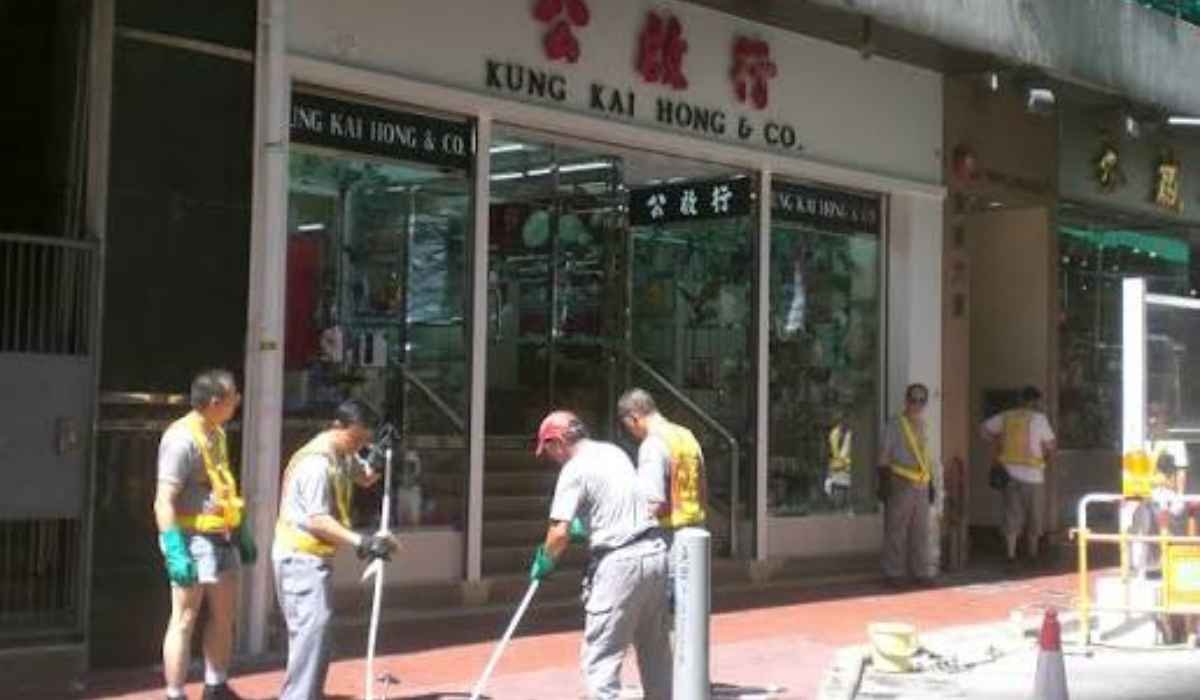
Drain cleaning is the process of removing unwanted materials, buildup, and obstructions from plumbing pipes. It helps wastewater move freely through sinks, showers, toilets, and other drainage systems. Over time, everyday activities introduce grease, hair, food particles, soap residue, and dirt into pipes. These substances can collect along internal surfaces and gradually restrict water flow. Proper maintenance keeps drainage systems working efficiently and reduces the possibility of unexpected plumbing problems.
2. Why Is Regular Drain Maintenance Important?
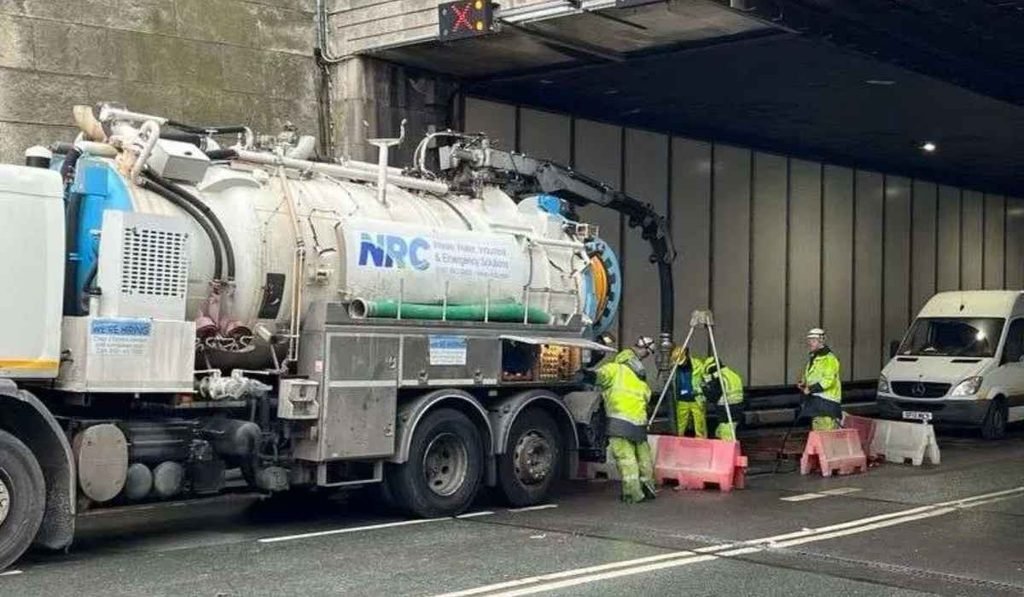
Regular drain maintenance protects a property’s plumbing system from preventable blockages. When pipes remain clear, wastewater can leave the building without creating unpleasant smells, standing water, or unnecessary pressure. Maintenance also helps homeowners notice small problems before they become expensive emergencies. A consistent cleaning routine can improve household hygiene and reduce disruption in kitchens and bathrooms. It is generally easier to prevent a serious blockage than to deal with a completely blocked pipe.
3. Common Causes of Blocked Drains
Blocked drains develop for several reasons, depending on the location and daily usage of a plumbing system. Kitchen pipes commonly collect cooking grease, oil, and food scraps. Bathroom drains often become restricted by hair, soap residue, and personal care products. Outdoor drainage systems may collect leaves, mud, roots, and other debris. Sometimes, damaged pipes, poor installation, or mineral deposits contribute to recurring problems. Understanding the cause helps determine the most appropriate solution.
4. Signs Your Drain Needs Attention
Slow-moving water is one of the earliest signs that a pipe may be developing a blockage. Other warning signs include bubbling sounds, unpleasant smells, repeated backups, and water collecting around floor drains. Some problems affect several fixtures simultaneously, suggesting that the obstruction may be deeper in the plumbing system. Homeowners should pay attention to these changes instead of ignoring them. Early action can prevent a minor restriction from becoming a major plumbing emergency.
5. Kitchen Drain Maintenance
Kitchen drainage systems handle water, grease, food residue, and washing products every day. These materials can gradually accumulate inside pipes, especially when food scraps and cooking oil are regularly washed away. A sink strainer can capture larger particles before they enter the plumbing system. Homeowners should also wipe greasy cookware with paper towels before washing it. Routine sink maintenance reduces buildup and helps prevent unpleasant smells. Avoid pouring hot cooking oil directly into the drain.
6. Bathroom Drain Care
Bathroom drains frequently collect hair, soap residue, shampoo, toothpaste, and other personal care products. Hair can become tangled around internal pipe surfaces, creating a structure that catches additional debris. Installing a removable drain cover is a simple way to reduce this problem. Cleaning the cover regularly and removing visible material helps maintain proper water flow. If water continues to drain slowly despite basic maintenance, a deeper obstruction may require suitable plumbing equipment.
7. Different Types of Drainage Systems
Properties contain several drainage systems designed for specific purposes. Kitchen drains carry wastewater from sinks and dishwashing areas, while bathroom drains remove water from showers, bathtubs, and washbasins. Toilet drainage systems transport waste through larger pipes connected to the sewer or septic system. Outdoor drains collect rainwater and help prevent water accumulation around buildings. Each system has different maintenance requirements, so identifying the affected pipe is important before selecting a cleaning method.
8. Essential Tools for Clearing Drains
Several tools can help remove simple household blockages. A plunger creates pressure that may loosen obstructions near a drain opening. A hand-operated drain snake can reach farther into a pipe and retrieve or break apart certain materials. Drain brushes are useful for cleaning removable covers and accessible sections. Protective gloves, buckets, and suitable eye protection also make maintenance safer. The correct tool depends on the blockage, pipe material, and accessibility of the affected area.
9. How to Use a Plunger
A plunger is a practical first option for certain sink, shower, and toilet blockages. Choose a suitable plunger that creates a good seal around the opening. Add enough water to cover the rubber cup when necessary, then position it securely over the drain. Use controlled movements to create pressure without splashing wastewater. Repeat carefully and check whether water begins flowing normally. Avoid plunging if chemical cleaner has already been added, because dangerous splashes may occur.
10. Using a Drain Snake
A drain snake is a flexible tool designed to reach obstructions located farther inside pipes. The user carefully feeds the cable into the opening and rotates it according to the manufacturer’s instructions. Its tip may catch hair, loosen accumulated material, or break apart certain blockages. Once the obstruction is reached, the cable should be withdrawn slowly and cleaned appropriately. Avoid forcing the tool because excessive pressure may damage pipes or become trapped inside complicated plumbing connections.
11. Safe Methods for Cleaning Household Drains
Simple household maintenance can prevent many everyday drainage problems. Remove visible debris from strainers, clean accessible drain covers, and flush fixtures according to their plumbing requirements. Mechanical tools are often preferable for straightforward obstructions because they avoid introducing corrosive chemicals into pipes. Always consider the pipe material and follow equipment instructions. If the blockage is difficult to reach or repeatedly returns, professional inspection can identify the underlying cause more effectively.
12. Understanding Chemical Drain Cleaners
Chemical Drain cleaning are designed to break down certain substances that restrict water movement. However, their effectiveness depends on the product formulation and the type of blockage. Some contain highly corrosive ingredients that can cause serious skin and eye injuries. Incorrect use may also affect plumbing components or create dangerous conditions for anyone working on the pipe afterward. Read the manufacturer’s instructions carefully, wear the recommended protective equipment, and consider mechanical alternatives before using strong chemical products. Poison Control+1
13. Important Chemical Safety Precautions
Never mix different cleaning products in an attempt to create a stronger solution. In particular, combining bleach with acidic cleaners, ammonia, or other incompatible products can release toxic gases. Different drain cleaners may also react dangerously when combined. Keep products in their original containers, provide ventilation, and follow all label instructions. If one product fails, do not pour another chemical into the same drain. Seek professional advice instead. Working Safely+1
14. Natural Cleaning Methods and Their Limitations
Many homeowners prefer simple household methods because they are inexpensive and easy to access. Warm water may help remove some fresh, water-soluble residue, while manually removing visible debris can restore flow in accessible areas. Baking soda and vinegar are frequently discussed as homemade solutions, but their reaction should not be considered a reliable way to remove serious obstructions. These methods cannot repair damaged pipes or guarantee the removal of deep blockages. Use appropriate mechanical methods when necessary.
15. Professional Plumbing Services
Professional plumbers have specialized equipment and experience for handling difficult drainage problems. They can inspect pipe connections, identify obstruction locations, and choose a suitable removal technique. Their services may include mechanical cleaning, camera inspections, and high-pressure water equipment. Professionals are particularly useful when several fixtures are affected, wastewater is backing up, or blockages repeatedly return. Hiring a qualified technician can help prevent accidental pipe damage and provide a more reliable long-term solution.
16. What Is Hydro Jetting?
Hydro jetting is a professional plumbing technique that uses controlled high-pressure water to remove buildup from suitable pipes. Specialized equipment directs water through a hose and nozzle to break apart accumulated grease, sediment, and certain other obstructions. It can also clean material attached to internal pipe walls. However, it is not appropriate for every plumbing system. A professional should assess pipe condition, material, and structural integrity before deciding whether this method is suitable.
17. The Role of CCTV Pipe Inspection
Camera inspection allows plumbers to examine the inside of drainage pipes without immediately digging or removing major plumbing sections. A small waterproof camera travels through the pipe and sends images to a viewing screen. This helps identify blockages, cracks, corrosion, root intrusion, and damaged connections. Inspection can be especially useful when the same problem keeps returning. Accurate information about pipe condition allows technicians to recommend targeted repairs instead of relying on guesswork.
18. Preventing Grease Buildup
Grease is a common reason kitchen drainage systems become restricted. Cooking oil and fats may appear liquid when warm but can cool and attach to pipe surfaces. Additional food particles may become trapped in these deposits, gradually reducing the available space for wastewater. Dispose of used cooking oil in an appropriate container rather than pouring it into the sink. Wiping greasy pans before washing them is another simple habit that can protect household plumbing.
19. Preventing Hair and Soap Blockages
Hair and soap residue frequently combine to create stubborn bathroom obstructions. Installing a suitable drain screen helps collect hair before it enters the plumbing system. Remove collected material frequently and clean the screen with an appropriate household cleaning method. Avoid pushing hair farther into the pipe while removing it. Regular attention to bathroom fixtures can reduce unpleasant odors, slow drainage, and the need for more complicated plumbing interventions.
20. Outdoor Drain Maintenance
Outdoor drains are exposed to leaves, mud, dust, stones, and seasonal debris. These materials can collect around drainage grates and restrict the movement of rainwater. Inspect outdoor openings periodically, especially after storms or heavy rainfall. Remove accessible leaves and dirt while avoiding damage to covers or underground connections. If water remains around the property despite clearing the visible opening, a deeper obstruction or damaged underground pipe may require professional attention.
21. Commercial Drainage Maintenance
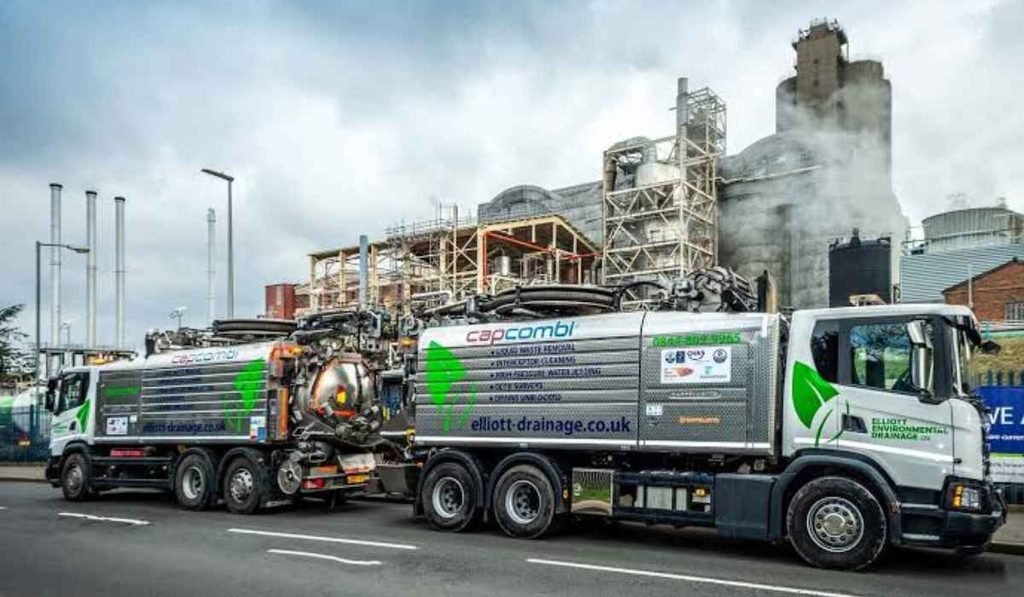
Commercial properties often have more demanding drainage requirements than ordinary homes. Restaurants, hotels, offices, schools, and industrial buildings may experience frequent wastewater usage and greater quantities of grease, sediment, or other debris. A planned maintenance schedule can help reduce unexpected disruptions. Businesses should identify high-use fixtures, maintain appropriate waste disposal procedures, and arrange professional inspections when necessary. Reliable plumbing supports cleanliness, customer comfort, workplace safety, and normal daily operations.
22. How Often Should Drains Be Cleaned?
There is no single maintenance schedule suitable for every property. Cleaning requirements depend on pipe age, household size, water usage, local conditions, and the types of materials entering the system. Frequently used kitchen and bathroom fixtures may need more regular attention than occasional-use drains. Instead of waiting for a complete blockage, inspect strainers and accessible openings routinely. Professional maintenance should be based on the property’s plumbing condition and any recurring drainage symptoms.
23. Common Drain Cleaning Mistakes
Several mistakes can make plumbing problems worse. Pouring cooking grease into sinks, flushing unsuitable materials, and ignoring slow drainage can contribute to recurring blockages. Using excessive force with a drain snake may damage pipes, while repeatedly applying harsh chemicals can create additional safety risks. Another common mistake is treating symptoms without identifying the actual cause. A careful inspection and appropriate cleaning method are more effective than repeatedly trying random household remedies.
24. When Should You Call an Emergency Plumber?
Certain plumbing problems require immediate professional attention. Sewage backing up into living areas, significant water leakage, overflowing fixtures, and multiple blocked drains can indicate serious system problems. Stop using affected fixtures and avoid contact with contaminated wastewater. If chemicals have already been used, inform the plumber before they begin working. Quick professional assistance can reduce property damage, protect household hygiene, and help restore normal drainage as safely as possible.
25. Benefits of Preventive Plumbing Maintenance
Preventive maintenance helps property owners avoid many common drainage problems. Regular inspections can reveal developing restrictions, damaged fittings, and other issues before they become major repairs. Good household habits also reduce the amount of grease, hair, and debris entering pipes. A properly maintained drainage system supports comfortable daily living and reduces the likelihood of unpleasant odors and wastewater backups. Investing time in prevention is often more convenient than dealing with an unexpected plumbing emergency.
26. Choosing a Reliable Drain Cleaning Company
Choosing a suitable plumbing company requires more than comparing prices. Look for experienced technicians, transparent estimates, clear service descriptions, and appropriate equipment. Ask whether the company can explain the cause of the blockage and recommend a lasting solution. It is also helpful to check customer feedback and confirm that the business serves your area. A dependable professional should discuss the available options rather than automatically recommending expensive procedures.
27. Drain Maintenance for Rental Properties
Landlords and tenants both benefit from a well-maintained plumbing system. Property owners should arrange necessary repairs and address recurring structural problems, while tenants can help by following sensible disposal practices. Avoid flushing unsuitable materials, pouring grease into sinks, or allowing visible debris to collect around drain openings. Report unusual smells, slow water movement, and repeated backups promptly. Clear communication helps prevent minor maintenance concerns from becoming larger property issues.
28. Environmentally Responsible Drain Maintenance
Responsible plumbing maintenance considers both household safety and environmental protection. Preventing grease, plastic materials, food scraps, and unnecessary chemicals from entering wastewater systems reduces avoidable pollution and maintenance problems. Choose suitable cleaning products carefully and follow local disposal requirements. Mechanical removal of accessible debris may be preferable to repeatedly using strong chemicals. Proper waste management, regular inspections, and sensible water usage all contribute to a healthier household environment.
29. Understanding Drainage and Plumbing Costs
The cost of plumbing maintenance depends on several factors, including the location of the blockage, pipe accessibility, equipment requirements, and the severity of the problem. A simple obstruction near a sink may require less work than a blockage inside an underground sewer connection. Additional costs may apply when inspection, pipe repairs, excavation, or replacement is necessary. Request an estimate before approving significant work and ask which services are included in the quoted price.
30. Modern Technology in Drain Maintenance
Modern plumbing technology has improved the way technicians identify and resolve drainage problems. Camera inspection systems provide detailed information about internal pipe conditions, while advanced mechanical equipment can reach difficult obstructions. Hydro jetting offers another option for cleaning suitable pipes. These technologies can make diagnosis more accurate and reduce unnecessary disruption. The most appropriate method still depends on the age, condition, layout, and material of the plumbing system.
31. How to Maintain a Healthy Plumbing System
A healthy plumbing system requires attention to everyday habits and occasional professional maintenance. Use sink strainers, remove visible hair, dispose of cooking grease properly, and avoid flushing unsuitable objects. Pay attention to changes in water movement, unusual noises, and unpleasant smells. Keep records of recurring problems and previous repairs when possible. These small steps make it easier to identify patterns and determine when additional plumbing assistance is needed.
32. Final Thoughts on Effective Drain Maintenance
Maintaining clear drainage is an important part of protecting any residential or commercial property. Understanding common blockage causes, using appropriate tools, and following safe maintenance practices can reduce many everyday plumbing problems. More serious obstructions, repeated backups, and suspected pipe damage should be assessed by experienced professionals. With consistent attention and responsible waste disposal, property owners can improve plumbing reliability, maintain better hygiene, and avoid unnecessary repair expenses over time.
Frequently Asked Questions
1. What is the best way to clear a blocked drain?
– A plunger or suitable drain snake can help remove simple blockages, while stubborn obstructions may require professional equipment.
2. How often should household drains be cleaned?
– Inspect frequently used drains regularly and arrange maintenance whenever slow drainage, odors, or recurring blockages appear.
3. What causes drains to become blocked?
– Common causes include grease, hair, soap residue, food particles, leaves, dirt, and foreign objects.
4. Are chemical drain cleaners safe to use?
– Some products can be effective, but they may contain corrosive ingredients. Always follow safety instructions and never mix cleaning chemicals.
5. When should I hire a professional plumber?
– Contact a professional when several drains are blocked, wastewater backs up, pipes leak, or household cleaning methods fail.
Related Wikipedia Resource
For additional information about plumbing, drainage systems, wastewater transportation, and pipe maintenance, visit Wikipedia’s Drain (plumbing) article. Learning about drainage systems can help homeowners understand how wastewater moves through pipes and why regular maintenance is important. Combining this knowledge with safe cleaning practices and professional plumbing assistance can help maintain an efficient, reliable, and hygienic drainage system for years to come.