
1. Introduction to MOT Check
An MOT examination is an important part of vehicle ownership in the United Kingdom. It helps ensure that cars, motorcycles, vans, and other eligible vehicles meet minimum road safety and environmental standards. Understanding the process can help drivers avoid unexpected expenses, prevent legal problems, and maintain their vehicles properly. Whether someone owns a new car or an older vehicle, knowing when an inspection is required is essential. This comprehensive guide explains the testing process, important requirements, common failures, costs, and practical maintenance advice for motorists.
| Quick Information | Details |
|---|---|
| Subject | MOT check |
| Country | United Kingdom |
| Responsible authority | Driver and Vehicle Standards Agency (DVSA) |
| Main purpose | Vehicle safety and environmental standards |
| First test for most cars | After 3 years |
| Standard car maximum fee | £54.85 |
| Standard motorcycle maximum fee | £29.65 |
| Official website | GOV.UK |
| Test frequency | Usually annually after the first test |
2. What Is an MOT Test?
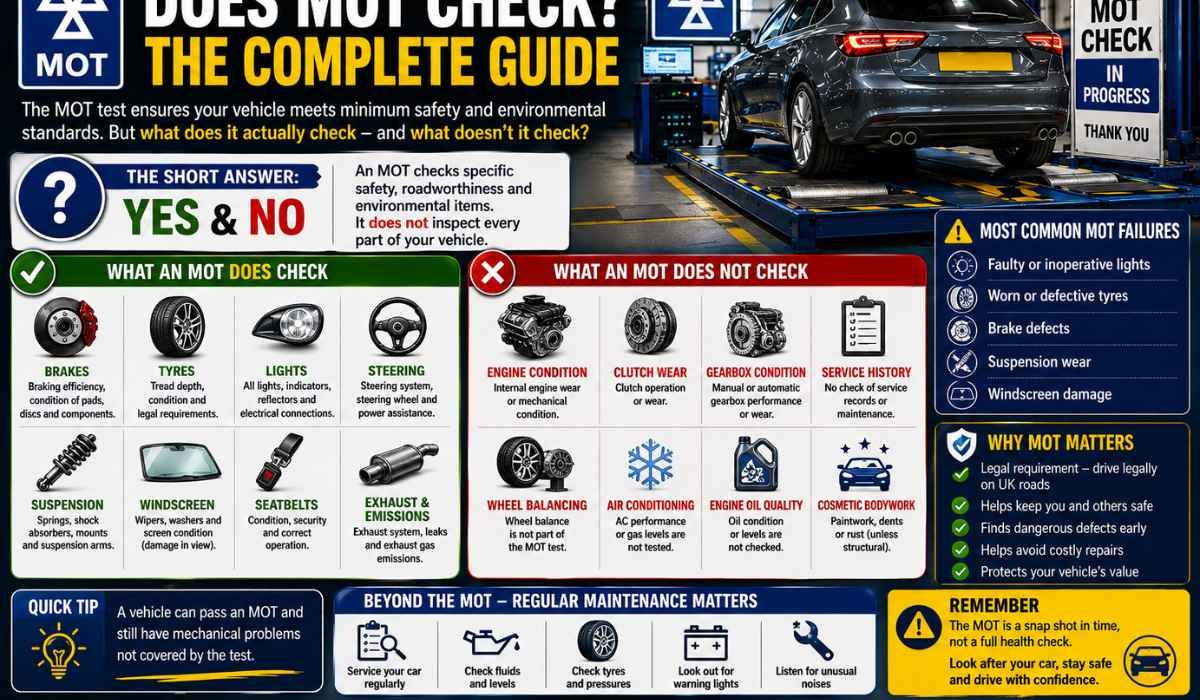
An MOT is a legally required examination for most vehicles over a specified age that are used on public roads in Great Britain. It checks whether a vehicle meets the minimum standards for safety, roadworthiness, and environmental performance. The examination is conducted by an authorised testing centre using official inspection procedures. It is not a complete mechanical inspection or a guarantee that a vehicle will remain reliable throughout the year. Instead, it provides an assessment of important components at the time of testing.
3. Why Is an MOT Important?
Vehicle safety is one of the main reasons for requiring regular inspections. Faulty brakes, damaged tyres, defective lights, and steering problems can create dangerous situations for drivers and other road users. Regular testing helps identify these problems before they become serious. It also encourages vehicle owners to maintain their cars responsibly. A valid certificate provides evidence that the vehicle met the required standards when examined, although drivers must continue maintaining their vehicles between inspections.
4. When Does a Vehicle Need Its First MOT?
Most cars, motorcycles, and light vehicles require their first examination when they reach three years old. The exact requirements depend on the vehicle category and its intended use. Certain vehicles, including taxis and some passenger vehicles, have different requirements and may need testing earlier. After the first examination, most privately used cars require another test every year. Owners should confirm the relevant deadline through official government information rather than relying on assumptions about vehicle age.
5. Understanding MOT Check Requirements
Before arranging an MOT check, drivers should understand the legal requirements applying to their vehicles. Most qualifying vehicles must have a valid certificate when used on public roads. The examination covers important safety-related components, including braking systems, tyres, lights, steering, suspension, and visibility. Vehicles must also meet applicable emissions standards. Requirements can differ according to vehicle class, age, and construction. Checking the vehicle’s registration details and previous testing history can help owners prepare properly.
6. What Happens During the Inspection?
During the examination, an authorised tester follows an official inspection procedure. The vehicle is assessed for visible defects and tested against specific standards. Depending on its category, the inspection may include equipment checks, braking performance, emissions testing, and examination of structural components. The tester records the results in the official system. If defects are identified, they are classified according to their seriousness. The final report explains whether the vehicle has passed or failed and identifies any additional issues.
7. Checking Brakes and Braking Performance
Brakes are among the most important safety components examined during vehicle testing. The tester checks the braking system for effectiveness, condition, and obvious defects. Components such as brake discs, pads, pipes, and hoses may be inspected where applicable. Uneven braking performance, fluid leaks, or damaged components can result in failure. Drivers should pay attention to unusual noises, vibrations, warning lights, and changes in pedal behaviour. Having suspected problems investigated before the appointment can improve safety and reduce unexpected repair expenses.
8. Tyres and Wheel Condition
Tyres play an essential role in maintaining grip, stability, and braking performance. During testing, their condition, tread depth, and general suitability are assessed. For most passenger cars, the legal minimum tread depth is 1.6mm across the central three-quarters of the tyre around its entire circumference. Serious cuts, exposed cords, bulges, and other dangerous damage can cause failure. Drivers should inspect their tyres regularly, check inflation pressures, and replace damaged or excessively worn tyres before they become unsafe.
9. Lights and Electrical Equipment
Vehicle lighting is another important inspection area. Headlights, brake lights, indicators, rear lights, registration plate lamps, and other required lighting equipment must function correctly. The tester also examines relevant electrical components and warning indicators. A broken bulb, damaged lens, incorrect headlight alignment, or electrical fault may lead to a failure. Before visiting a testing station, owners should ask someone to help check the lights while operating the relevant controls. Replacing a faulty bulb can be a simple way to prevent an avoidable problem.
10. Windscreen, Wipers, and Visibility
Clear visibility is essential for safe driving in different MOT weather conditions. The windscreen is examined for damage that could affect the driver’s view of the road. Wipers and washers are also checked to ensure they operate correctly. Large cracks, significant chips, damaged wiper blades, or an ineffective washing system may result in failure. Drivers should replace worn blades and make sure the washer reservoir contains suitable fluid. Keeping the windscreen clean and repairing damage promptly can make driving safer throughout the year.
11. Steering and Suspension Inspection
The steering and suspension systems help drivers control their vehicles and maintain contact between the tyres and road surface. During testing, relevant components are examined for excessive wear, damage, looseness, and other defects. Problems involving steering joints, springs, shock absorbers, or suspension mountings can affect vehicle stability. Unusual knocking noises, excessive bouncing, uneven tyre wear, and difficulty steering may indicate problems. Professional repairs should be arranged when these symptoms appear rather than waiting until the next scheduled examination.
12. Exhaust System and Emissions Testing
Vehicle emissions are important because excessive pollution can affect air quality and public health. Depending on the vehicle type, the tester may examine the exhaust system and measure emissions using approved equipment. Damaged exhaust components, leaks, excessive smoke, and emissions above permitted limits can lead to failure. Petrol and diesel vehicles are assessed according to their applicable standards. Regular servicing, appropriate maintenance, and addressing engine warning lights can help keep the emissions system operating correctly.
13. Seatbelts, Seats, and Vehicle Interior
Seatbelts are essential safety equipment and receive attention during the inspection. The tester checks relevant belts for damage, secure installation, and correct operation. Seats, their adjustment mechanisms, and applicable restraints may also be examined. A damaged belt, defective buckle, or insecure seat can create a serious safety problem. Drivers should check that every seatbelt fastens properly and retracts correctly. Any visible damage or unusual behaviour should be investigated by a qualified professional before the vehicle is used regularly.
14. Number Plates and Vehicle Identification
Registration plates and vehicle identification information help establish a vehicle’s identity. During the examination, the tester checks that required identification details are present, readable, and meet applicable standards. Plates should be securely attached and displayed correctly. Damaged, incorrectly formatted, obscured, or missing registration details may cause problems. Owners should also make sure the vehicle identification number can be located and read where required. Maintaining accurate vehicle identification information helps support legal compliance and prevents unnecessary testing complications.
15. How to Find Your MOT History
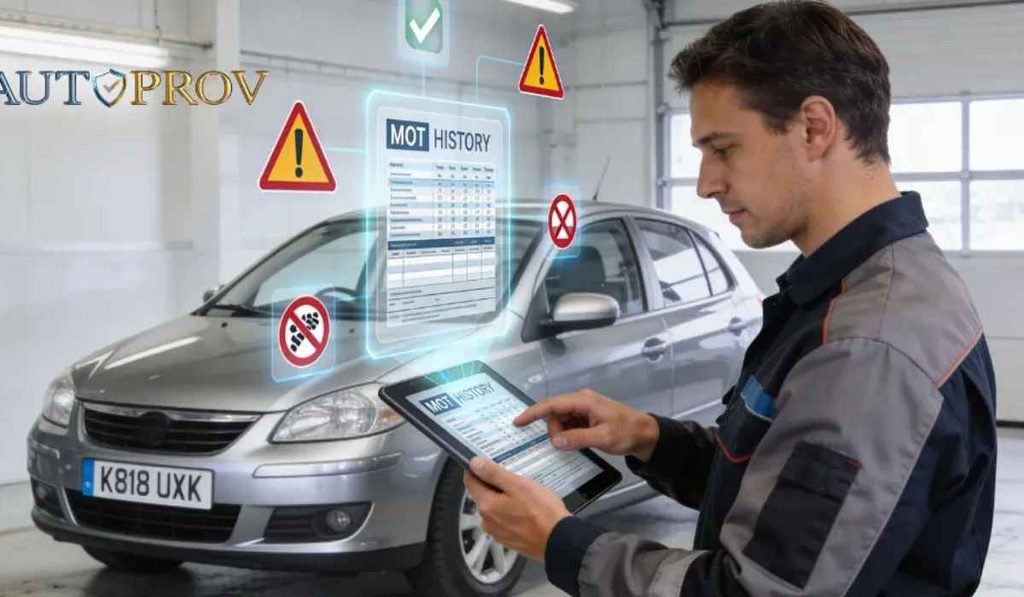
Checking previous test records can help buyers and existing owners understand a vehicle’s maintenance history. Official government services allow users to search using a registration number. Available information can include previous pass and fail results, recorded mileage, test dates, and reported defects. This information is especially useful when purchasing a second-hand vehicle. Reviewing historical results can reveal repeated problems, unexplained mileage changes, and neglected repairs. However, historical records should be considered alongside a physical inspection and other vehicle documents.
Official resource: https://www.gov.uk/check-mot-history
16. How to Check an MOT Expiry Date
Knowing the expiry date is essential because driving without the required valid certificate can lead to legal consequences. Owners can use the official government service to find the current expiry information by entering the vehicle registration number. It is sensible to arrange the next appointment before the existing certificate expires. In most circumstances, an MOT can be carried out up to one month minus one day before the expiry date while keeping the same renewal date for the following year.
17. MOT Check Online: A Simple Process
An online MOT check is a convenient way to access important vehicle information. Drivers can visit the official GOV.UK website, enter their registration number, and review the available records. The service helps users identify the current certificate status and examine previous test results. It can also be useful when comparing second-hand vehicles before purchasing one. Online information should always be obtained from reliable sources. Avoid websites that request unnecessary personal information or claim to provide official results without clear verification.
18. Common Reasons Vehicles Fail
Vehicles can fail for several reasons, ranging from minor maintenance problems to serious safety defects. Common examples include worn tyres, faulty lights, damaged brakes, excessive emissions, defective suspension, and windscreen damage. Some problems develop gradually, meaning drivers may not notice them during everyday journeys. Regular maintenance can help identify issues before the scheduled examination. Owners should also read previous advisory reports because they can highlight components that may deteriorate and require attention during the next testing period.
19. Understanding Major and Dangerous Defects
Inspection results classify defects according to their seriousness. Major defects cause a vehicle to fail because it does not meet the required standards. Dangerous defects represent a more serious risk to road safety. If dangerous defects are recorded, the vehicle must not be driven until the relevant problems have been repaired. Drivers should never ignore these classifications or assume that a vehicle is safe simply because it can still move. Professional repairs and the appropriate testing procedures are necessary before returning an unsafe vehicle to the road.
20. What Are Minor Defects and Advisories?
Minor defects are problems that do not cause an immediate test failure but should be monitored or repaired. Advisory notes identify issues that could become more serious in the future. Examples may include components showing early signs of wear or minor deterioration. Although these observations do not necessarily prevent a vehicle from passing, they should not be ignored. Keeping a record of advisories helps owners plan maintenance, avoid unexpected repairs, and maintain better vehicle condition between annual inspections.
21. How Much Does an MOT Cost?
The maximum permitted fee depends on the vehicle category. According to GOV.UK, the maximum fee for a standard car with up to eight passenger seats is £54.85, while a standard motorcycle costs up to £29.65. Testing stations may charge less than the permitted maximum. Some larger or specialised vehicles have different fee limits. Repair costs are separate from the statutory examination fee. Drivers should confirm the latest charges before booking because official fee information can change.
22. What Happens If Your Vehicle Fails?
If a vehicle fails, the testing station provides a report identifying the defects responsible for the result. The owner should arrange repairs through a suitable garage or qualified mechanic. Whether the vehicle can be driven away depends on the circumstances. If the existing certificate remains valid and no dangerous defects have been recorded, it may be possible to drive it away, provided it remains roadworthy. Otherwise, repairs must be completed before driving. The vehicle may then require a partial or full retest.
23. Understanding the Retest Process
A retest allows a vehicle to be examined again after the necessary repairs have been completed. The fee and procedure depend on where the repairs are carried out and when the vehicle returns. If the vehicle remains at the original testing station for repairs and is retested within ten working days, the partial retest is free. If it is taken elsewhere and returned within the qualifying period, a partial retest fee may apply. Other circumstances may require a full examination and payment of the applicable fee.
24. How to Prepare Your Vehicle Before Testing
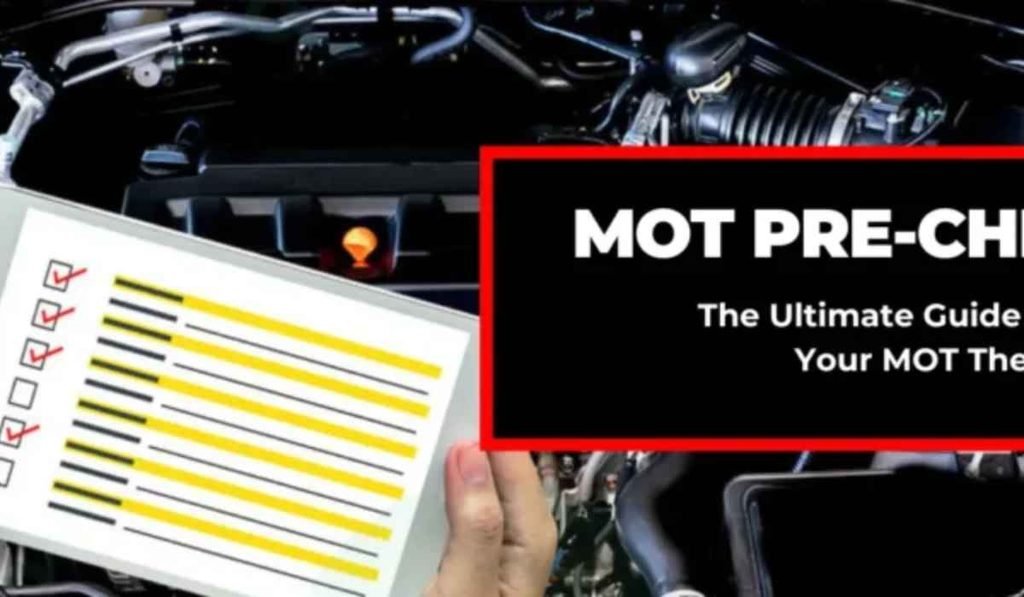
Preparation can reduce the likelihood of avoidable failures. Owners should inspect their tyres, lights, mirrors, wipers, number plates, and seatbelts before attending the appointment. It is also useful to check fluid levels, horn operation, dashboard warning lights, and the condition of visible bodywork. Remove unnecessary clutter that could prevent access to important components. If the vehicle has developed unusual noises or handling problems, arrange a professional inspection. Preparation does not guarantee a pass, but it can identify straightforward issues early.
25. Choosing an Authorised Testing Centre
Selecting an authorised testing centre is important because only approved facilities and testers can conduct official examinations under the relevant scheme. Drivers can search for suitable centres and compare their availability, customer reviews, and service options. A reputable garage should explain the results clearly and provide an itemised quotation for any recommended repairs. Avoid choosing a provider based only on the cheapest advertised price. Good communication, proper qualifications, and transparent charges are important when deciding where to take a vehicle.
26. How Often Should You Service Your Vehicle?
An annual statutory examination should not replace routine vehicle servicing. Servicing focuses on maintenance tasks that help keep the engine and other systems operating reliably. Depending on the manufacturer’s recommendations, this may include changing engine oil, replacing filters, checking fluids, inspecting brakes, and examining other mechanical components. Service intervals differ between vehicles and driving conditions. Following the manufacturer’s maintenance schedule can help reduce wear, improve reliability, and identify problems before they become expensive repairs.
27. Buying a Second-Hand Vehicle
Checking a vehicle’s testing history is a valuable step when purchasing a used car. Previous failures, mileage records, and advisory notices can provide useful information about its condition. However, a valid certificate does not prove that every component is mechanically perfect. Buyers should inspect service records, ownership documents, vehicle identification details, and evidence of repairs. An independent mechanical inspection is also recommended when purchasing an expensive or older vehicle. Combining these checks can help buyers make more informed decisions.
28. Can You Drive Without a Valid MOT?
Most vehicles that require an MOT must have a valid certificate before being driven on public roads. There are limited legal exceptions, including travelling to a pre-arranged testing appointment or to a location where repairs are being carried out after a failure, subject to roadworthiness requirements. These exceptions do not allow drivers to operate an unsafe vehicle. Driving without the required certificate can result in penalties and insurance complications. Owners should arrange testing before expiry rather than relying on exceptions.
29. Penalties for Driving Without an MOT
Driving a vehicle without a required valid certificate can result in a fine of up to £1,000. More serious consequences can apply when the vehicle has dangerous defects. Driving a vehicle that has failed because of a dangerous problem can lead to a fine of up to £2,500, a driving ban, and three penalty points. These penalties demonstrate why maintaining a valid certificate and addressing serious defects are important responsibilities for every eligible vehicle owner.
30. MOT Requirements for Electric Vehicles
Electric vehicles also require statutory examinations when they reach the relevant age. Although they do not have conventional petrol or diesel engines, they still contain important safety components that must be assessed. These include brakes, tyres, steering, suspension, lights, seatbelts, and other applicable equipment. The inspection considers the vehicle’s construction and relevant safety requirements. Owners should also maintain charging equipment and high-voltage components according to manufacturer guidance. Electric power does not remove the legal requirement for an applicable roadworthiness examination.
31. MOT Requirements for Diesel and Petrol Cars
Petrol and diesel vehicles are examined according to their relevant construction and emissions standards. Petrol vehicles may undergo an emissions test that measures exhaust gases, while diesel vehicles are assessed using applicable smoke-emission procedures. The exact requirements can depend on vehicle age, engine type, and other characteristics. Regular servicing and addressing engine management warnings can help prevent emissions-related problems. Drivers should not attempt to hide faults or modify emissions equipment to obtain a passing result.
32. Common Myths About Vehicle Testing
Several misunderstandings surround statutory vehicle examinations. One common myth is that passing means a vehicle is guaranteed to remain safe for twelve months. In reality, the result only describes its condition at the time of testing. Another misconception is that an advisory can be ignored indefinitely. Components may deteriorate quickly, especially when vehicles are driven frequently. Understanding the purpose and limitations of the examination helps motorists make responsible decisions about maintenance and road safety.
33. Benefits of Checking Records Before Buying
Historical records can help buyers understand how a vehicle has performed during previous examinations. Repeated failures involving the same components may suggest that repairs were incomplete or that maintenance has been neglected. Mileage information can also help buyers identify inconsistencies that deserve further investigation. Nevertheless, online records cannot replace an independent inspection. A professional assessment can reveal mechanical problems that may not appear in historical testing information. Using both approaches provides a stronger foundation for making a purchasing decision.
34. Digital Tools and the Future of Vehicle Testing
Digital services have made vehicle information easier to access. Motorists can now review important records, monitor expiry dates, and find testing centres using online platforms. These tools save time and make it easier to plan maintenance. Vehicle technology is also changing, with electric powertrains, advanced driver assistance systems, and connected equipment becoming increasingly common. Testing procedures must continue adapting to relevant safety and environmental requirements. Reliable government information will remain important as vehicle technology develops.
35. Practical Tips for Maintaining Roadworthiness
Good maintenance involves paying attention to small changes before they become major problems. Drivers should listen for unusual noises, monitor dashboard warnings, inspect tyres, and check that all lights function properly. Fluid leaks, steering changes, unusual vibrations, and reduced braking performance should be investigated promptly. Keeping service records and following manufacturer recommendations can also support better maintenance planning. A proactive approach protects passengers, other road users, and the vehicle owner’s investment.
36. Final Thoughts on MOT Check
Understanding the requirements of an MOT check helps motorists remain informed, responsible, and prepared. Regular inspections support road safety by identifying defects that could affect vehicle performance and environmental standards. However, passing an examination should never replace routine servicing or responsible driving habits. Owners should monitor expiry dates, review previous results, repair advisory issues, and use authorised testing facilities. For further background about the history and purpose of vehicle testing, readers can explore the related Wikipedia article: https://en.wikipedia.org/wiki/Vehicle_inspection. Combining reliable information with regular maintenance is a practical way to keep vehicles safe and legally compliant.
Frequently Asked Questions
1. What does an MOT test check?
- It examines important vehicle components, including brakes, tyres, lights, steering, suspension, visibility, and applicable emissions standards.
2. When does a new car need its first MOT?
- Most cars require their first examination when they reach three years old.
3. How much does an MOT cost in the UK?
- The maximum fee for a standard car is £54.85, although individual testing centres may charge less.
4. Can I drive my car after it fails?
- You may be able to drive it away if its existing certificate remains valid and no dangerous defects have been recorded, provided it remains roadworthy.
5. Where can I check my vehicle’s MOT history?
- You can use the official GOV.UK service at https://www.gov.uk/check-mot-history by entering your registration number.